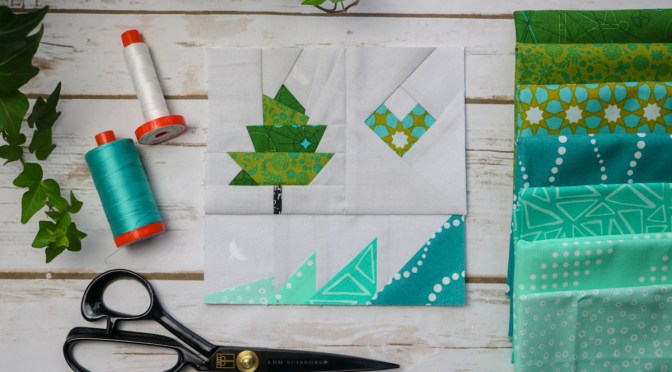
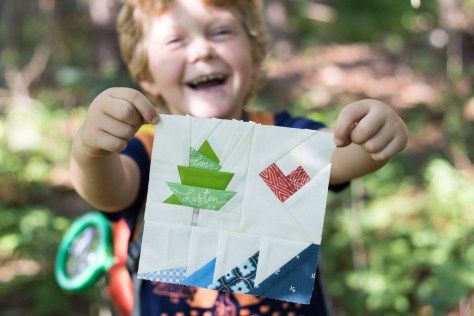
 Today I’m excited to reveal the block I designed for the Splendid Sampler 2 book: Adventure Abounds, found on page 122. Those of you who know me are most likely not surprised by this block one bit! For those of you who are new, welcome! I’m Kitty Wilkin, aka Night Quilter, and I’m so glad you’re here! I am a full time mom of three kiddos in rural Maine, but I’m also a pattern designer (EPP, FPP, traditional piecing–I love it all!), quilt and product photographer, teacher, social media manager for the Quilter’s Planner, AND an avid fussy cutter, which I prefer to call meticulous cutting. I’m often inspired by the natural world around me, and when Pat and Jane asked me to design a block reflecting my best quilty life, I knew it had to include family adventures in nature tied together through the creation of a quilt. With strong influence from my Summer Adventure quilt pattern, this block has a bit of everything–sea, trees, and lots of love!
If you’re new to the Splendid Sampler books curated by Pat Sloan and Jane Davidson, find out more about the Splendid Sampler 2 book and sew along HERE.
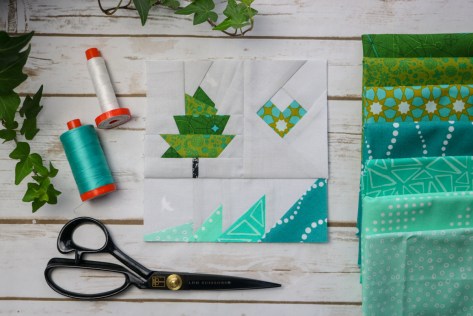 Today I am going to share 3 tips for using fussy cutting in foundation paper pieced blocks, using my Adventure Abounds block from the Splendid Sampler 2 book. If you’re new to foundation paper piecing (FPP), read my beginner basics FPP tutorial HERE first to make sure you know all of the key components and basic tips. Then let’s dive in!
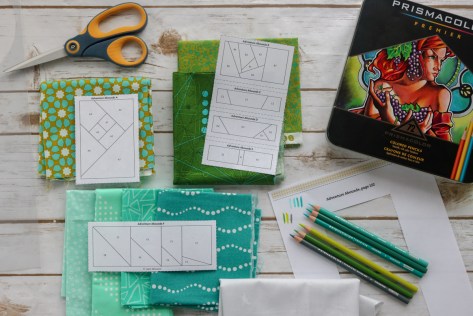 There are a few things you should remember before beginning FPP: First, the templates are a mirror image of the finished block, so when planning your fabric placement, visualize the right side of your fabric on the back of the template. Second, I highly recommend color coding your paper templates before starting so that you know exactly where each fabric should be. Third, don’t forget to use paper scissors to cut out and trim the templates! Your fabric scissors don’t want to go there!
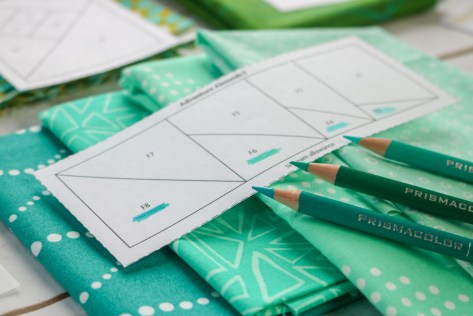 Once your fabrics are selected, your templates are cut out along the 1/4″ seam allowance line and color coded, you’re ready to dive in. Here are three tips for using fussy cutting in FPP:
1. Place your fussy cut on piece 1
One of the easiest ways to use fussy cutting with FPP is to position your fussy cut fabric on the very first piece placed. With this method, simply hold your fabric up to a light source on the wrong side of the paper template, aligning the fabric motif you want to feature. Use a little dab of washable glue stick to hold it in place, and then continue piecing the rest of the block as you normally would. Your fussy cut can be perfectly positioned with very little effort. Depending on the block you’re creating, even this little use of fussy cutting can create quite an impact.
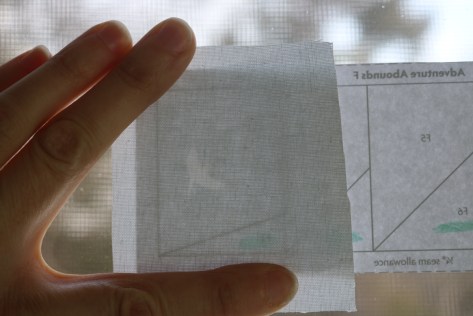 As an example of this for my Adventure Abounds block, I decided to position a subtle bird in the sky above the ocean, and held it up to a window to make sure it was positioned exactly how I wanted it. With a white on white background for my blocks, this example is subtle, but sometimes those subtle details are my favorite!
2. Create templates
Another way to make fussy cutting a bit easier while foundation paper piecing is to create a template for the pieces you wish to meticulously cut. You can use template plastic for this, or can even repurpose clear plastic lids to food containers. You want to use something that you can see through or at least trace through using a light source.
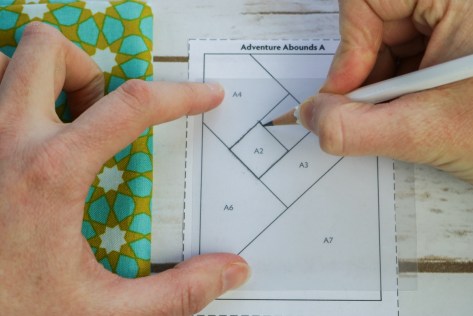 To create a template, first trace the shape from the paper foundation template onto the plastic. Be sure to label your piece, AND make note of directionality since the paper template is a mirror image.
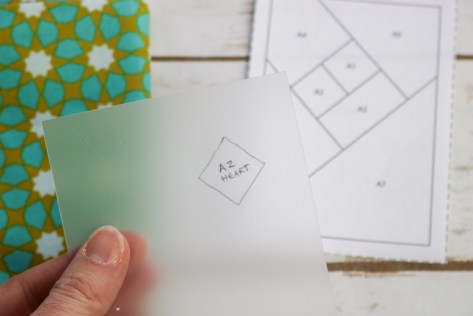 Once I trace the shape, I flip over the template plastic and write my notes on the opposite side, so that when I cut the fabric for that piece, I know that my notes should be legible on the right side of the fabric.
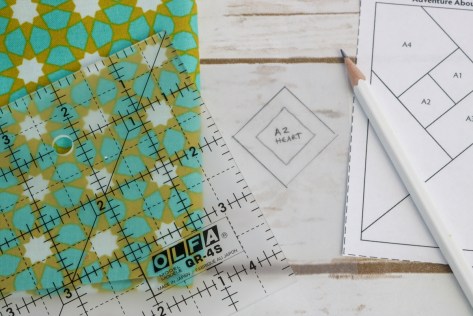 Next, using a quilting ruler with 1/4″ measure, draw seam lines 1/4″ outside all the edges of your drawn lines.
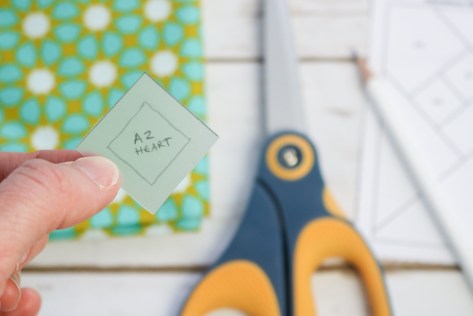 Cut out the template along that seam allowance line.
Repeat for all of the shapes you want to fussy cut. You can use the clear templates to be sure you’re cutting your fabric piece exactly as you want it. Note that you will want to use all of the tips outlined in this tutorial when piecing so that the perfectly cut piece of fabric gets sewn in exactly how you want it.
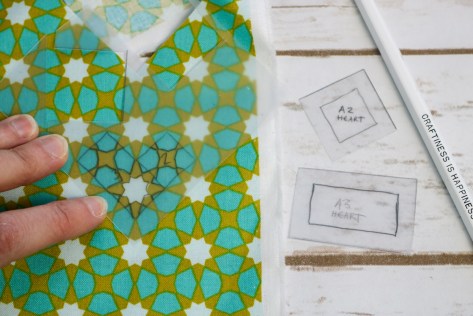 For my block, I decided to fussy cut the heart so that the fabrics for the two pieces of the heart look continuous despite consisting of two fabric pieces. I decided to make a third reference template of the full heart and traced the pattern from the fabric onto the template, which I used as a reference when cutting out each individual part.
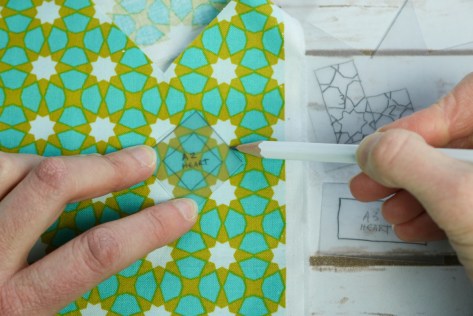 Once you have your template positioned over the exact motif you want, carefully trace around the template with a fabric marking tool and cut out the fabric, or very carefully use a rotary cutter to cut around the template. Note that with planning templates made with template plastic or repurposed food lids, using your rotary cutter contains a good level of danger–so either purposefully live on the wild side, or use the trace and cut-with-scissors method!
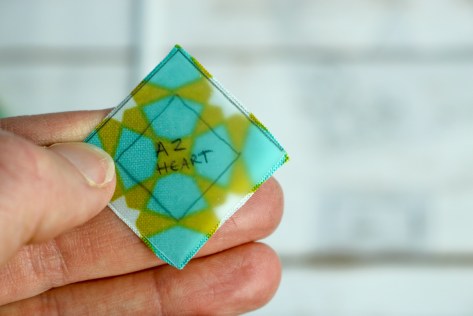 Your perfectly planned fabric piece is ready to carefully stitch onto your growing foundation paper pieced section.
Because this piecing is quite meticulous, you’ll want to be sure to align this next piece perfectly before stitching.
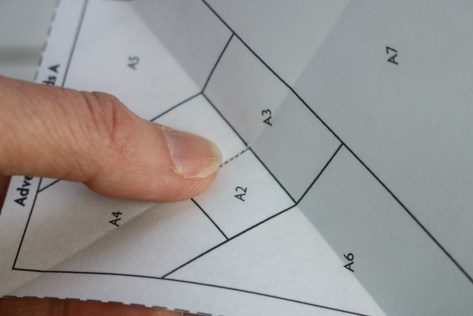
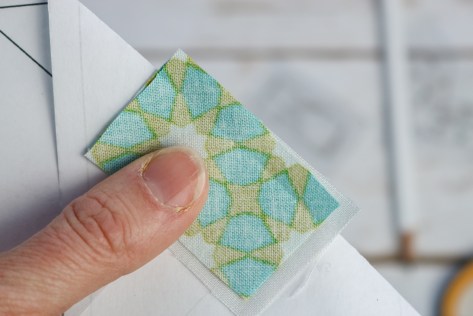 Folding along the seam on which you are about to stitch and trimming the overhanging fabric to 1/4″ will help you line up the next piece accurately.
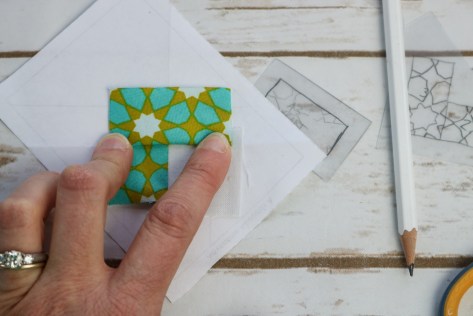 You can also fold over the piece you are about to stitch along the seam line to see how it looks before actually stitching.
Note that meticulous cutting is exactly that–meticulous. Be sure to be meticulous in all phases of this process to get the best results. Also, be gentle with yourself. This is not easy! Use a stitch length that you are comfortable ripping out if needed to get those first fabrics lined up. I give myself a Rule of 3 when stitching any block: I’m allowed to use my seam ripper to rip out progress and make it align better 3 times during the stitching process for any block. Once I hit my 3 times, I need to just accept the imperfections and move on. We are human, after all. But don’t be afraid to try! As with anything, the more you practice, the easier it will get.
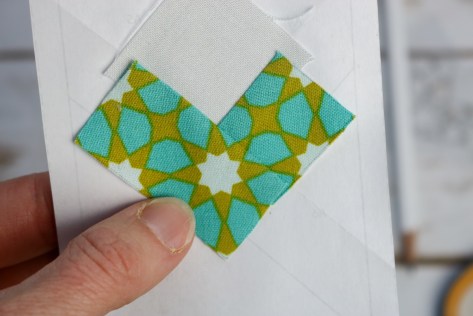 Once your fussy cut pieces are cut and stitched as desired, continue piecing your non-fussy cut pieces as you would any other FPP block.
3. Focus on the joining seam
A third tool to use while fussy cutting in FPP is to pay close attention to the edge of the motif you want to feature. This works particularly well for lining up directional prints along the seam line, or for less precise fussy cuts.
This method is used for any piece AFTER the first piece placed. If your fussy cut is the first piece, use Tip 1!
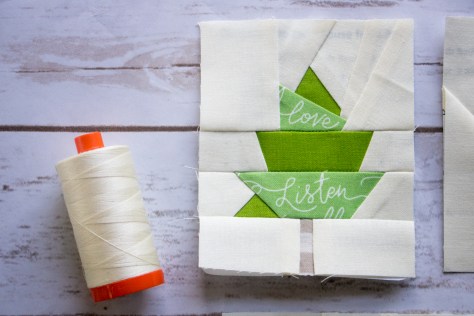 In the Adventure Abounds block I made for the original Splendid Sampler 2 quilt, I used this tip when piecing the text on the tree, specifically the word “love”, since the word “listen” was the first piece placed, and was therefore easy to simply glue in place and piece around. Knowing that I wanted the top of the word love to be juuust below that darker top piece, when I cut the square of fabric I carefully cut just a tad bit more than 1/4″ from that top edge of the word love. I left the rest of the rectangle of fabric a bit larger and less specific, since as long as that edge lined up properly, the rest didn’t matter.
With the Adventure Abounds block I’m making for my own Splendid Sampler 2 quilt, I am not using as finicky or directional of fabric for the tree, so there is no need for fussy cutting. However, I wanted to control the directionality of the fabric in a few of the waves, so that the dots on the Cotton and Steel basics and the wavy paths on the bike path fabric by Alison Glass ran parallel to the seam line. The piece is not the first one placed, so I couldn’t use Tip 1. All I want to control is the directionality of the fabric, so making a template seems like more work than is necessary. Enter Tip 3: Focus on the joining seam.
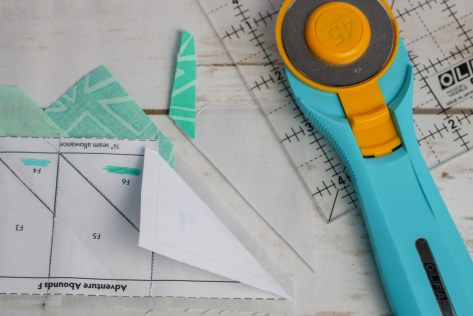 Whenever employing any type of meticulous cutting in your FPP, it’s always a good idea to trim your 1/4″ seam allowance before positioning and stitching your fussy cut shape. To do this, simply fold back the foundation paper along the line you are about to sew on, and using a quilting ruler with 1/4″ measure, trim the fabric 1/4″ away from the fold. (Obviously use a cutting mat underneath! This photo shows without the mat for aesthetic consistency). Once your fabric is trimmed, you have a clean line with which to line up your next meticulously placed piece.
This also helps facilitate another key FPP tip, which I originally learned from Lee Heinrich of Freshly Pieced, and which has saved me countless brain-scruntches trying to be sure a fabric piece would align properly on wonky angles in FPP.
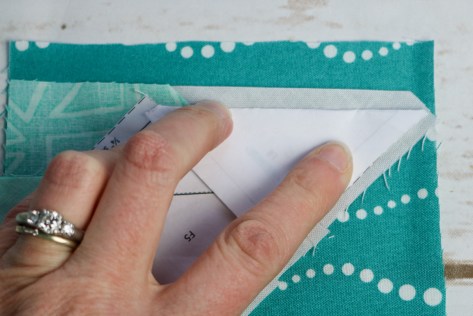 When your paper is folded along the seam-to-be-sewn, you can place it on your next fabric (right side up) and the paper shape as folded will be exactly on top of the fabric that will end up in that space once you sew along the line. Be sure to visit Lee’s tutorial for a perfectly clear and in depth explanation–it’s truly life changing when it comes to FPP!
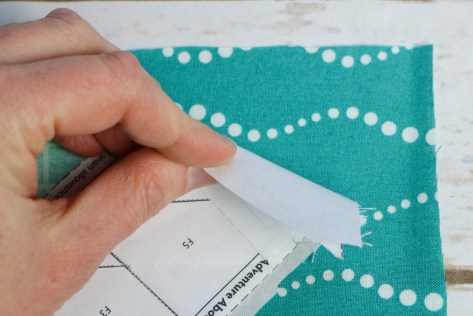 What that means for us is that with that clear 1/4″ seam line showing us the direction we want our print to go, simply lining up the folded seam line with the directional print will ensure the pattern runs in exactly the direction we want. Fold up the edge a bit to peek under and make sure the pattern is positioned the way you want it, then without changing the position of the fabric, fold the paper back up and sew along the line.
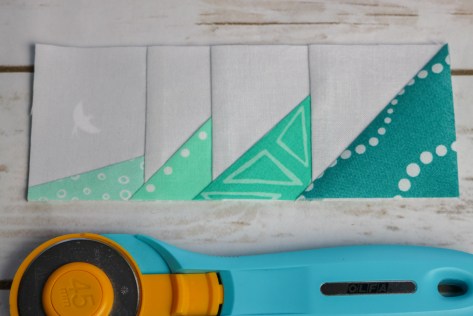 You will end up with your directional fabric meticulously positioned along the seam line, just how you wanted it. Paired with that fun bird flying over the ocean that we placed using Tip 1, these tips can help take your foundation paper piecing blocks to a whole new, intentional level.
Here’s the block I made for my slowly growing Splendid Sampler 2 quilt, about which I’ll show you more soon! I’m creating monochromatic blocks and using an alternate rainbow layout I sketched out in my Quilter’s Planner. This Adventure Abounds block will be positioned in the teal row, but as you can see, it is transitioning to the green. I made a compromise from my monochromatic-rule for this block, since I make the rules around here anyway! ha!
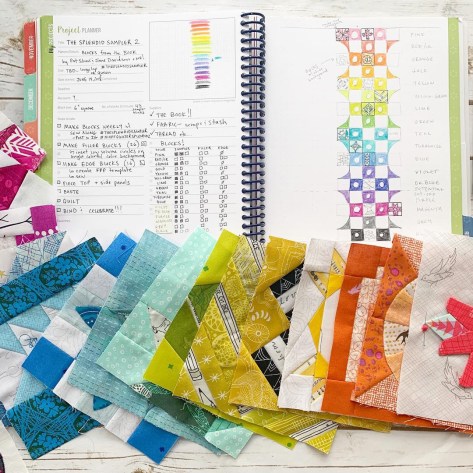 Okay, just one peek at my planned layout and a few of my blocks so far. A full look will come in its own blog post soon, so be sure to follow this space!
Thank you so much for joining me today–I hope this tutorial is helpful and entices some new fussy cutters to try adding some meticulous cutting to their foundation paper piecing! Please show me what you’re making and either comment with a photo, or tag me on social media @nightquilter . Most of all, have fun!!
If you’re sewing along with the Splendid Sampler 2 excitement, be sure to head over to the Splendid Sampler website, and post your completed Adventure Abounds block. There is a fun Martingale book giveaway for one lucky person picked from the blocks shared on their website.
Have fun with your Adventure Abounds block, and may your adventures abound!
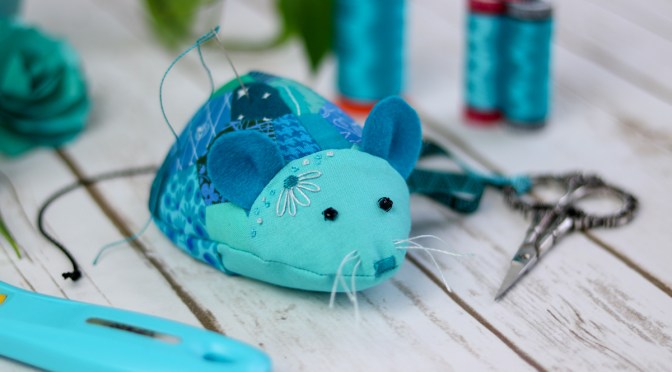
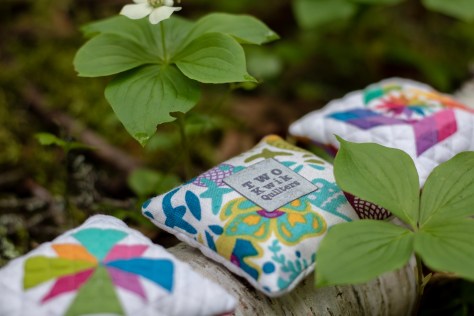
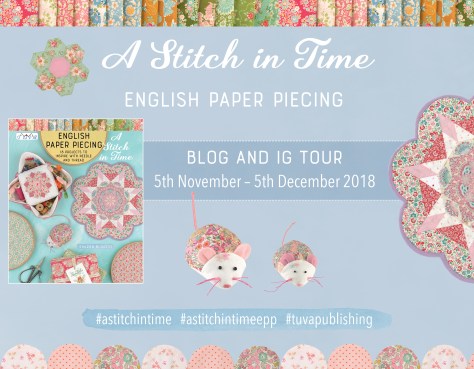 A few months ago when Sharon asked me to be a part of her book tour, I didn’t hesitate to say yes. I had made Sharon’s block for the Splendid Sampler 2 and loved it, and English Paper Piecing (EPP) is quickly becoming my go-to style of quilting because of its portability and versatility. A Stitch in Time is a fun book including 18 small projects that combine EPP with vintage linens, embroidery, appliqué, patchwork and quilting. It’s a great resource for hand-stitched gifts that won’t require a year’s worth of stitching.
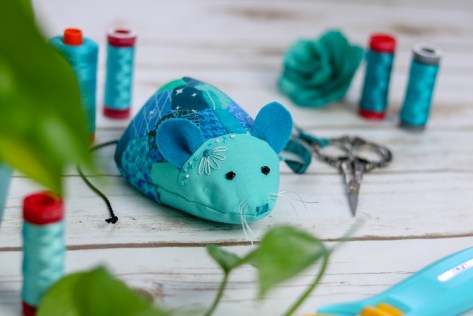 As I flipped through the beautiful book trying to decide what project to make, I fell in love with the mousie pincushions immediately. I opted to make the larger of the two, and thus my Mummy Rosie came to be.
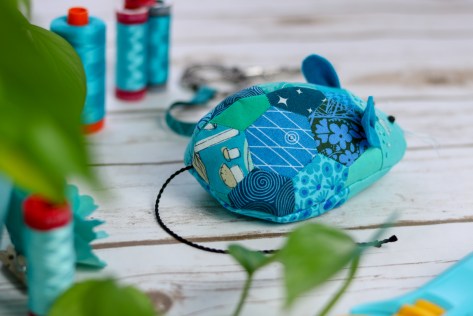 I used a bunch of turquoise/teal scraps to piece Rosie’s back, and realized that this project would make SUCH a great scrap buster. I might just start making 3/4″ hexies and throwing them in a jar to make mousies!
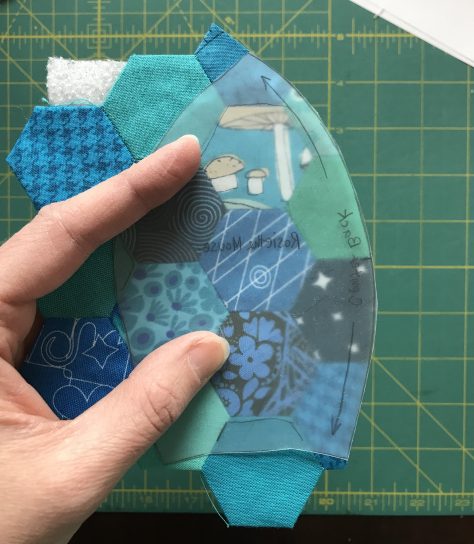 Any project that involves cutting through a hand-stitched panel always is painful, but I forged ahead with gritted teeth and it was worth the pain of trimming. As you can see, I marked the template plastic with guides around some of the hexies so that when I cut each panel, they would be symmetrical. It worked well!
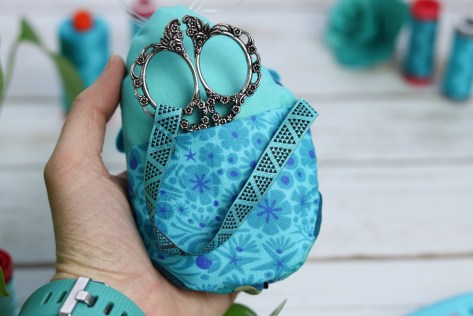 I love how so many of the projects in Sharon’s book include little embellishments with embroidery, cute ribbon, and vintage lace. Rosie not only has a scissor pocket on the bottom, which makes use of a pretty coordinating ribbon I bought from my local quilt shop
 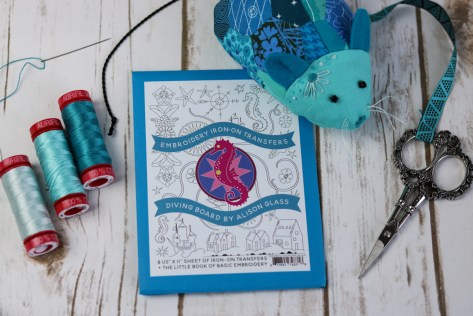 I decided to pull out the
 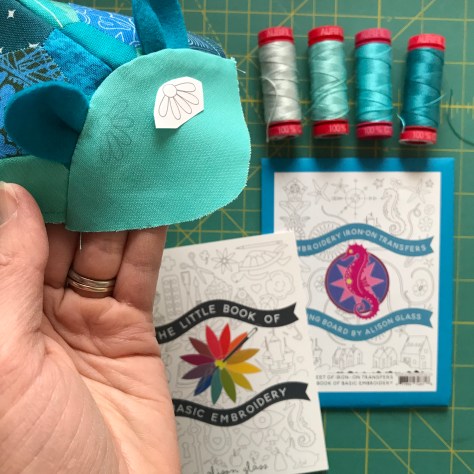 Here’s a peek at the process. You can see how well the lines transfer onto the fabric. It’s reallllly easy to use, too. I used a selection of
 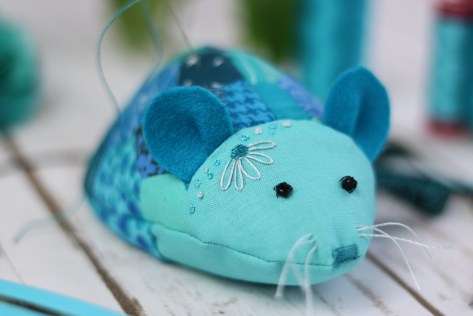 I think it’s a good look, don’t you?
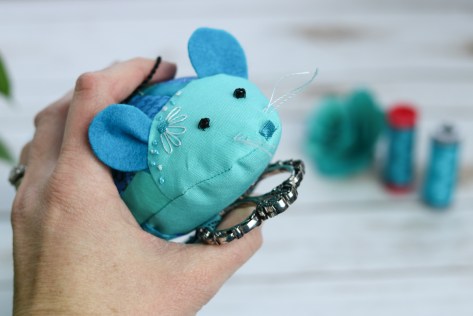 The pattern calls for attaching 2 1/2″ scissors, but I opted to attach my 4″
 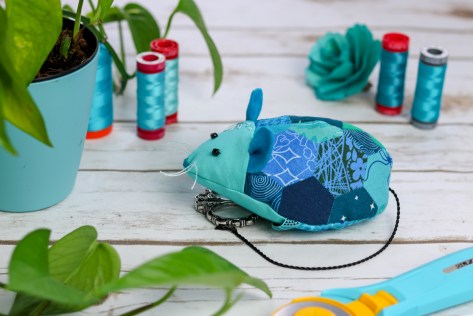 Rosie’s ready for action, don’t you think?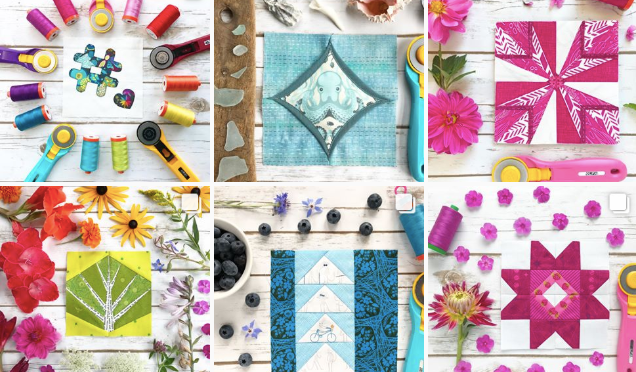
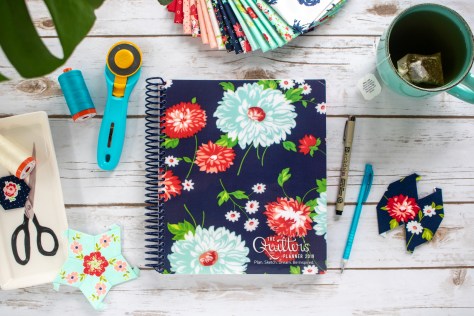 Once again I was honored to have the task of doing the quilt photography for the
  This year, we were definitely a lot more relaxed and peaceful during the photoshoots, which I’m sure Garrett appreciated!
 With projects photographed all through Maine, next year’s planner is sure to inspire, and if you haven’t ordered yours yet, I definitely recommend doing so! As an added bonus (and added irons on the fire) I also contributed a pattern to the
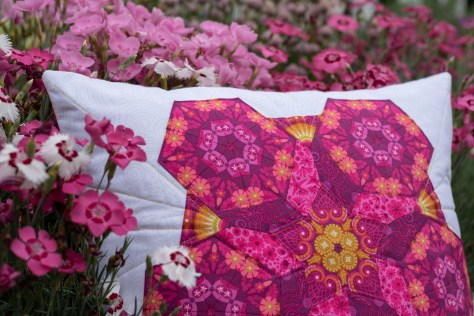
 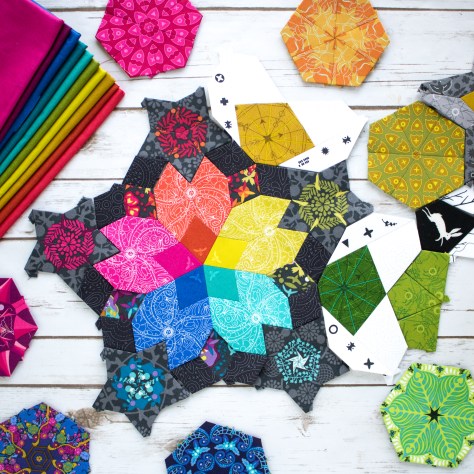 Perhaps the most exciting and monumental project I tackled over the course of the summer was the design of my very first English Paper Piecing pattern with
 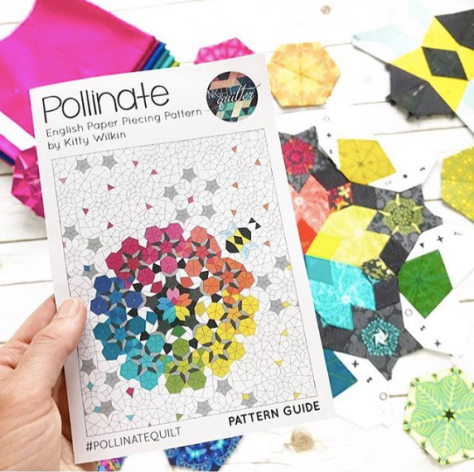 Perfect for both beginner and experienced EPPers alike, Pollinate is a diverse pattern that has endless possibilities for design and color play. Plus, the “filler” sections look like bees!! You can see the many different Pollinate quilts taking shape on Instagram by checking out the
  This summer I was honored to work with
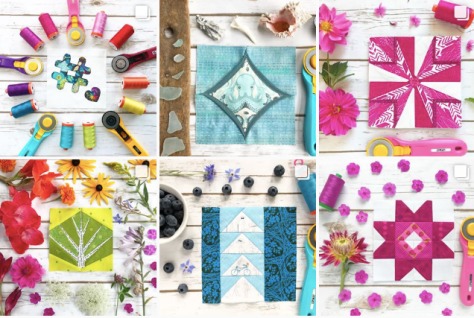
 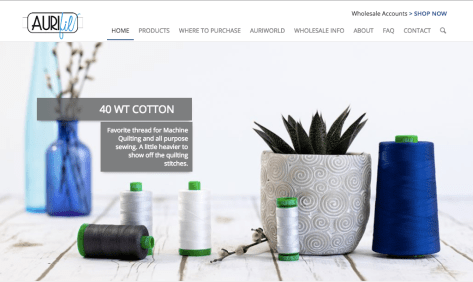 I photographed all 9 different weights of thread offered by Aurifil in a variety of stagings, and truly enjoyed the process. You can scroll through the photos on the top of the Aurifil Thread website to see a selection of my photos, and I’ve included a couple of my favorites here. There’s also a fun interview with me on the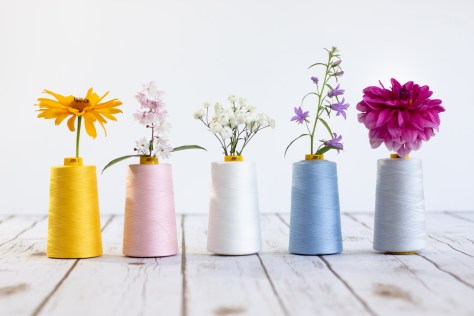
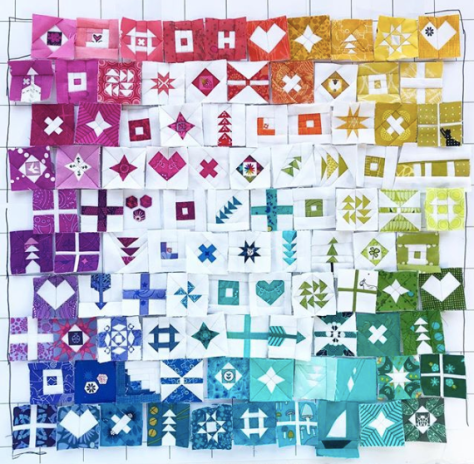 This summer I also tackled the
  I’m excited to be one of the
  Here is a screenshot showing some of the blocks I’ve made so far. You can see all of them on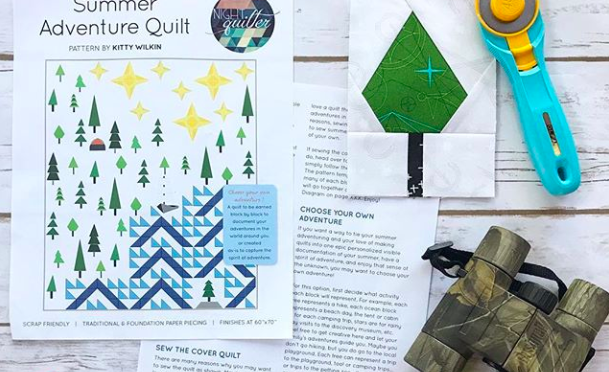
 I also created a Facebook group called
  You probably remember the improv, make-it-up-as-I-go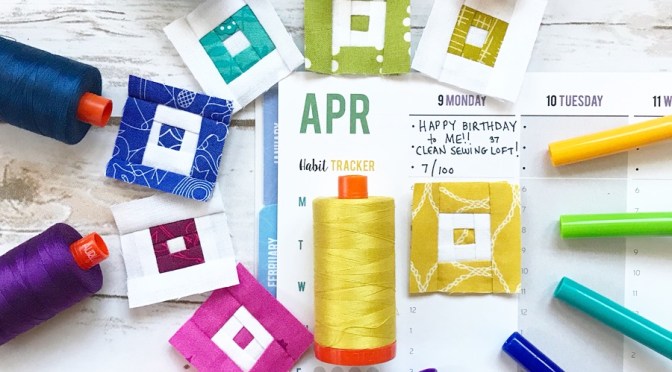
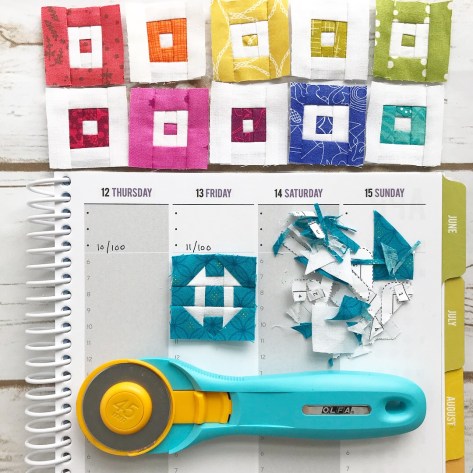 I’m officially 11 days into
 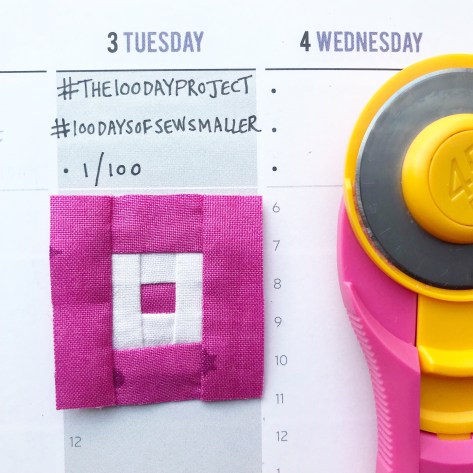 1/100
1/100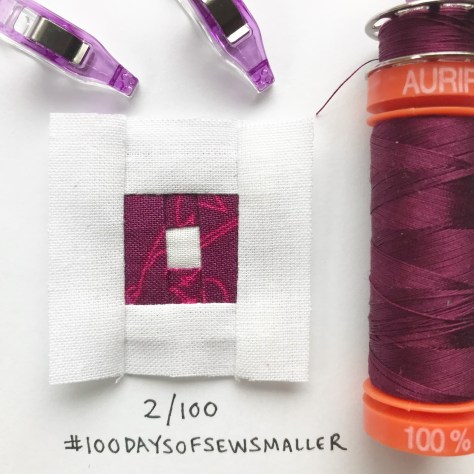 2/100
2/100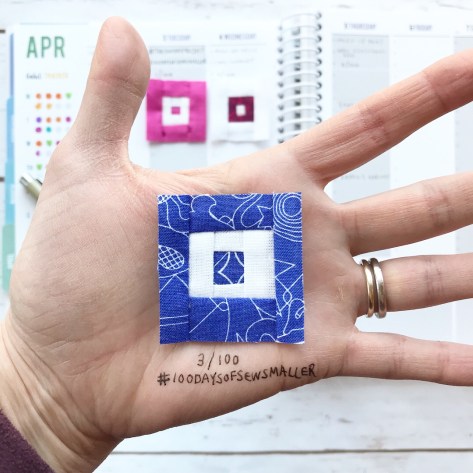 3/100
3/100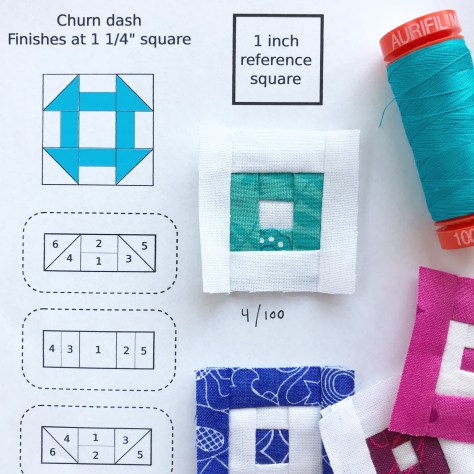 4/100 (which was also the day when I created a foundation paper pieced template for my day 11 block. I didn’t sew that one until today, but the idea was born on day 4!
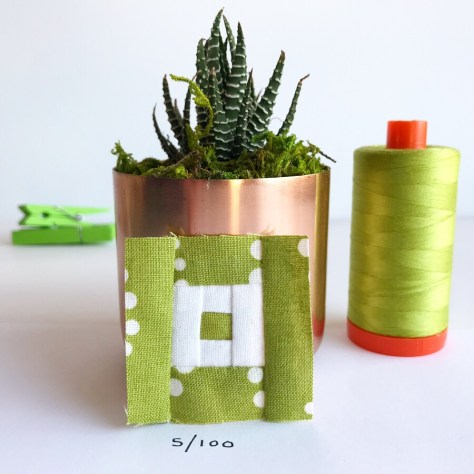 5/100
5/100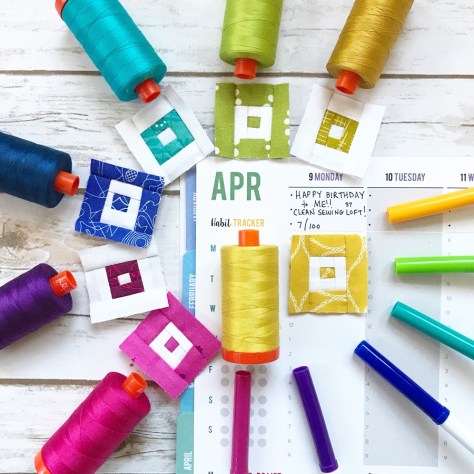 6 & 7/100 – Day 6 was the day of my daughter’s First Communion & Confirmation and my family was visiting all weekend, so I got a self-granted “bye” on posting. I caught up on my birthday, day 7!
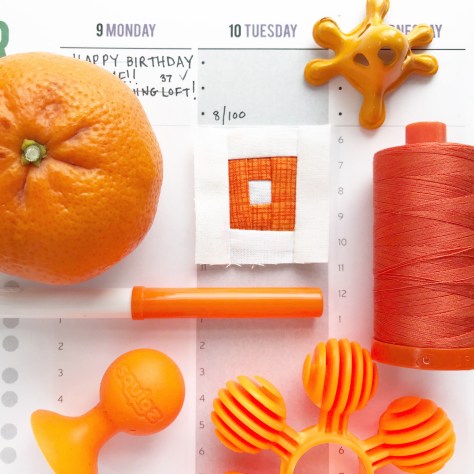 8/100
8/100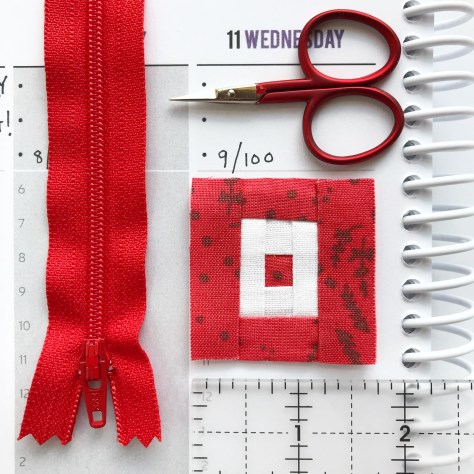 9/100
9/100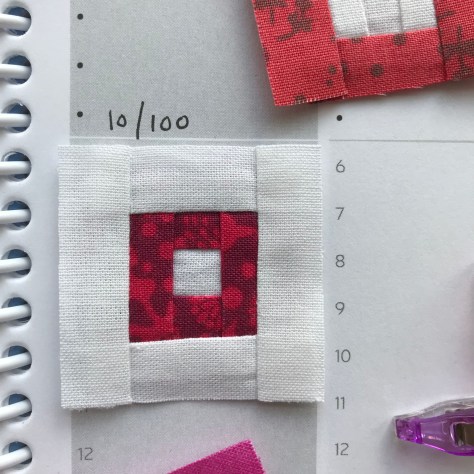 10/100
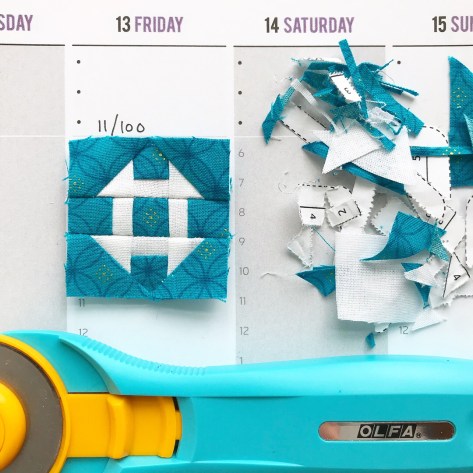 11/100
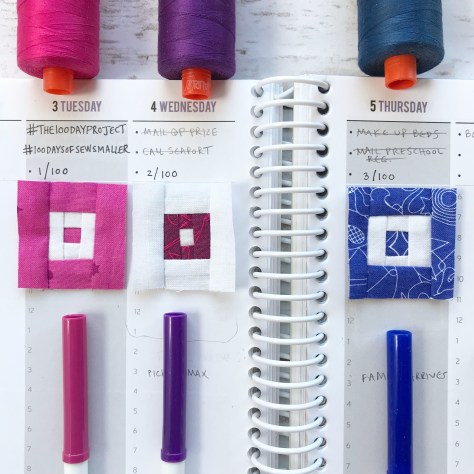 Days 1-3
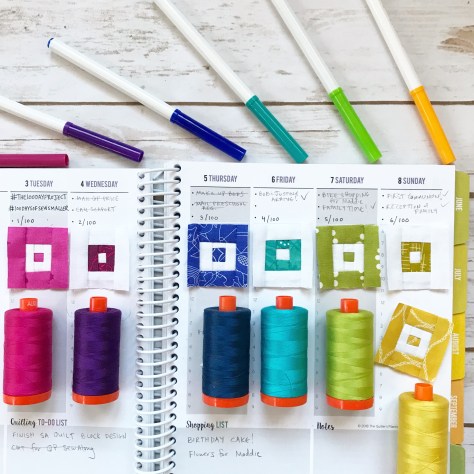 The first week of blocks
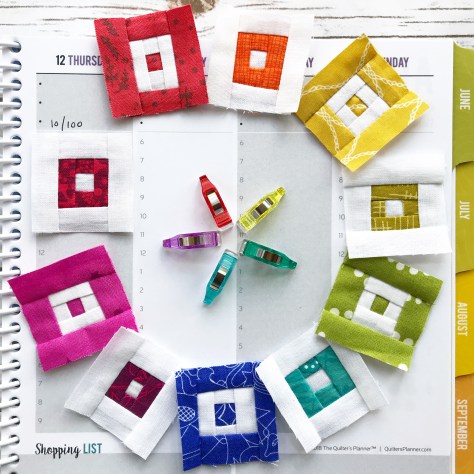 The first 10 days
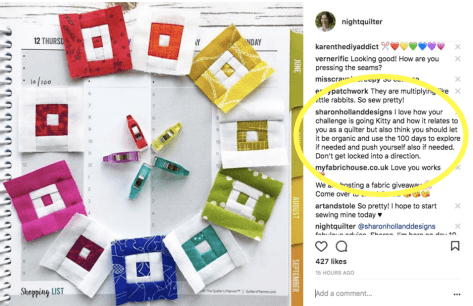 I love how your challenge is going Kitty and how it relates to you as a quilter but also think you should let it be organic and use the 100 days to explore if needed and push yourself also if needed. Don’t get locked into a direction.
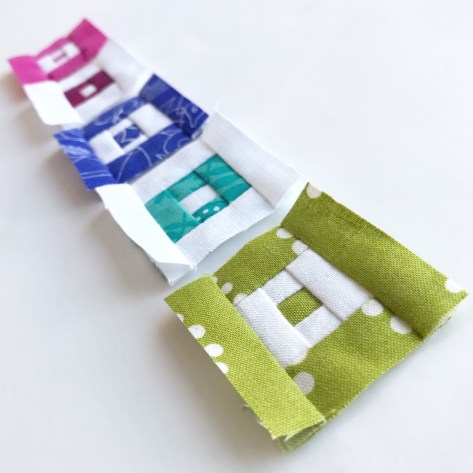 I’ve worked ahead twice (once when my entire family was visiting for the weekend for my daughter’s First Communion, and once today since I know weekends are often filled with family time and not necessarily sewing time), but have stuck with the block per day format.
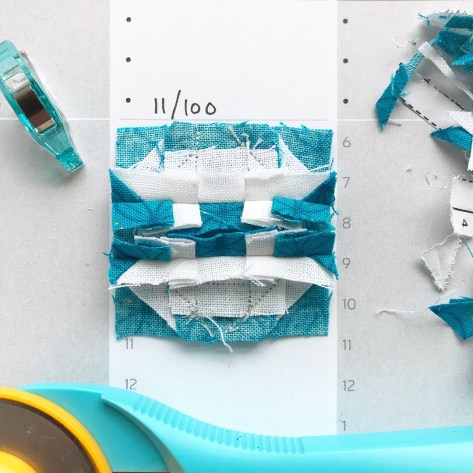 I’ll leave you with a cheeky peek at the backside of my latest block, since one of the big questions I’ve gotten so far over on Instagram is “How big is your seam allowance?”. My answer: 1/4″ seam allowance, just like always. Note that so far I’ve created blocks with mostly straight joins, and I might scale a few seam allowances down to 1/8″ to decrease bulk as I experiment further, but for the most part, the 1/4″ seam works just fine!
 I’m excited to share that I was invited to contribute a block to The Splendid Sampler 2 party, and I happily obliged! There are still a lot of unrevealed details around this splendid sequel, so I can’t tell you anything else about my block, but I am excited to get started sewing along!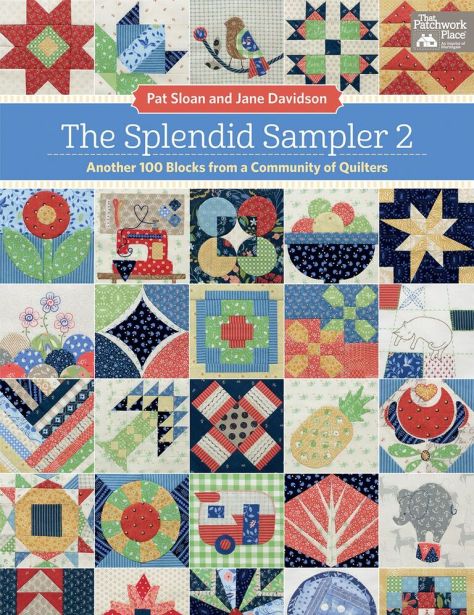
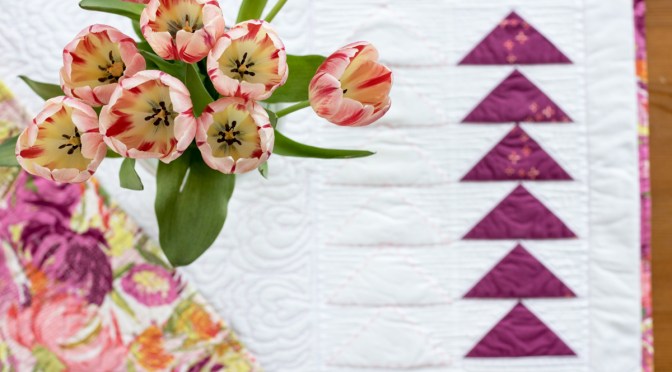
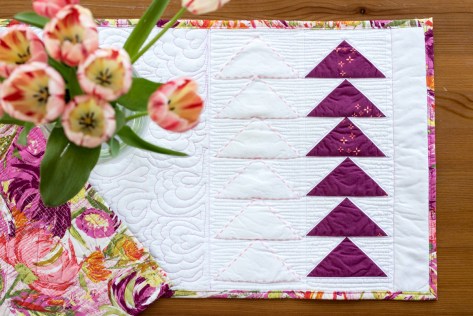 This post is a sponsored conversation written by me on behalf of Cricut. All opinions and text are my own. This Flying Geese Table Runner includes both traditional piecing and embroidery or hand quilting. If you don’t have a Cricut Maker, I’ve included cutting instructions and a pdf as well, so anyone can make it!
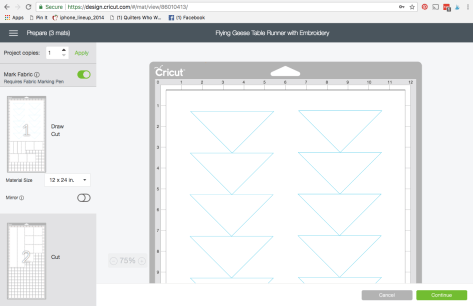 Prepare your mats as instructed, smoothly spreading your fabric onto your 12″x24″ FabricGrip mat. The Cricut Maker will lead you through the entire process, so simply follow the screen instructions and let the Cricut Maker work its magic!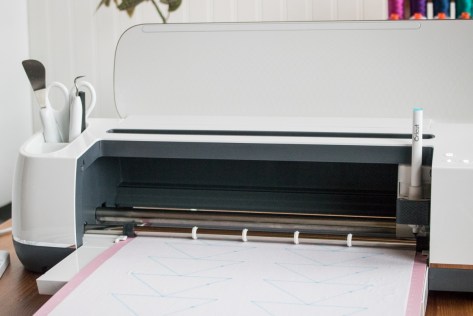
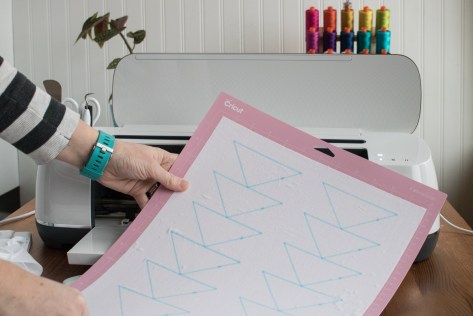 The Cricut Maker will both draw the washable embroidery guide lines AND cut the larger rectangle for you!
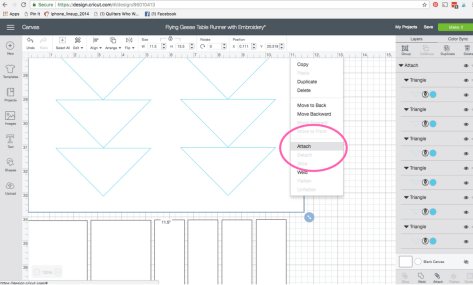 When I designed the drawn geese section, I designated the geese shapes as draw lines rather than cut lines and ATTACHED them to a larger cut background rectangle, about 11 1/2″ x 13 1/2″ in size so that they would be easier to embroider. For those of you designing for your Cricut Maker, this is key to remember when you want to combine both cut lines and drawn lines! Also, many thanks to
 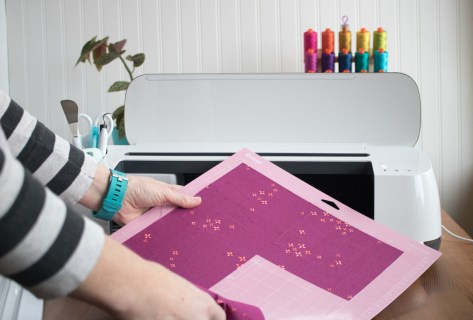 The Cricut Maker will also prompt you to cut squares of your focal fabric, small squares of background fabric, and some background rectangles. Once the fabric is cut, carefully remove the excess fabric, revealing your perfectly cut shapes. Carefully remove the fabric from the mats, and then get ready to sew!
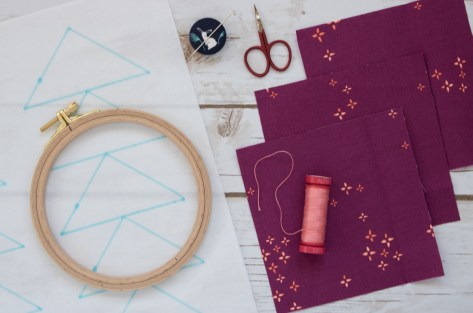 The embroidered accent geese are meant to add some subtle accent interest to your table runner, since hand stitching of any kind (in my mind) adds a special touch. Especially with a project that will be seen often, those hand stitches can echo the sharp aesthetic of the pieced flying geese.
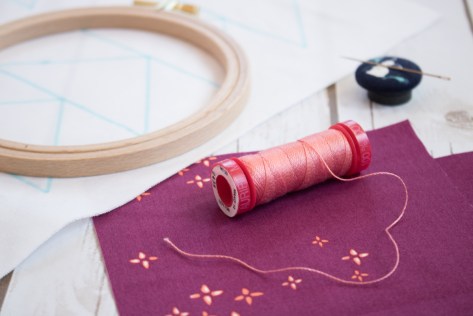 Gather your embroidery hoop, background fabric with your flying geese drawn on, and a thick 12wt thread, embroidery floss, or perle cotton in a coordinating color. I chose to use
 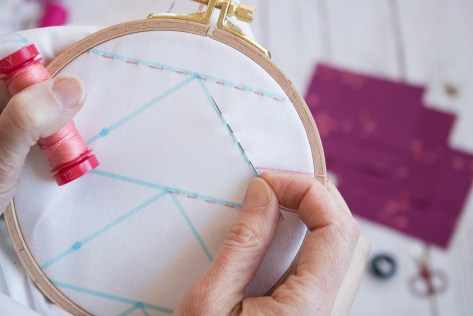 You can use the drawn embroidery guides to do any type of embroidery you want. I chose to do a simple running stitch around each flying goose, but feel free to get creative! Chain stitch would me another fun stitch to use to outline each goose, you could echo the stitching inside each goose as well, or even fill the geese with french knots!
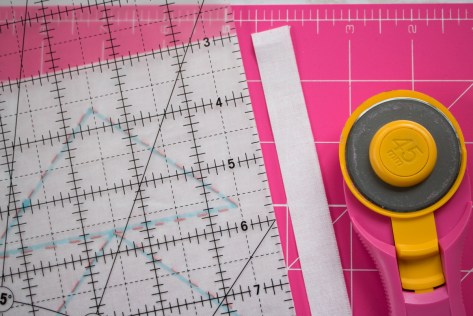 Once you’ve finished embroidering your geese, carefully trim the panel into two rows of geese, cutting 1/2″ away from the side points of each row. Do not cut the top or bottom of each row of flying geese. You should now have two embroidered geese panels measuring 5″ x 13 1/2″.
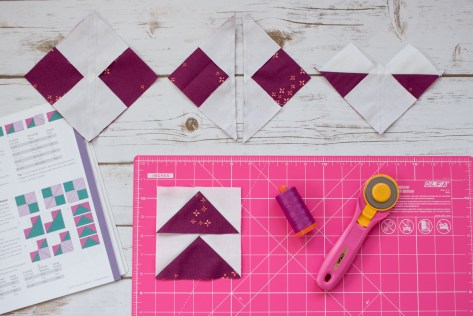 With your fabric pieces cut perfectly by the Cricut Maker, or as specified above, piece your flying geese using the four at a time method. I used the Reference section of my
 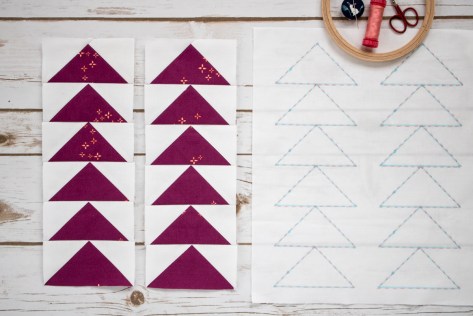 Make twelve geese total and sew them into two strips of six as shown above. See how they are mirrored by the embroidered strips? Note that your embroidered strips should be cut apart by this step.
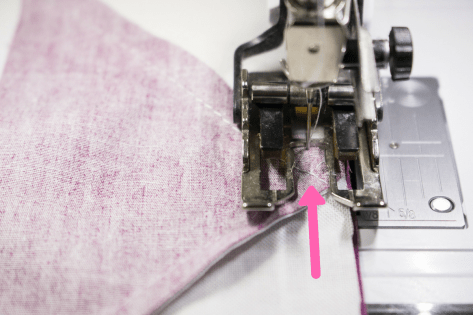 When sewing two geese together, position the point of the goose on top and make sure your stitch line passes exactly through the stitched point of your goose.
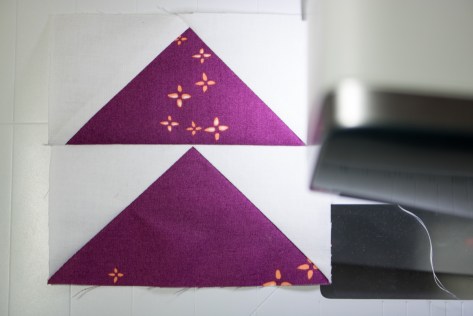 This way, you will be sure to never chop off the point of a flying goose ever again!
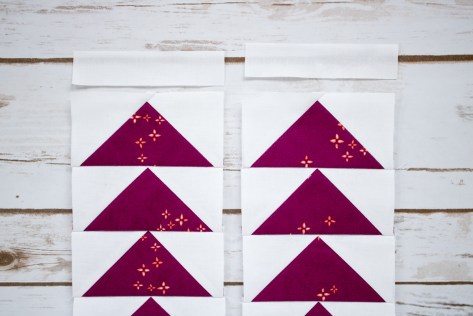 Once your flying geese rows of six are assembled, sew a 1 1/4″x 4″ piece of background fabric to the top and bottom of each strip. Align with your 13 1/2″ embroidered geese strips, and trim the pieced flying geese strips to 13 1/2″ if needed, being sure that your embroidered geese align with your sewn geese before trimming. There is a little bit of wiggle room included in the top and bottom background rectangles to allow for those who sew scant or generous 1/4″ seams, so trim as needed.
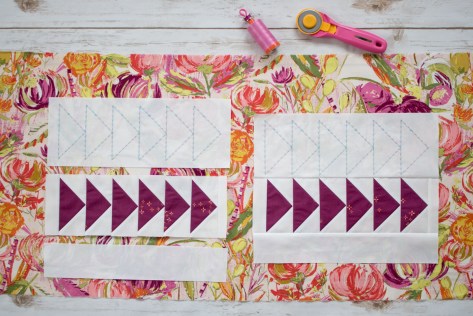 First sew together the flying geese panels of the table runner. I’ve arranged mine on top of my backing fabric so that you can clearly see the different pieces being sewn together. With geese facing the same direction, sew the embroidered flying geese section to the pieced flying geese section. Then sew to the 2 1/2″ x 13 1/2″ background rectangle. Make two.
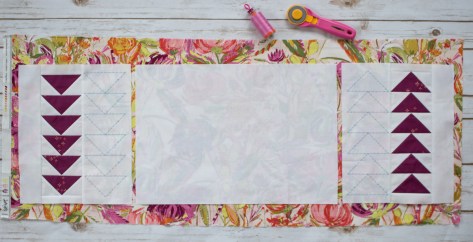 Assemble the table runner top by sewing the sections together as shown above: Note that the embroidered flying geese panels should be sewn to the center background piece on both ends.
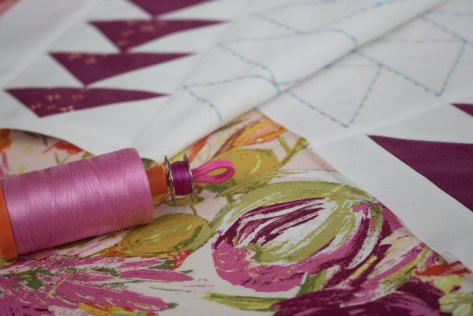 Once your table runner top is pieced, position the runner top and batting in the center of your chosen backing fabric, right sides facing away from each other. In other words, layer and baste your table runner and prepare for quilting!
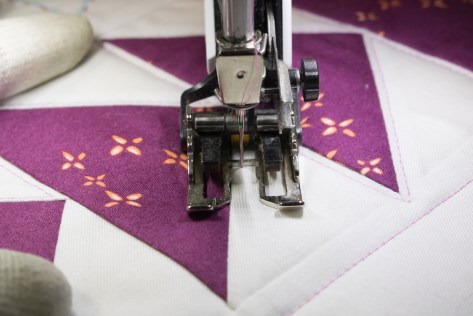 I chose to use Aurifil 50wt 2479- Medium Orchid to quilt my Flying Geese Table Runner with a dense free motion quilting pattern in the center, simple outlines of the pieced flying geese, and dense free motion quilted switchbacks in Aurifil 2021-Natural White between both the pieced and embroidered geese. I wanted the texture but not the visual distraction from my hand stitching.
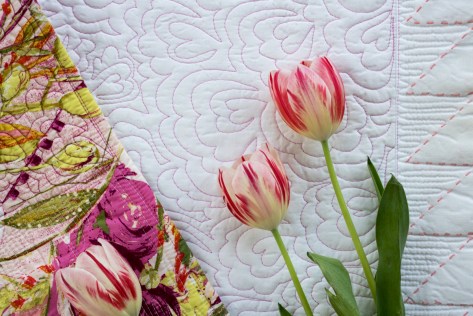 I’m certainly not a free motion quilting pro, but I am pretty happy with my over-all heart-flower free motion quilting motif! Plus, how fabulously do those tulips go with the BariJ Sage fabric backing!?
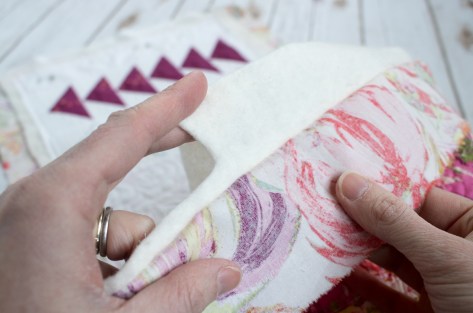 Once your table runner is quilted as desired, carefully fold back the backing fabric and trim the batting *just* outside the top of your table runner top. I gave myself a little less than 1/8″ around the edge of my table runner.
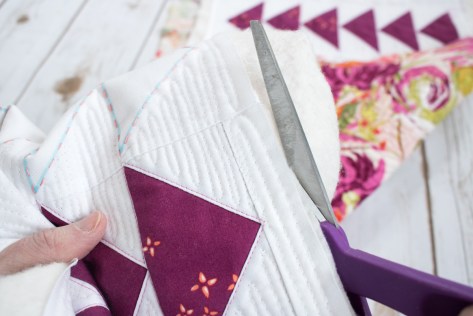 Be extra careful not to cut your backing fabric during this step!
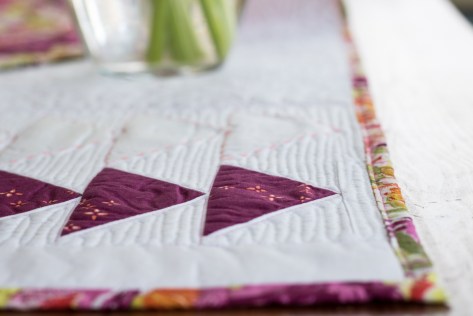 A full tutorial for how to bind your quilt with the backing fabric can be found
 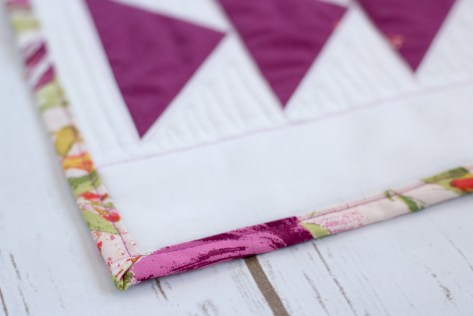 I wanted my binding to be slightly slimmer, so I cut mine 3/4″ from the edge of the table runner top instead of 1″, but choose whichever you prefer.
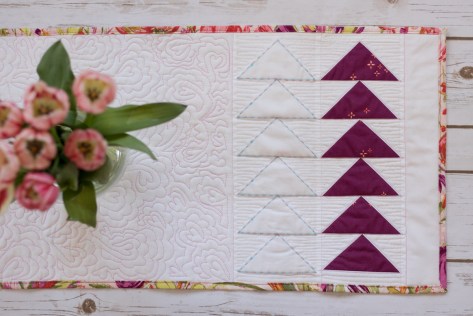 Ta da! Your table runner is nearly finished! All that remains is to wash out the washable fabric marker lines. I’ve found that the Cricut Washable Fabric Pen easily washes out with a bit of soap and cold water. Note that if you prewash your fabrics, you can wash out the fabric pen before trimming and piecing the embroidery panels into your table runner. I don’t prewash my fabrics, so I opted to wash it all at once after it was completely finished.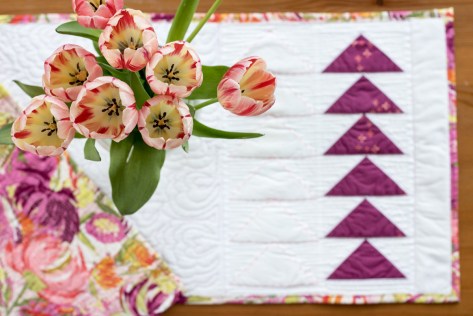
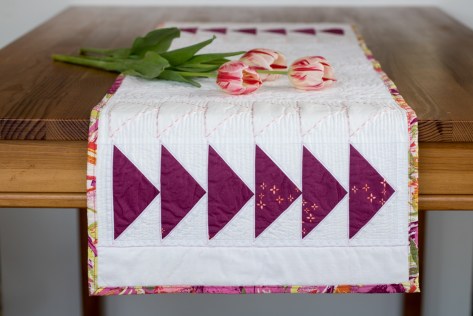 After giving my table runner its first wash, and in looking at these photos, I think I will go back and hand quilt within those embroidered flying geese to give them a bit more texture.
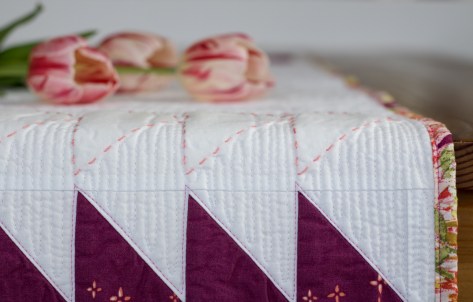 Enjoy, and I hope you’ll share a photo of your Flying Geese Table Runner if you make one! You can tag me on social media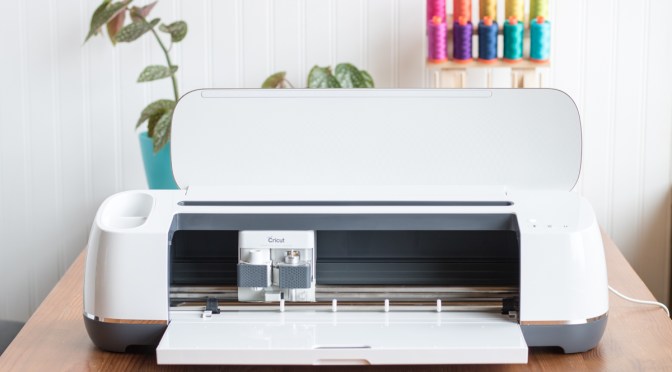
 This post is a sponsored conversation written by me on behalf of Cricut. All opinions are my own and I only share products that I think are awesome. Note that there are no affiliate links included since I live in Maine where affiliate programs aren’t permitted, but I have linked to referenced products for your ease. Business aside, shall we get on with the fun? Let’s!
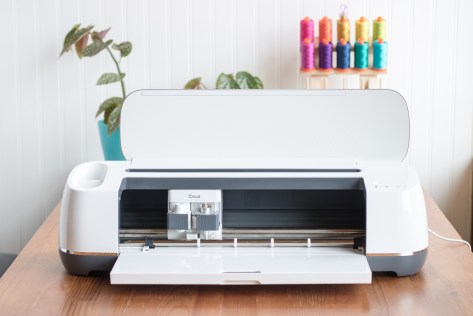
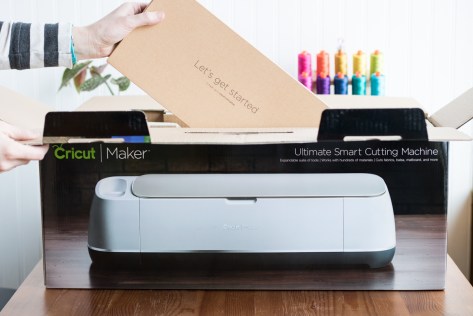 I set aside a day where I would have a window of a few hours without any of the kids home to first unbox my Cricut Maker, since I knew that I would need to not only figure out how it works, but also figure out how to use Design Space, where your projects and designs are created. I was pleasantly surprised at how extremely easy and user friendly the entire set up was! I probably could have figured it out with all three kids hanging on me–it was that intuitive!
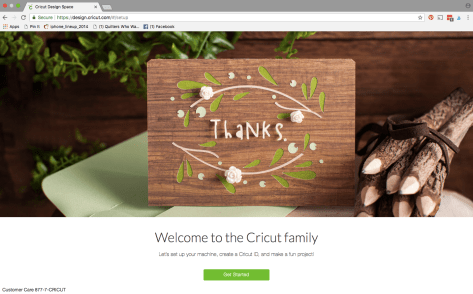 To set up the Cricut Maker, I just went to the Cricut website and found the
 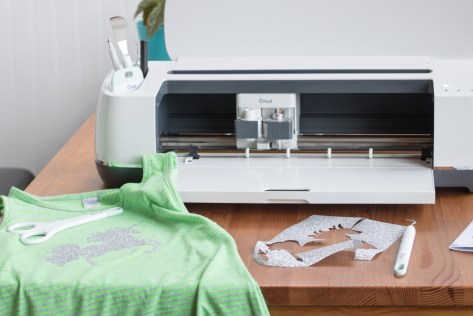 I went into my Cricut Maker exploration day with full intention of diving into its capabilities for the world of quilting, but in exploring the Cricut Design Space, I accidentally–OOPs!–ended up bedazzling one of my daughter’s tank tops with a glittery iron-on unicorn! The
 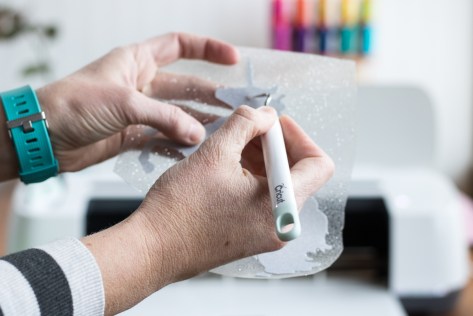 It didn’t take me long at all to have the unicorn cut since it was a free image already in the Design Space, and the
 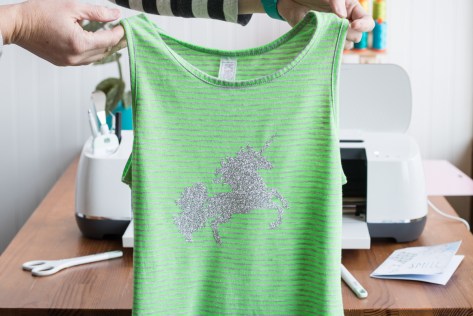 Within a half an hour, I had a fully bedazzled unicorn tank, which fortunately my daughter LOVED when she got home from school.
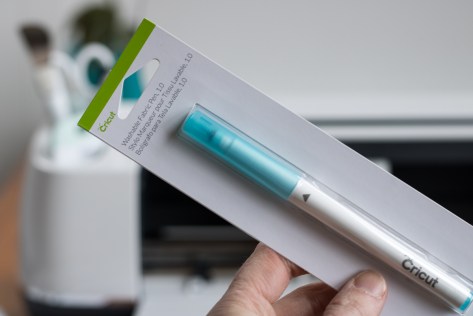 The Cricut Maker comes with a fine point pen, but there are also a
 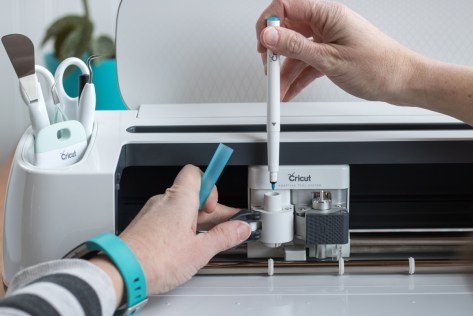 The pens and blade tools are *really* easy to install and switch, since they are held in with an easy snap clamp, and the Cricut Design Space prompts you on what pen or blade to insert before each project so that you’re sure to use the correct blade for your project.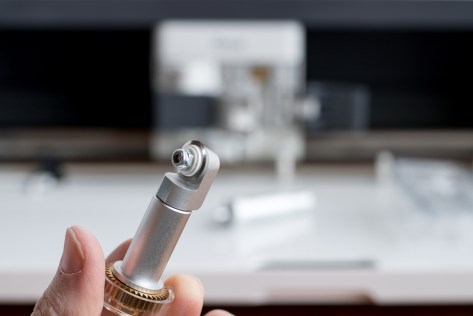
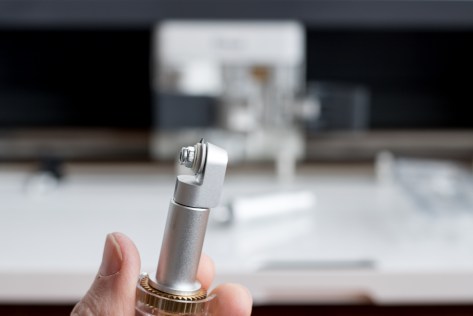 Using the
 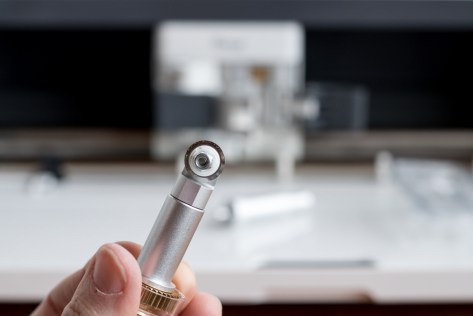 Now that you’ve seen the rotary blade from every angle, wouldn’t you agree that that’s the cutest little rotary blade you ever did see?
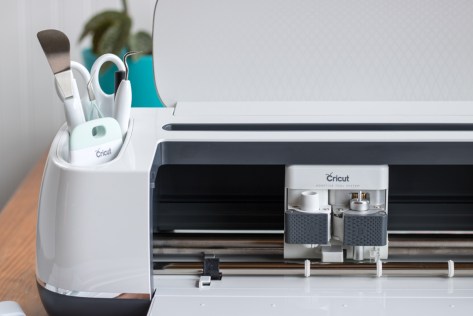 The blades snap into the little B compartment to the right of the A pen holder, and it’s incredible easy to switch blades when needed. The Cricut Maker also has ample space for storage of unused blades, pens, and tools, which is really handy for someone like me who doesn’t have a whole lot of extra storage space.
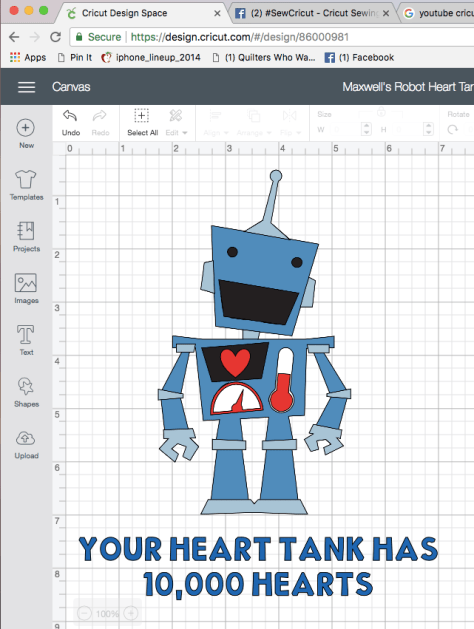 For example, when I do something he really loves, he says, “You just got 10,000 hearts in your heart tank!” and if we tell him he can’t have a second cookie, he says, “Your heart tank is almost empty!” in a warning voice, finger wagging for emphasis. How perfect is this little robot for him? I’m thinking I’ll make it a layered card stock creation to frame for his room. This was easy to make, since the robot is a free image in the Design Space, and adding the heart, customizing colors, and adding the text was very straightforward.
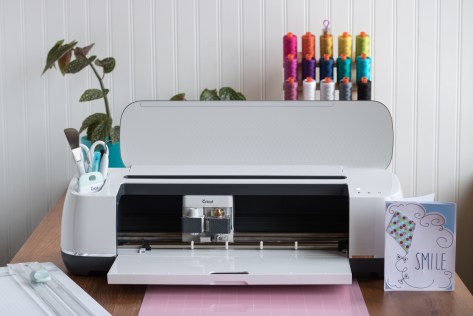 Now for the nitty gritty: how much does the Cricut Maker cost? The
 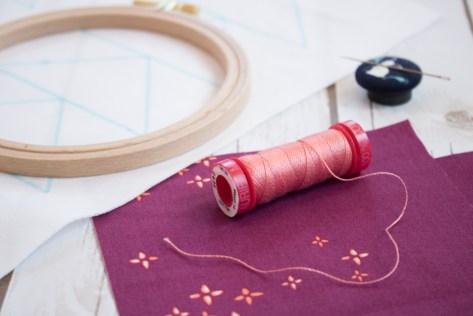 Here’s a sneak peek at a project tutorial I’ll be sharing for the Cricut Maker next week that pairs quilting and embroidery, so stay tuned!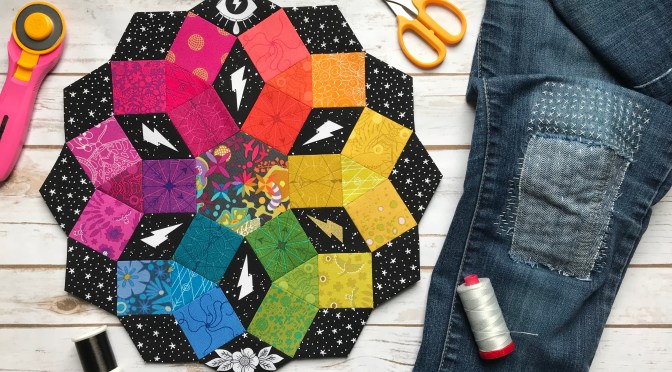
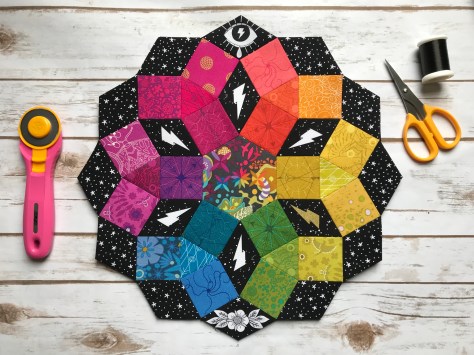 I headed off to QuiltCon with an English Paper Piecing (EPP) project–the Mandolin Quilt Block by Jodi at Tales of Cloth. I had gotten a bit further than
 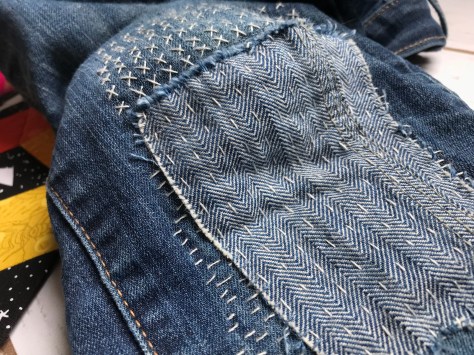 While I was traveling, the mending on my most-worn jeans began to wear through, but fortunately I was able to pick up a mending kit from the
 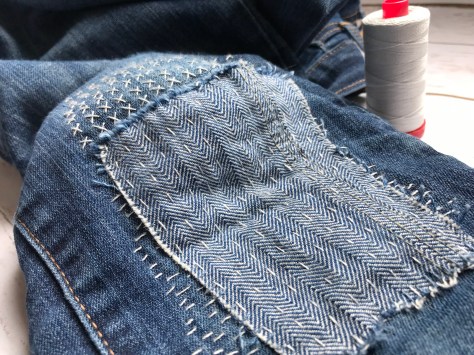 I used the 12wt
 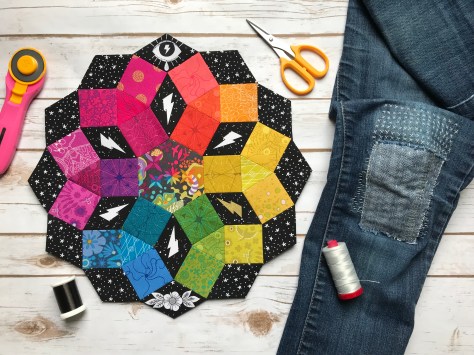 My long flight back to NJ after QuiltCon allowed me to finish both of these hand stitching projects, which felt pretty amazing since I typically make progress at a snail’s pace.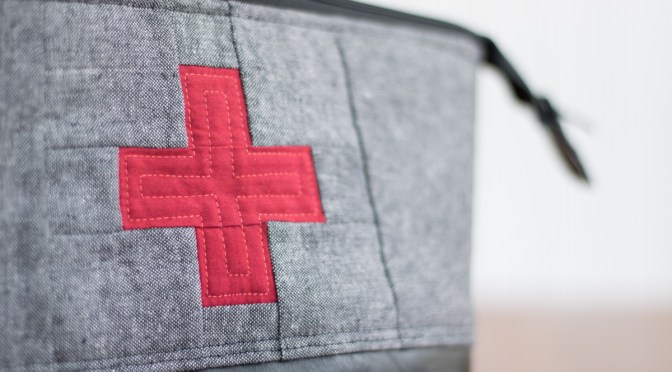
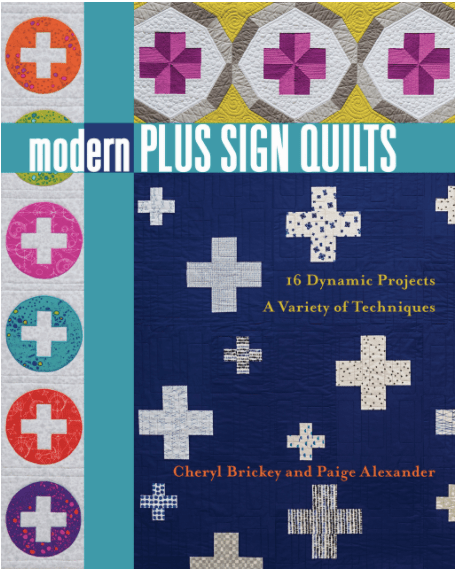 With 16 diverse patterns including a variety of techniques including traditional piecing, applique, and foundation paper piecing, this book is a great resource for quilters of all levels of experience. For the next few weeks, be sure to follow along with the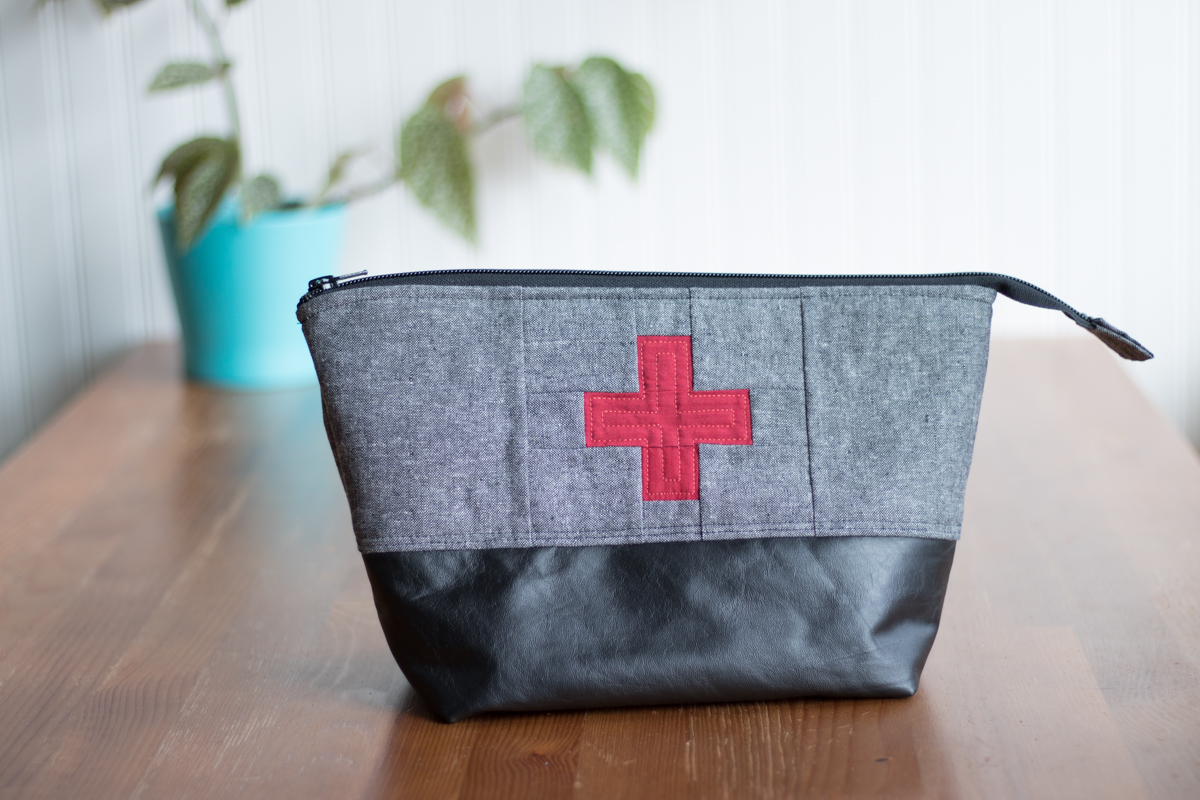
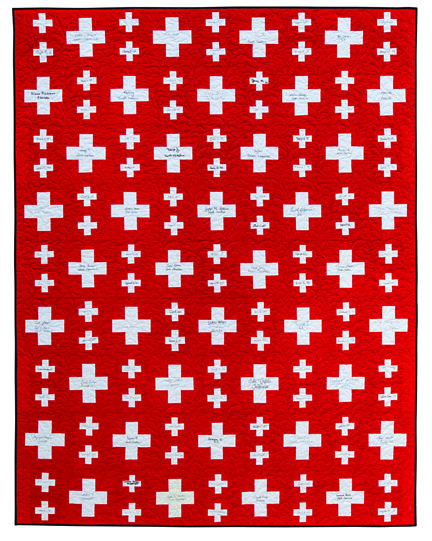
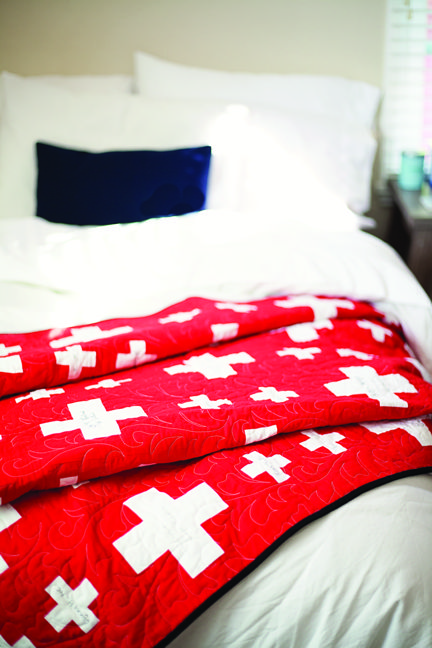
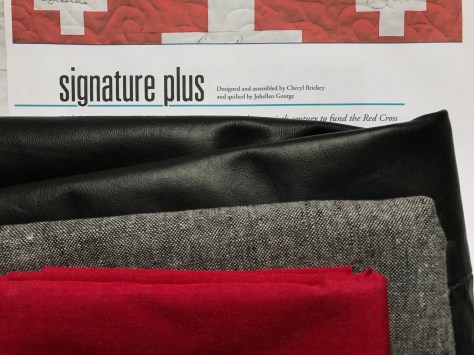 One thing I love about the Signature Plus pattern is that it’s designed as a pattern well suited to group quilts, inspired by Red Cross signature block quilts from the early twentieth century. You can read more about the history of Red Cross quilts