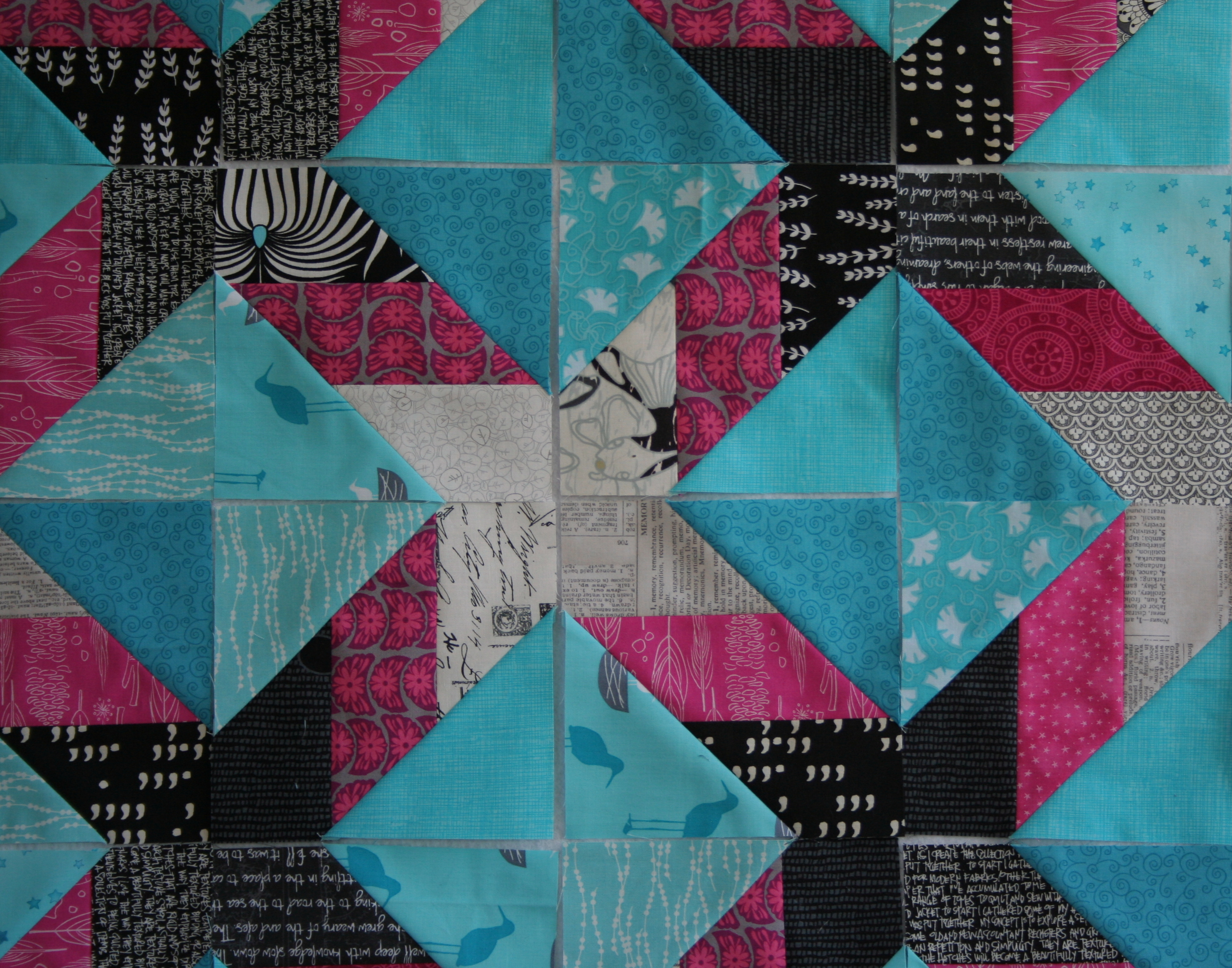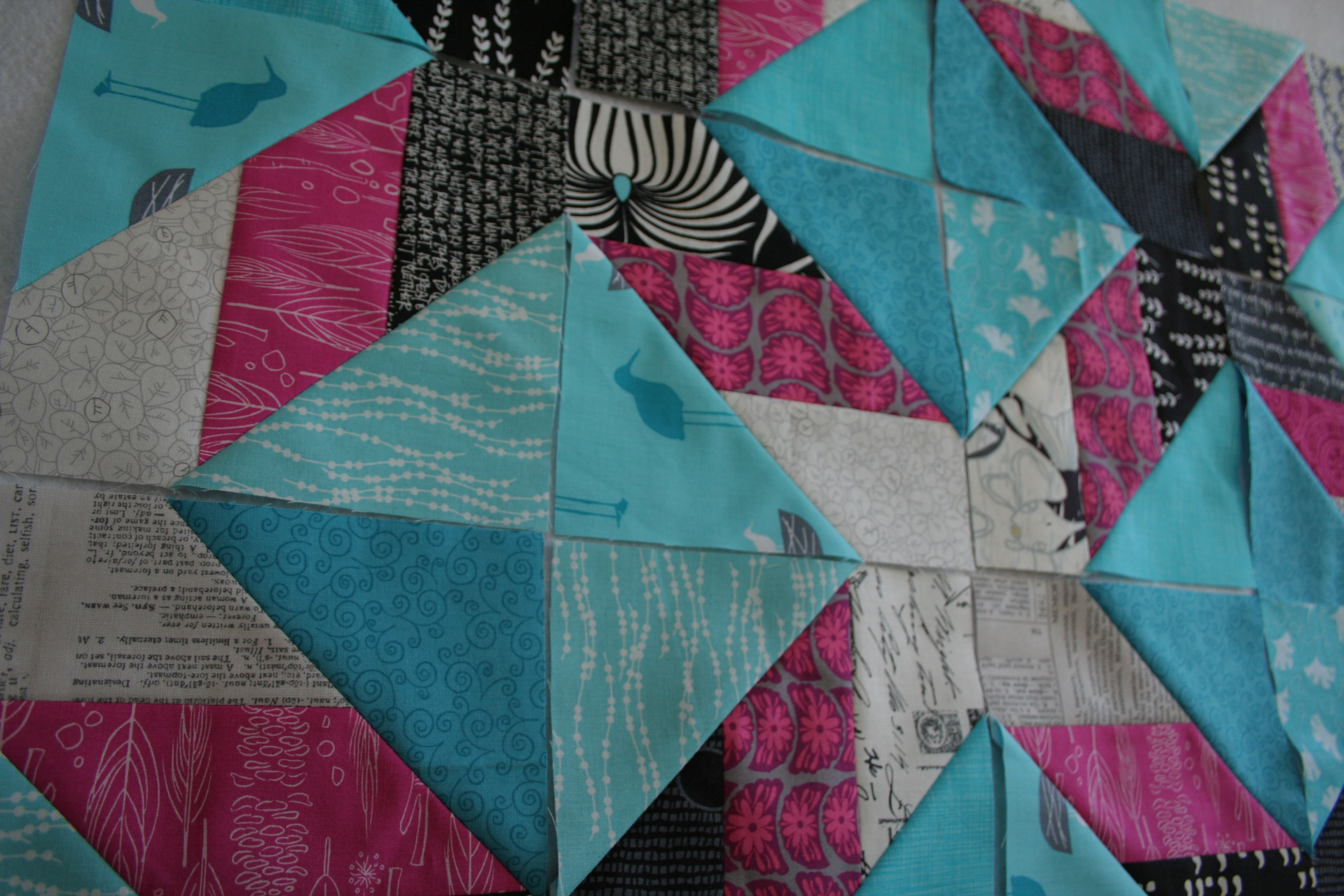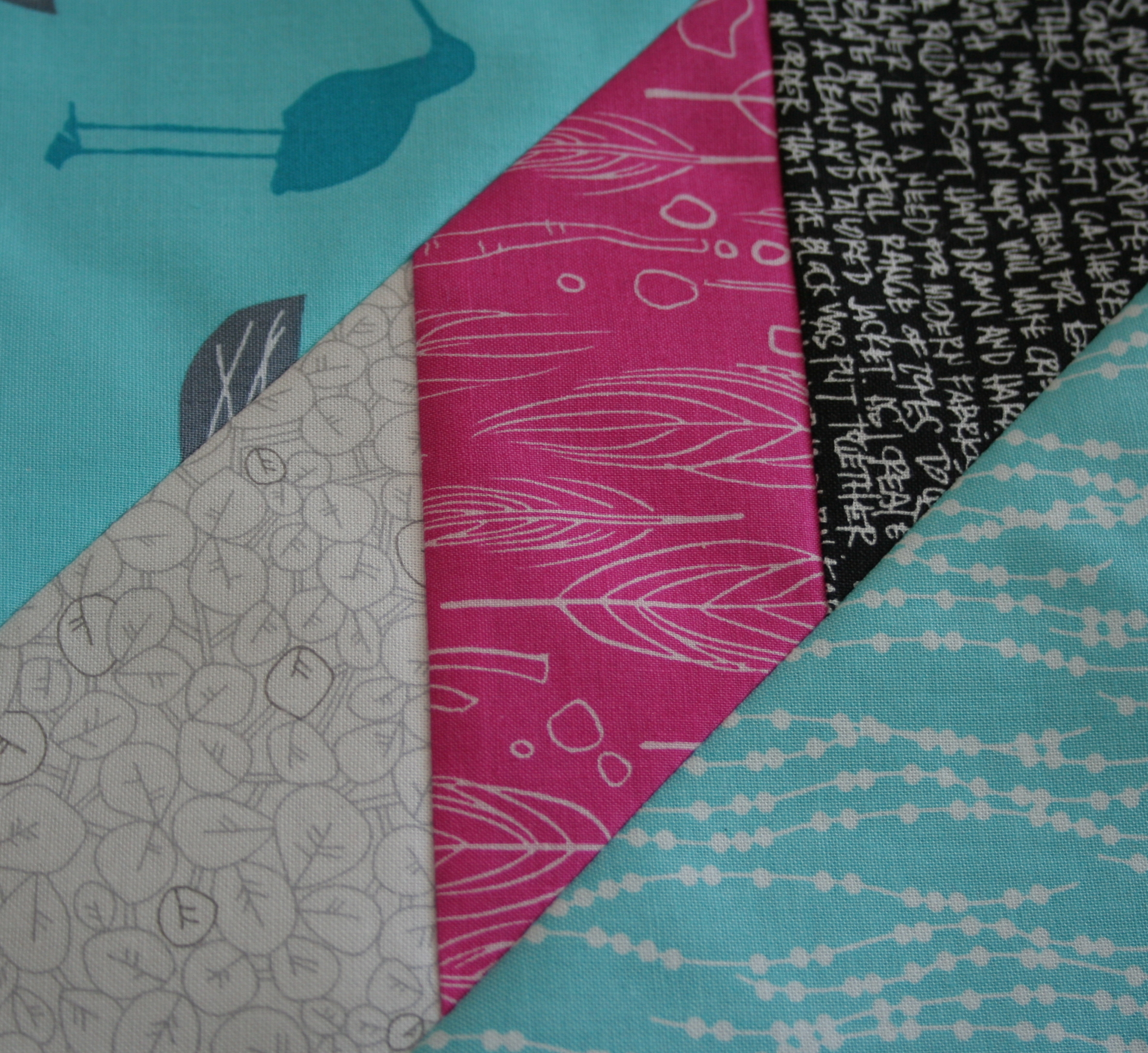
Tutorial: Basic Foundation Paper Piecing

Foundation Paper Piecing is one of those things that when first encountered, may seem daunting enough to send you running for the hills. But once the general concept is grasped, paper piecing opens the door to a whole new world of quilting and fabric-play. Trust me, it’s worth giving it another go. As with anything, the best way to get more comfortable with foundation paper piecing is to practice, practice, practice, and then practice some more. Today I thought I’d share my process with tips along the way, in the hopes that it helps clarify the foundation paper piecing process.

For me, once I wrapped my brain around the fact that I was sewing something backwards while looking through a mirror, it all clicked. I’m a very spatial person, so once I could visualize that the picture was being created on the BACK, I was fine. Yes, the lines along which you sew will be on the back, or wrong-side of your sewn design. Think about that for a minute, and then let’s begin. Take your time, and have FUN!

Basic Foundation Paper Piecing Tutorial

First of all, why paper piecing? The ability to create life-like pictures with fabric is what first got me hooked on foundation paper piecing. Once I got the hang of it, I realized many more benefits to paper piecing:

  • No other method results in such precision and accuracy when sewing. You can make two blocks that are EXACTLY the same without too much muss or fuss about seams.
  • It is a great way to use up scraps.
  • My favorite perk of paper piecing is that it gives me a way to create gorgeous gifts for family and friends without the time invested in sewing an entire quilt. Paper piecing patterns are perfect for wall hangings, table runners, tea cozies, mug rugs, pillows, bags, and even as framed art.

Convinced? Let’s get started!

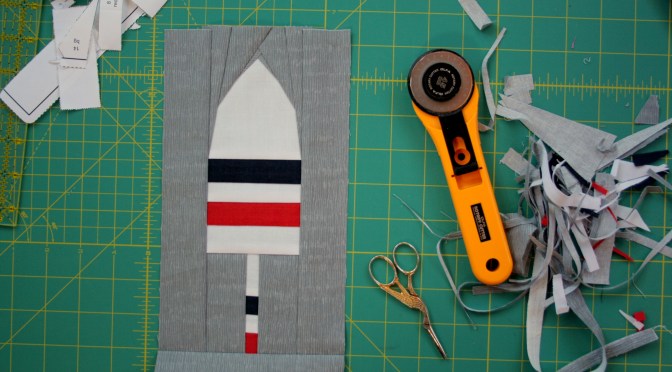
1. Choose a pattern. I am using my Buoy 1 pattern for this tutorial, since it’s fairly straightforward and consists of only one foundation piece. Summertime is calling my name, so this nautical pattern will soon become a pillow perfect for a beach house or someone’s nautical nursery. Buoy 1 used to be on Craftsy but is now no longer available, so you will need use another beginner pattern of your choosing. My available foundation paper piecing patterns are located on Payhip.

2. Assemble your tools. You will need:
– pattern & paper (I use regular printer paper. Some prefer velum or tracing paper)
– fabric & thread (I love Aurifil)
– rotary cutter and mat
– scissors (be sure to use non-fabric scissors to cut out your pattern. I suggest having fabric scissors, craft scissors, and small scissors for trimming threads)
– ruler (add a quarter rulers work well, but so do any quilting rulers with a 1/4″ measure)
– iron and pressing surface
– sewing machine
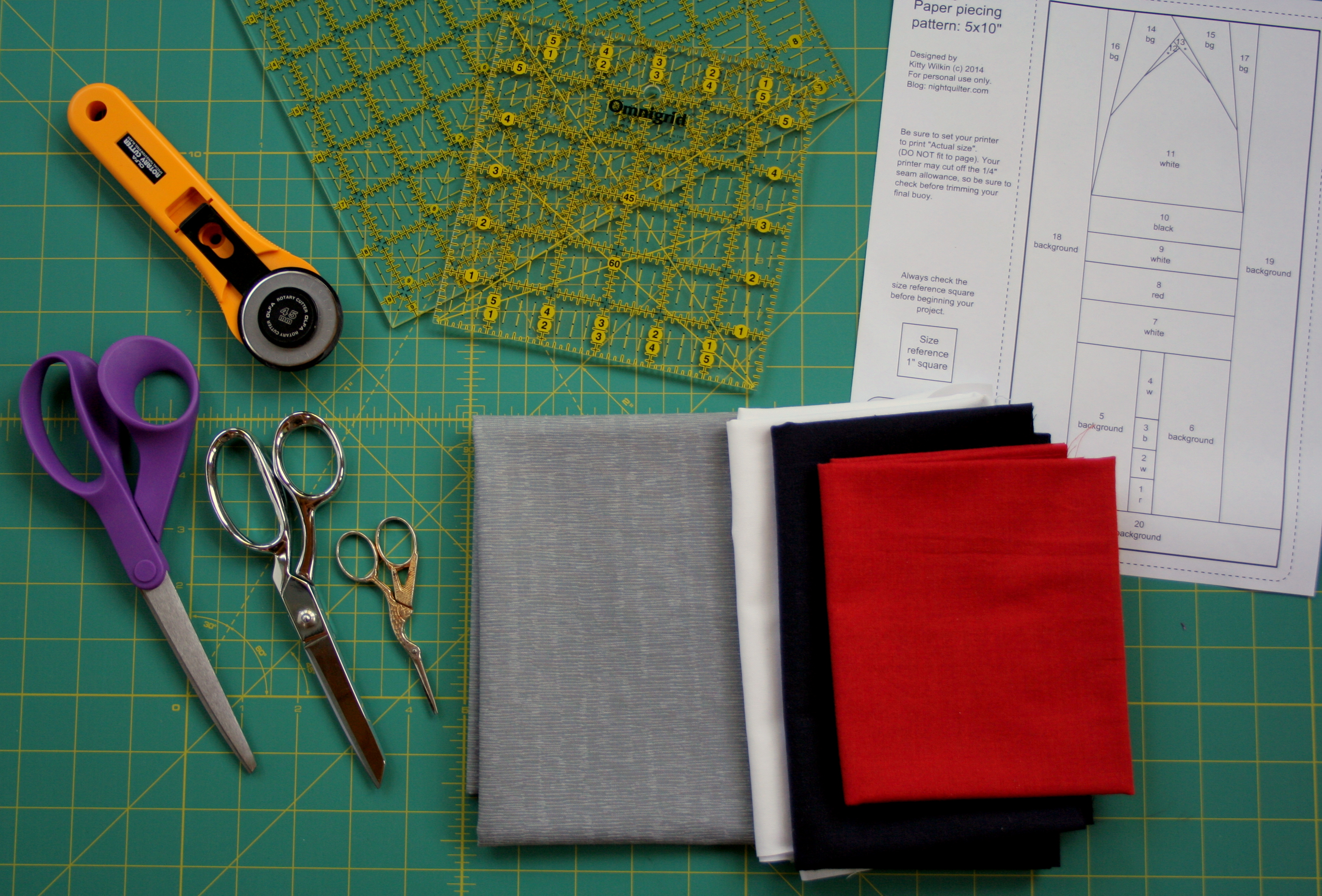
preparing for paper piecing

3. Print the pattern with your printer set on “Actual Size” and check the scale. ALWAYS check to make sure the pattern is printed to the correct scale before beginning to sew.
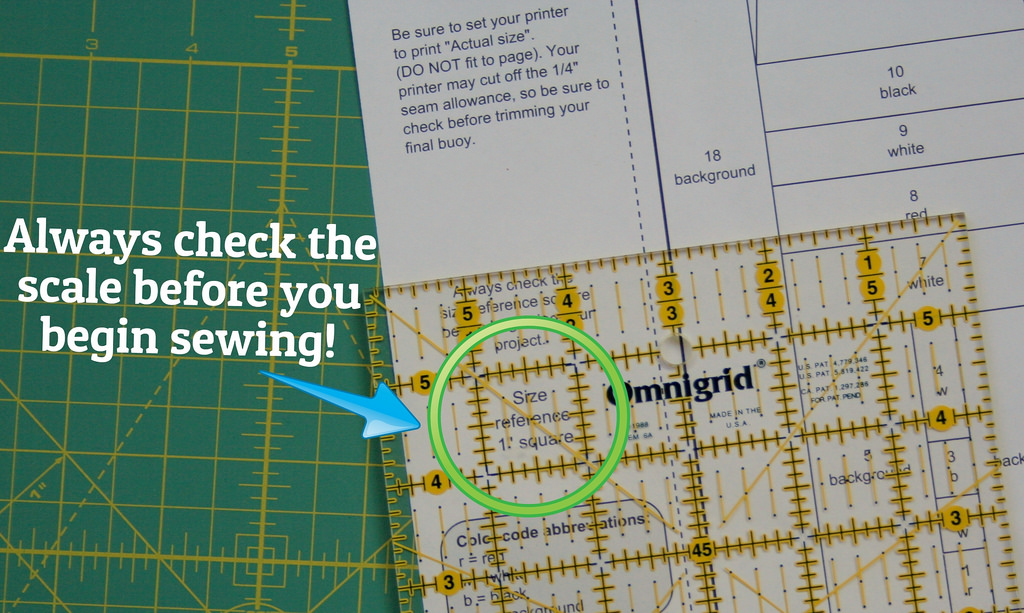
always check the scale

Cut out pattern using craft scissors. Many patterns have a dotted line showing a 1/4″ seam allowance on the pattern. Be sure to check that the seam allowance is included, and if it isn’t, add it on before you cut.

*Here, some people like to color their pattern with colored pencils to help with accurate fabric piecing. I only do this for complicated patterns or when I am using different fabric colors than indicated on the pattern, but you are welcome to get out the colored pencils and do some coloring here if you want!*

4. You’re ready to begin! Cut fabric pieces (or find scraps) to fit spaces 1 and 2 on the pattern. Be sure to include a 1/4″ seam allowance on all sides. Paper piecing is kind of like paint by number, but with sewing, and always in order. You start with piece 1, sew on piece 2, then piece 3, etc.
*When cutting fabric for paper piecing, I am generous in my cutting. I cut pieces that are amply large enough to cover the space and seam allowance and then some–lots of wiggle room. Yes, it may waste a bit more fabric, but it makes the process a lot smoother. To me, smooth (no seam ripper required) sewing is worth more than a few tiny scraps of fabric. Also, when you trim your seam allowances, any large pieces of excess fabric can be used for other pieces of the pattern. Go big!*
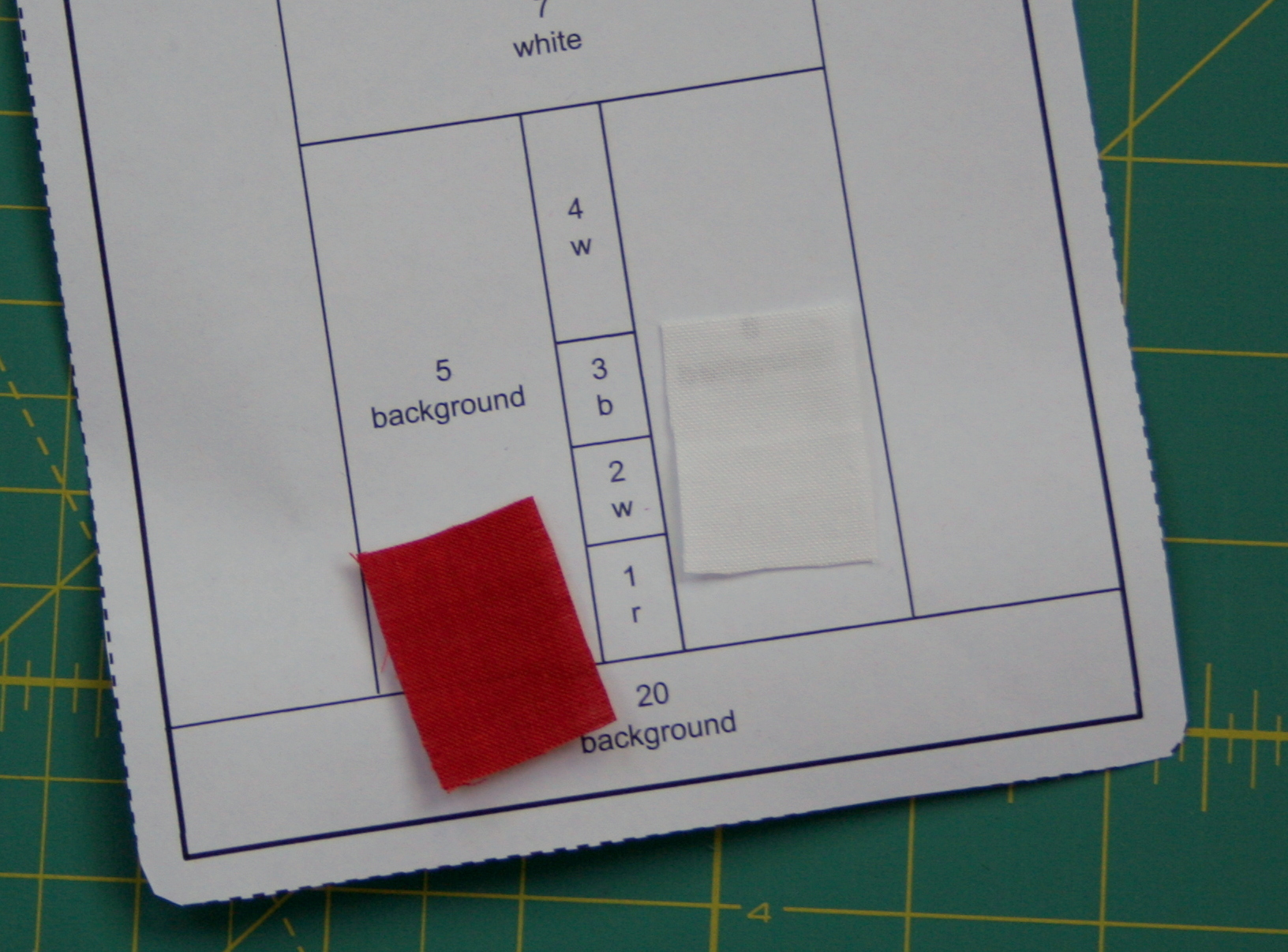
getting started5. Here’s where the spatial part comes in, so get ready. Remember, you are using the paper foundation to help you make the pattern on the back, as if you are looking through a mirror. Ready?

Place the fabric for piece 1 on the back of the paper, wrong side of the fabric facing you (against the paper). Hold it up to a window or a light-box to ensure the fabric fully covers the #1 space, plus seam allowances.
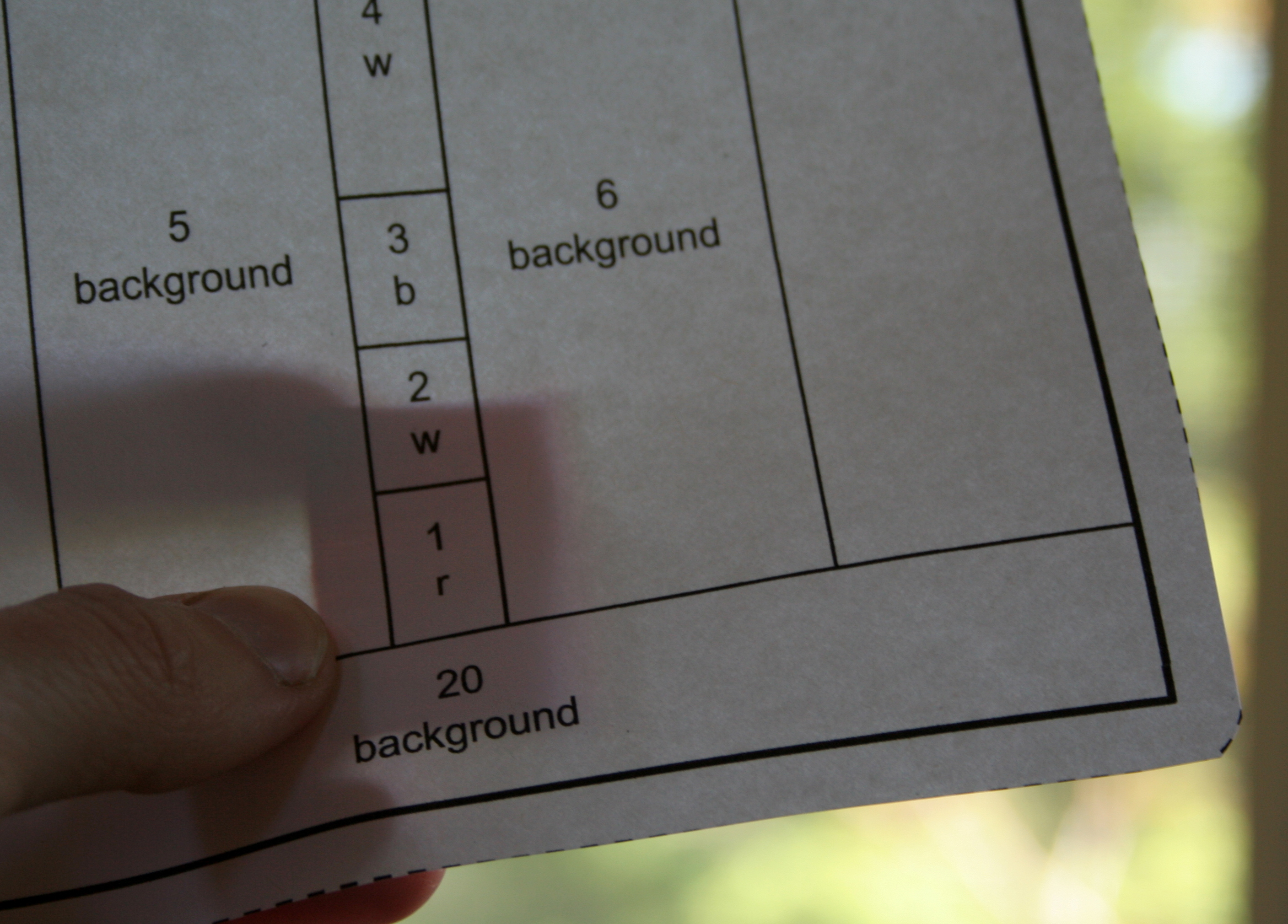
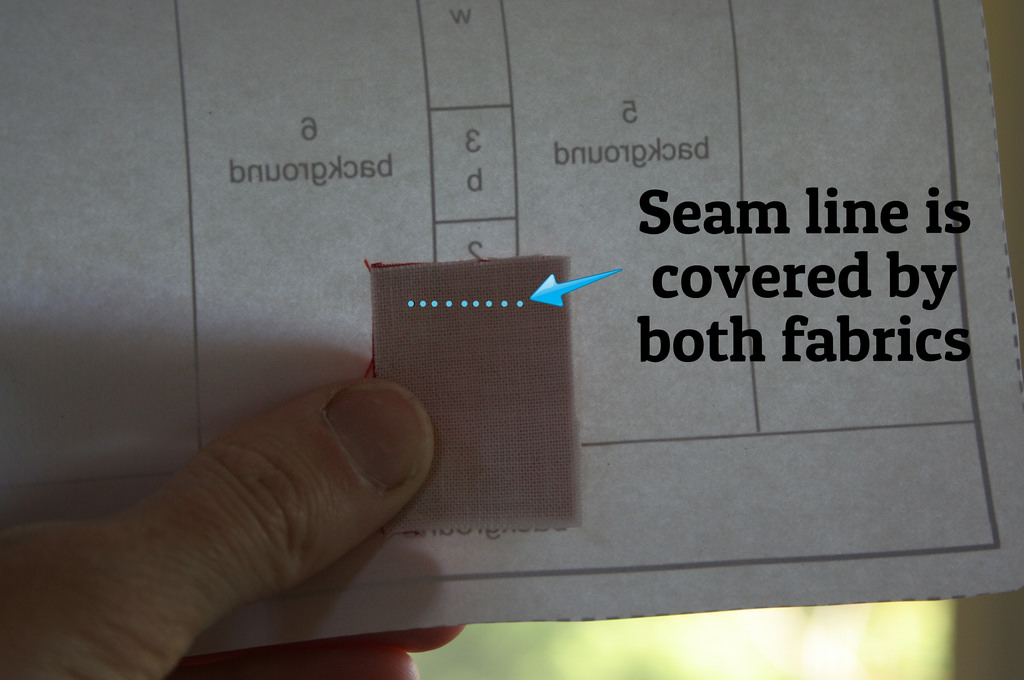
positioning the first piece6. Holding fabric 1 in place, position the paper so that the printed side is away from you. Take the fabric scrap for space #2 and place it right side down, on top of fabric 1. Be sure the seam line between 1 and 2 is covered by both fabrics, holding up to the light if needed. The fabrics should now be right sides facing each other, and when you sew along the seam line and fold fabric 2 up, it should cover the #2 space plus seam allowances.
getting started*Before you sew, shorten the stitch length on your sewing machine. I set mine to anywhere between 1.4 and 1.5. That way the paper is very easy to remove at the end.*

7. Holding both pieces of fabric in place, sew along the line between spaces 1 and 2, with the paper on top. Some people like to pin or even glue their pieces in place before sewing, since the fabric is underneath the paper. I personally just carefully hold them in place with my finger. I haven’t had a problem yet, and it’s one less step if that works for you.
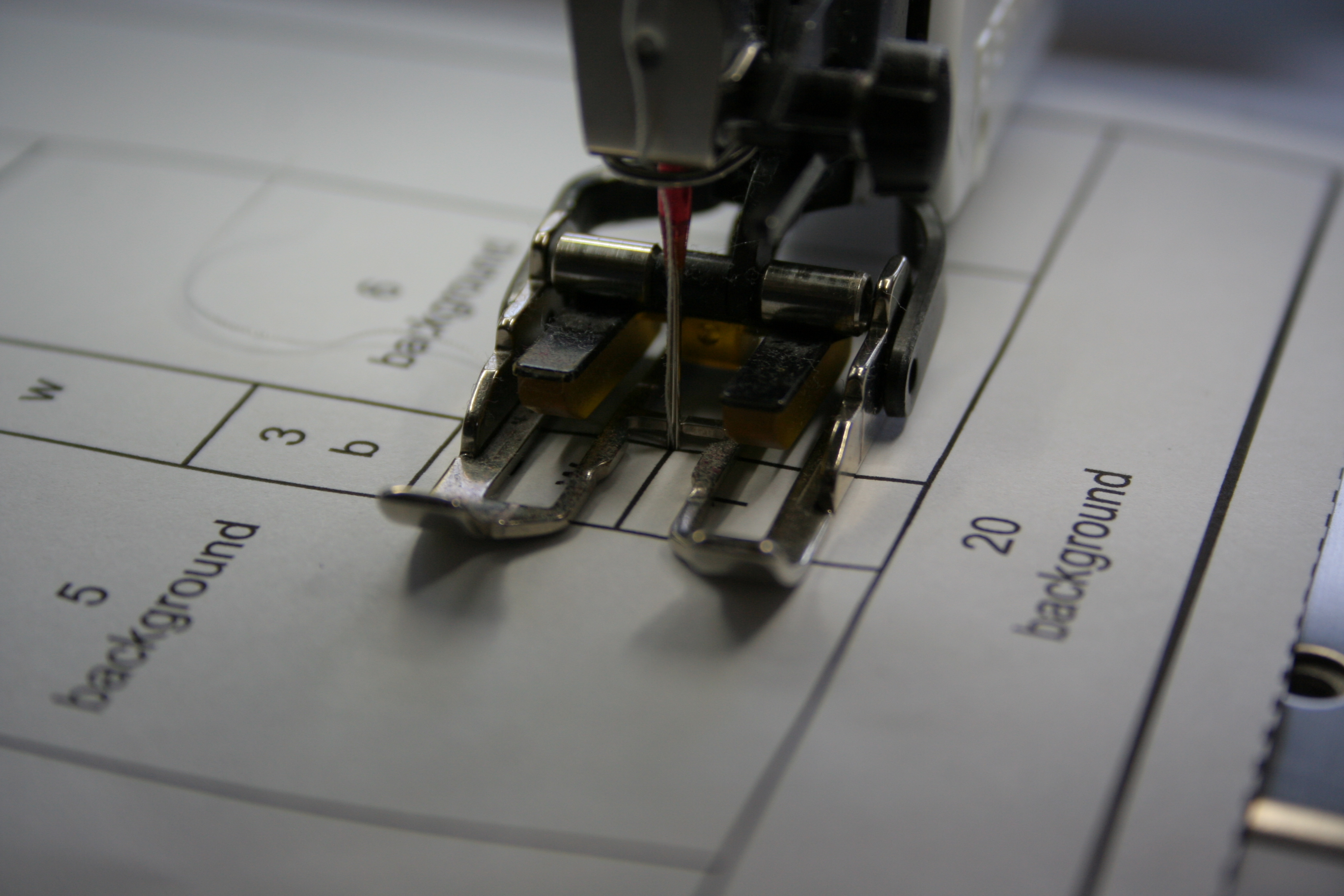
sew along lineAccuracy tip: Lower the needle by hand for the first stitch, ensuring that your sewing will be straight along the line. Back-stitch for one stitch at the end to secure your threads.

8. Trim thread ends. (If you want to make yourself a cute little thread catch, I have a free tutorial HERE!)
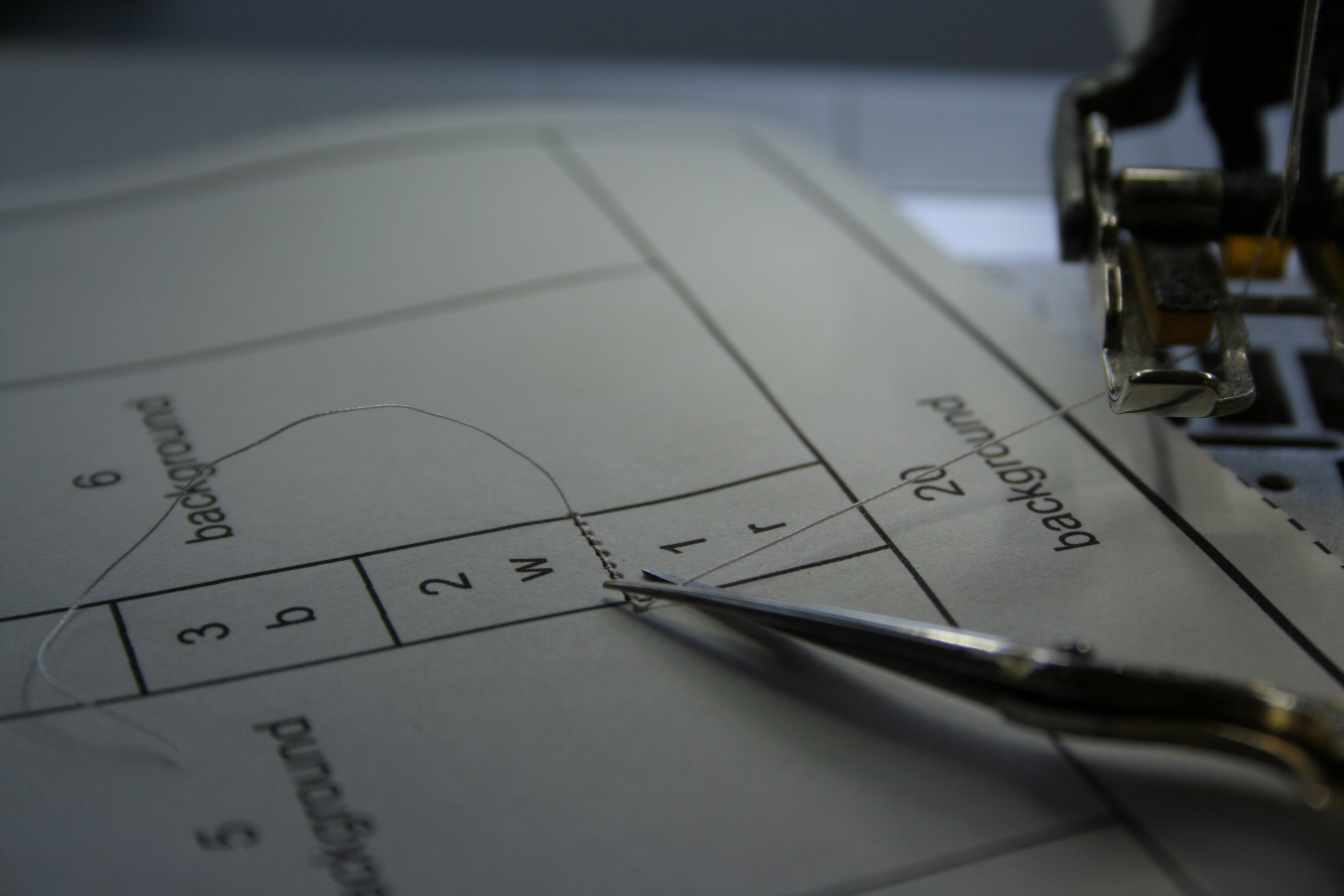
trim threads

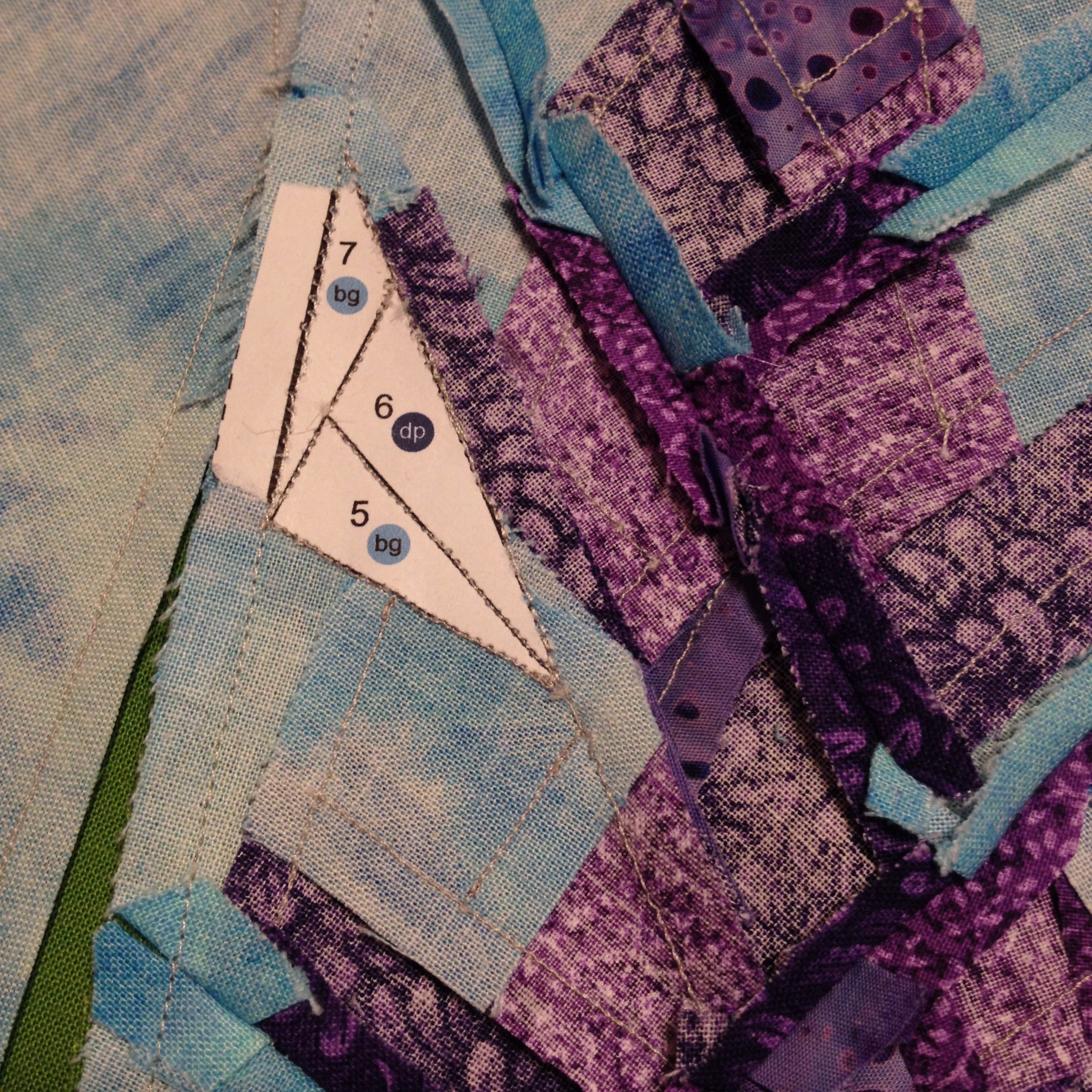
9. Fold the paper down along the seam you just sewed, and trim the fabric to 1/4″.
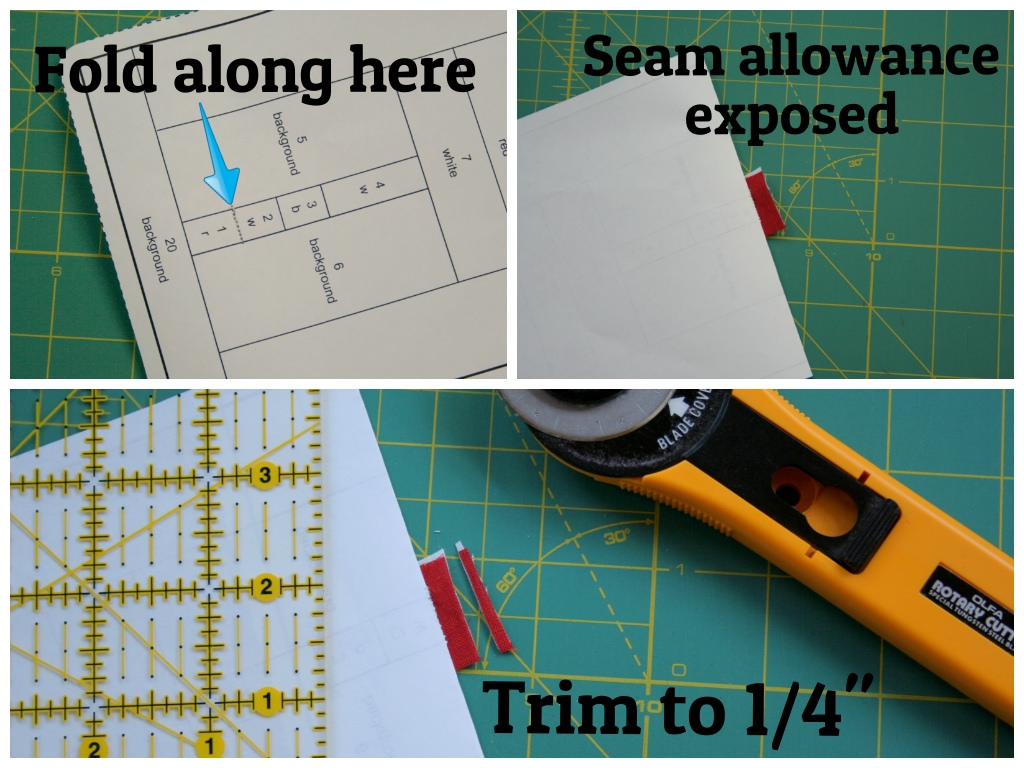
fold and trim

10. With the foundation paper flat and unfolded, press and set the seam with a hot iron (no steam). Finger press fabric 2 up to cover its space and press again.
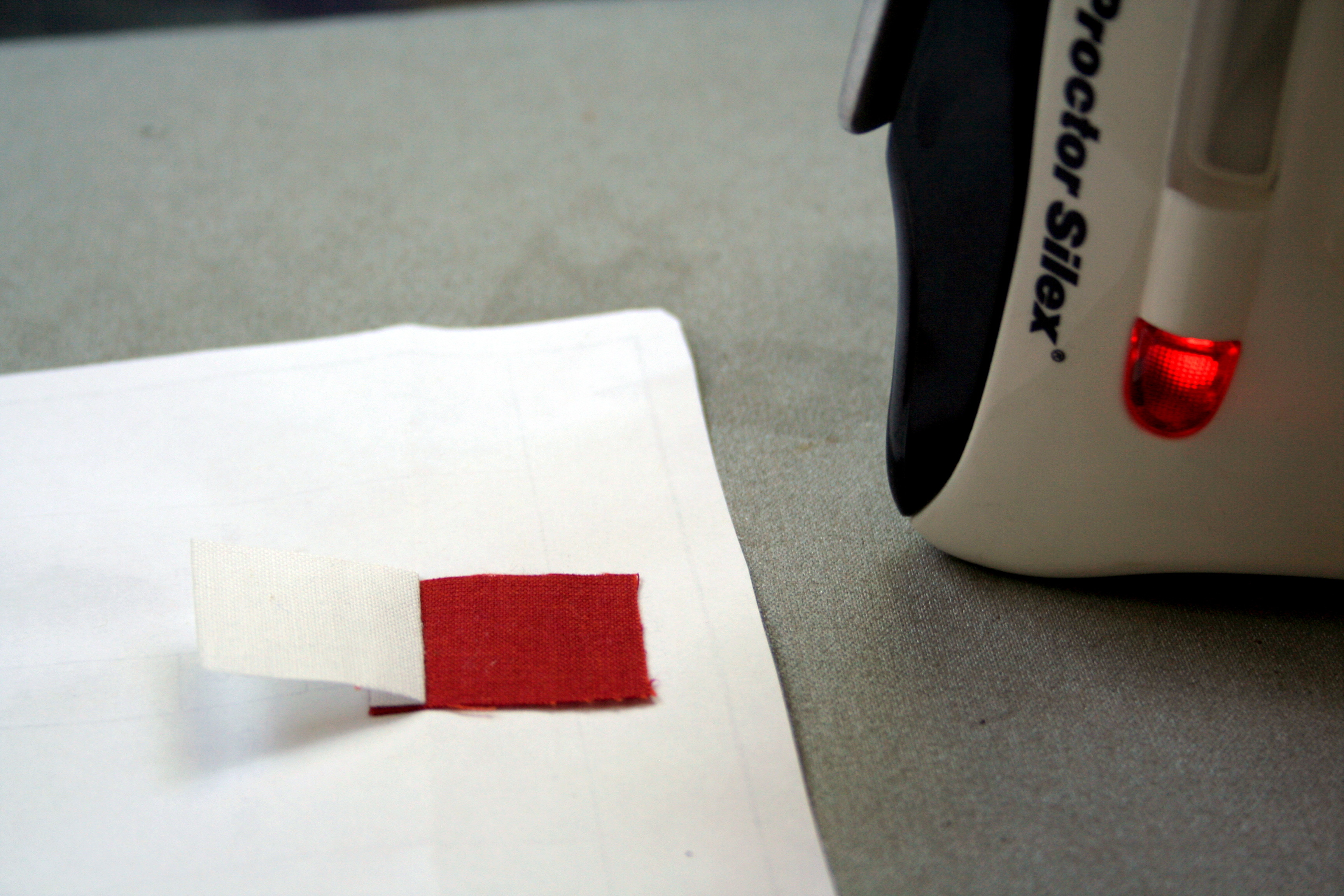
press seam

When you hold the paper up to the light, you should see that fabric 1 covers the #1 space and fabric 2 covers the #2 space, with seam allowances.
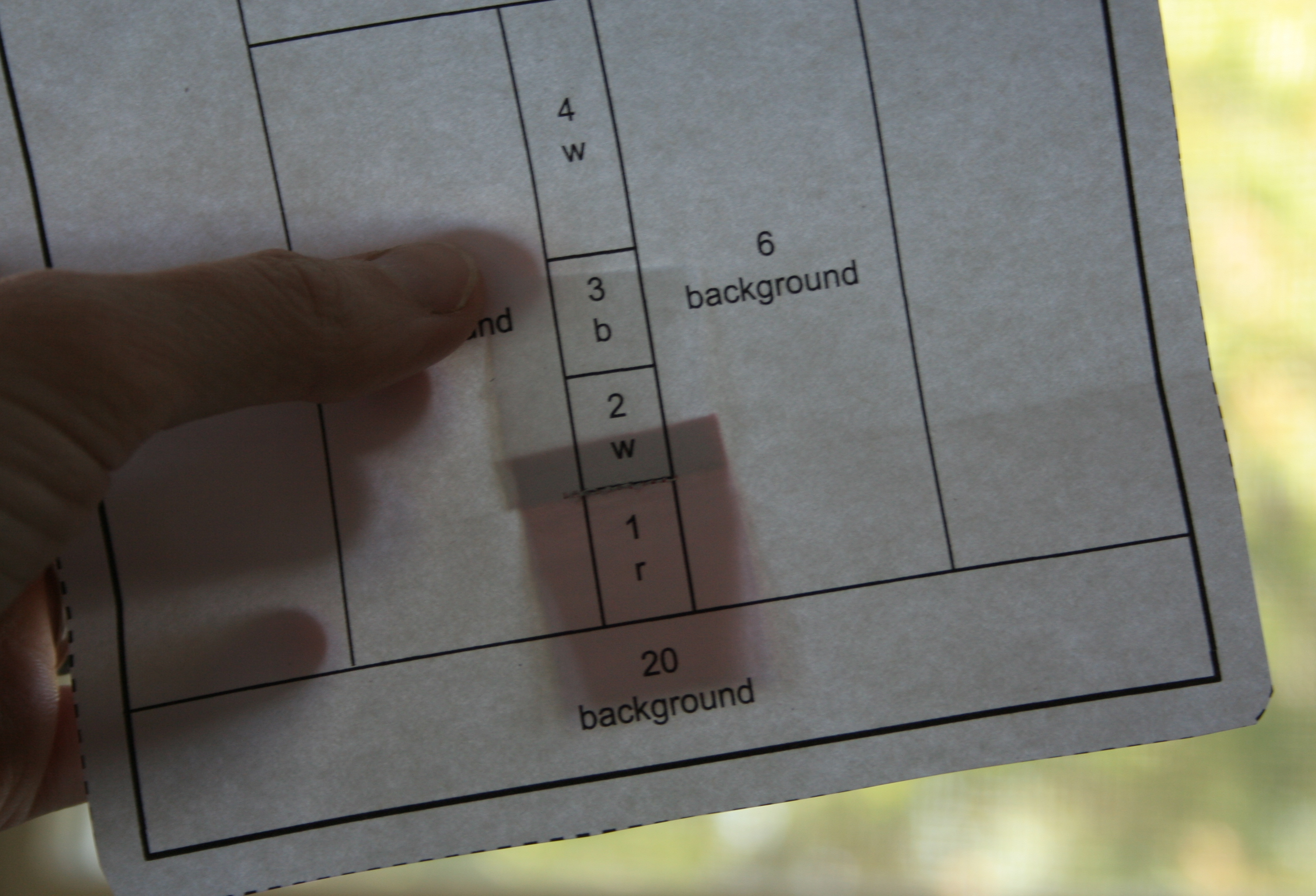
IMG_149611. Continue this method for the rest of the pattern pieces. Cut, line up, sew, fold & trim, press. Cut, line up, sew, fold & trim, press. Repeat.
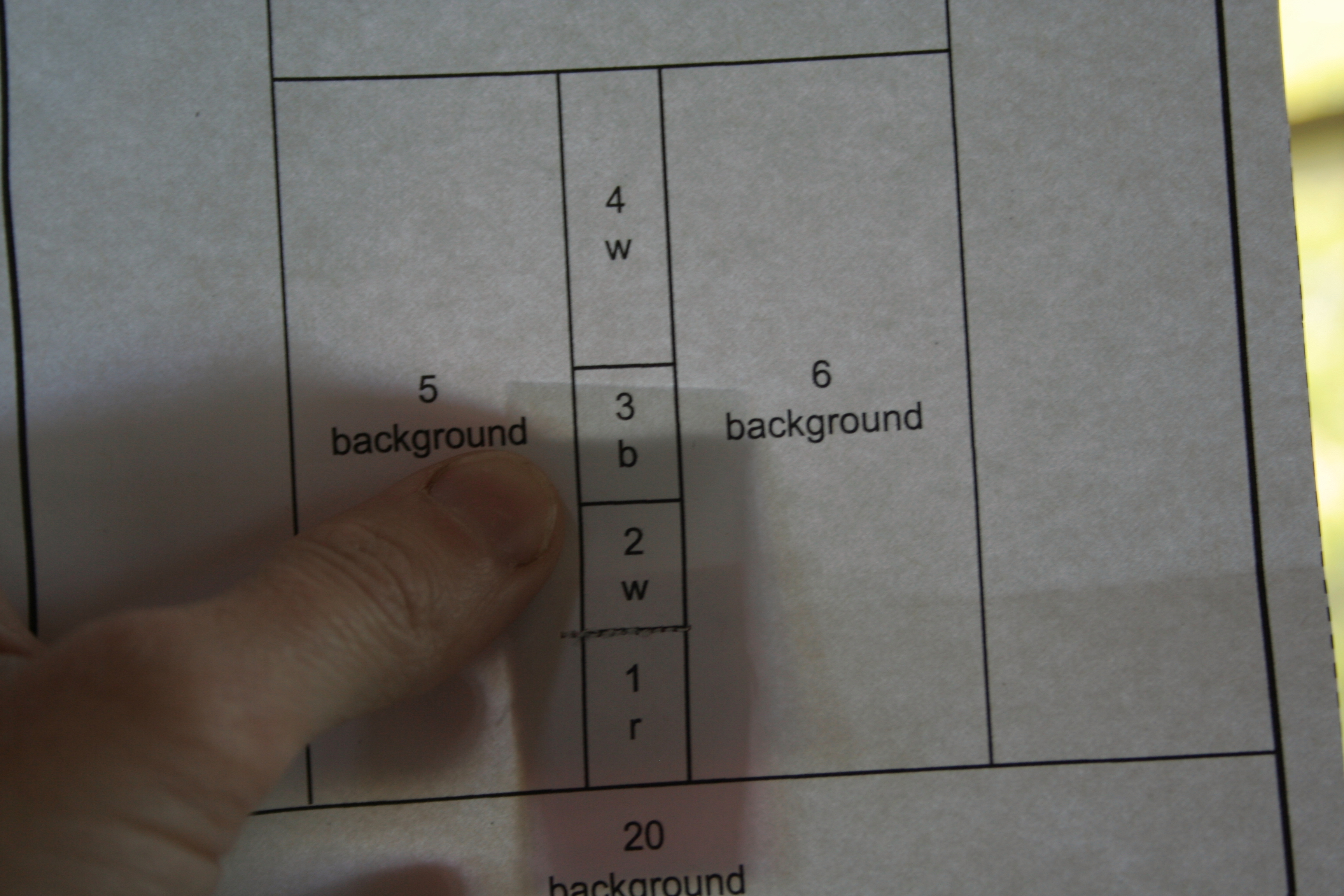
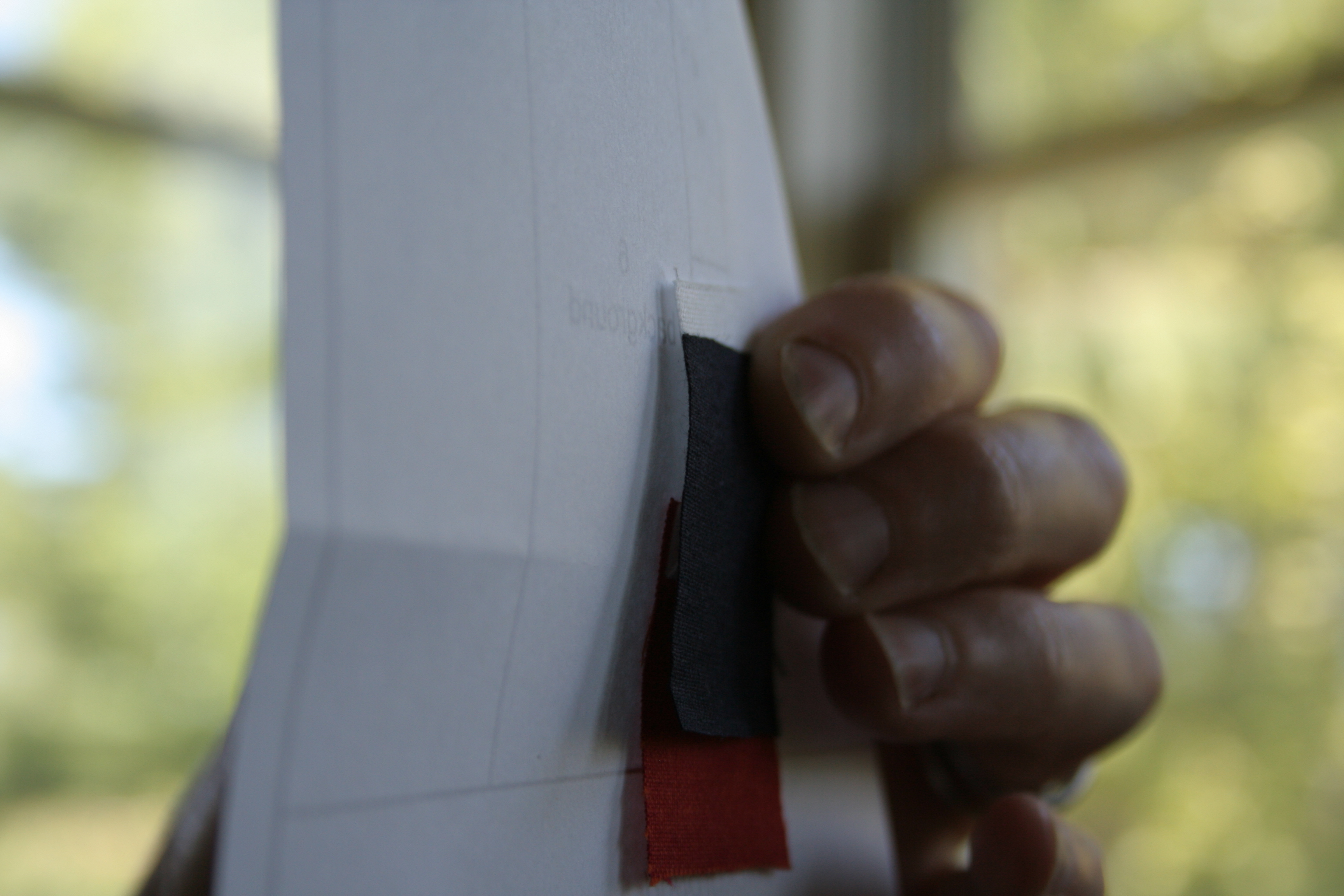
IMG_1497
Getting ready to sew on piece 3–front view.
IMG_1499
Getting ready to sew on piece 3–back view. Remember: the fabric has right side facing the pattern paper, with the seam along the top edge. Once sewn, the fabric will be pressed up so that the right side is showing.

If you’ve got the hang of it, you can skip the next few parts and just scroll down to the finishing steps. For those of you who run into tricky spots along the way, here are some additional tips to help smooth the process.

Tips for Lining Up Seams:

If you are truly generous in your fabric cutting, this tip is not as necessary since you’re bound to have enough fabric even if your seams end up being larger than 1/4″. However, if the frugal part of you just can’t cut those fabric bits ginormously, here’s a tip to get accurate 1/4″ seams to conserve fabric. Note that this works best for straight-forward seams, and not nearly as well for long, skinny, tricky angles (I’ll address those in a bit).
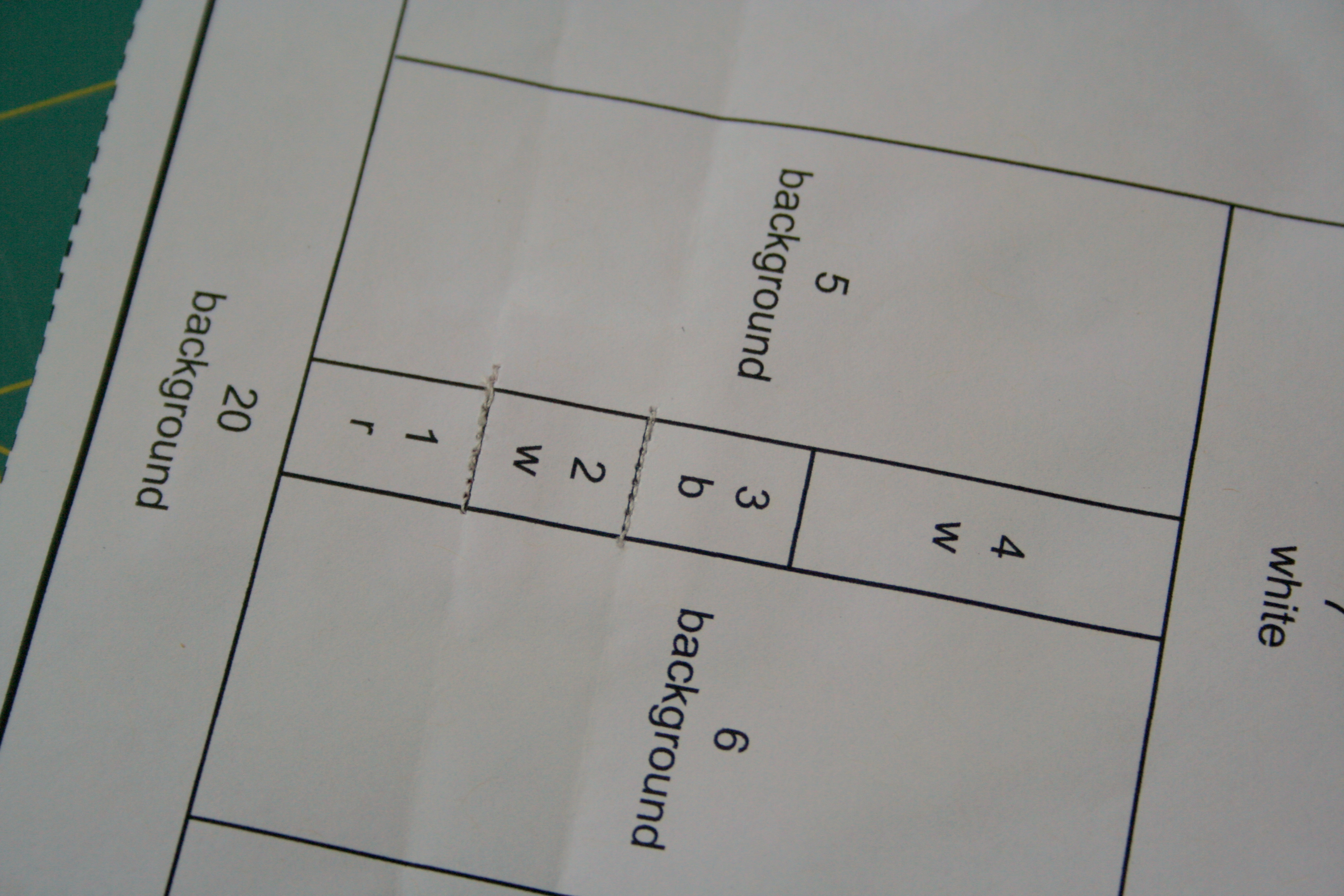
accurate seam tip

For this example, I have just sewn on piece 3, and I’m getting ready to sew piece 4.
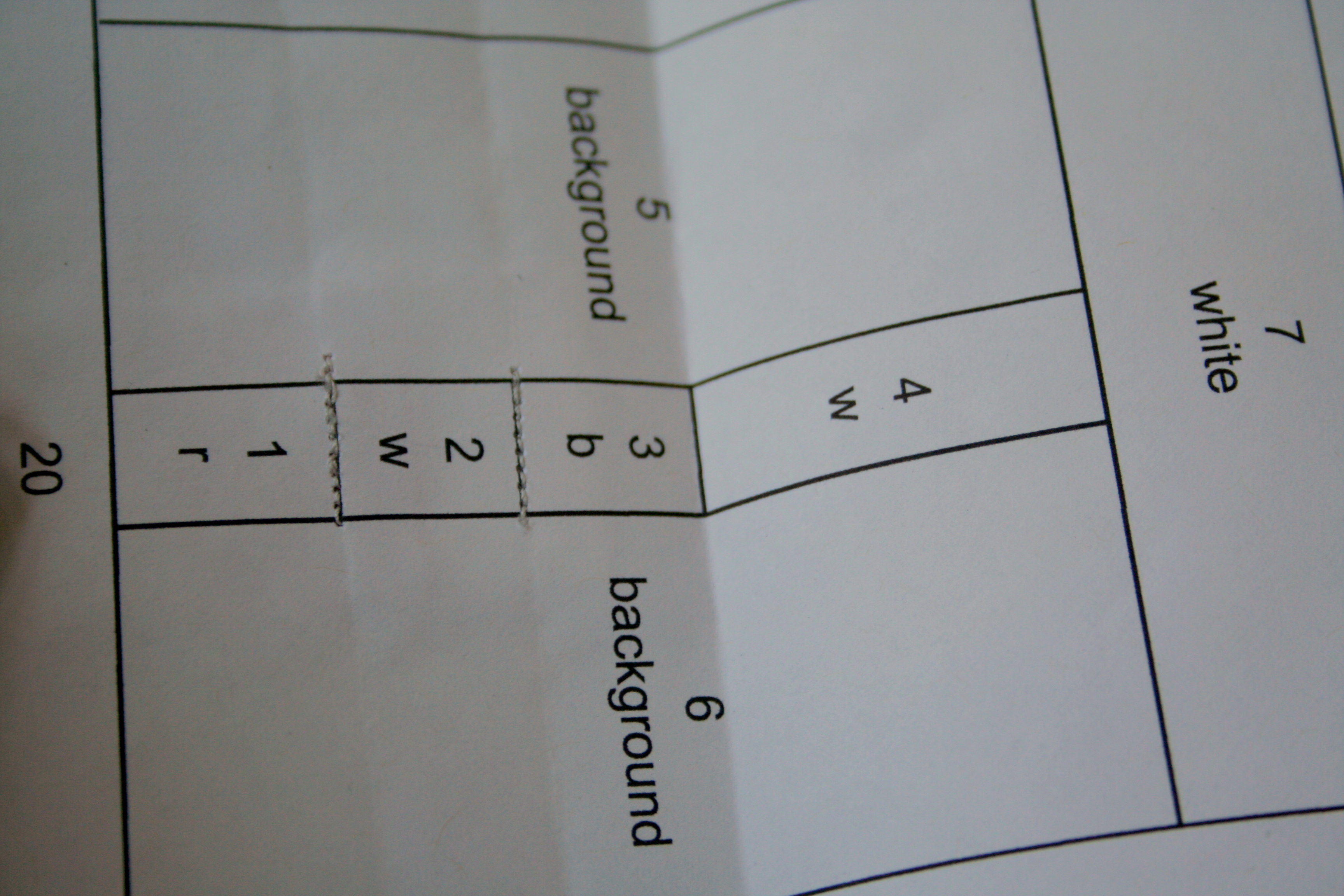
accurate seams in paper piecing

First, fold the paper along the seam line between pieces 3 and 4.
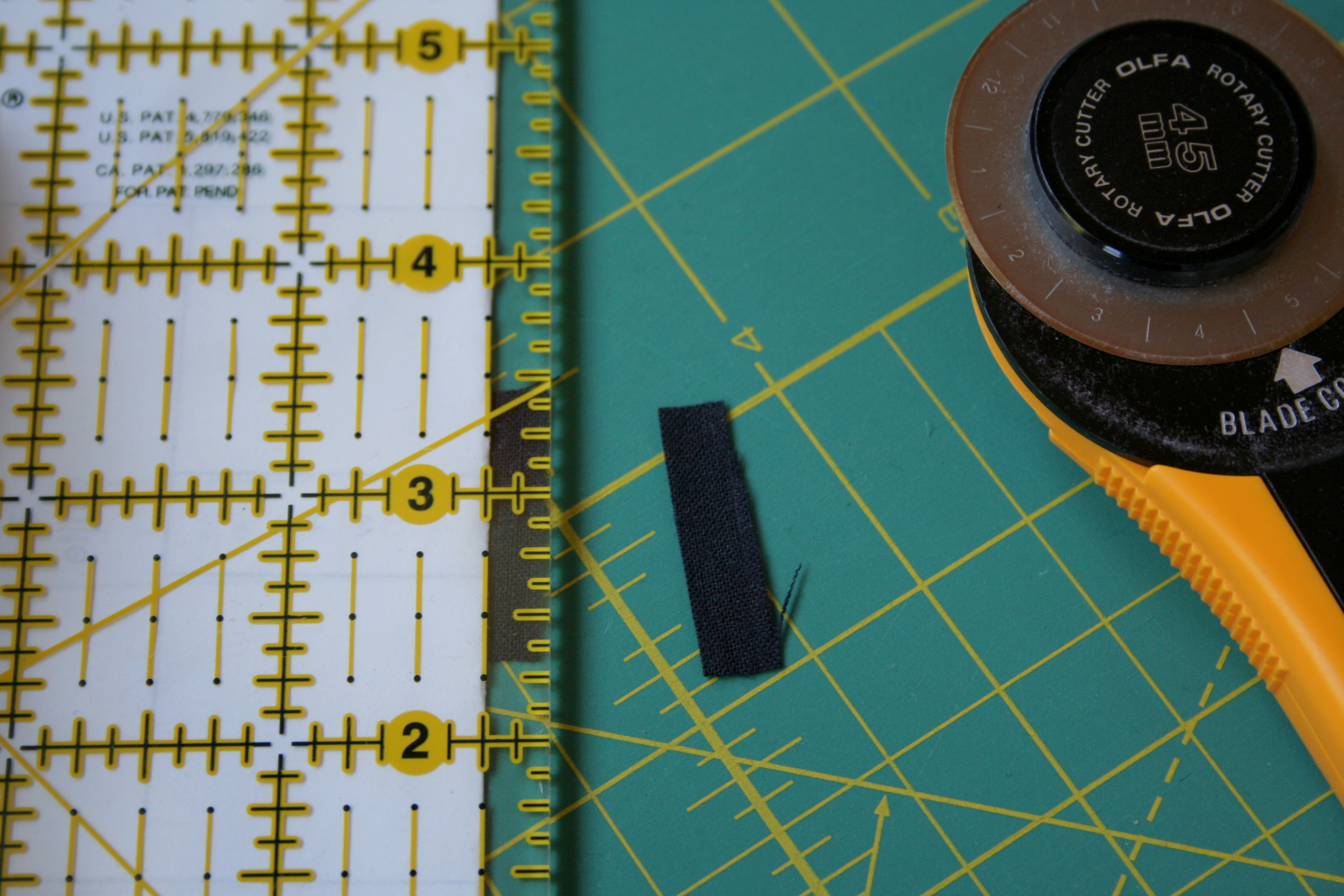
IMG_1508

With paper folded over, trim the excess of piece 3 to 1/4″ beyond the fold. This will give you an accurate edge with which to line up the edge of piece 4.
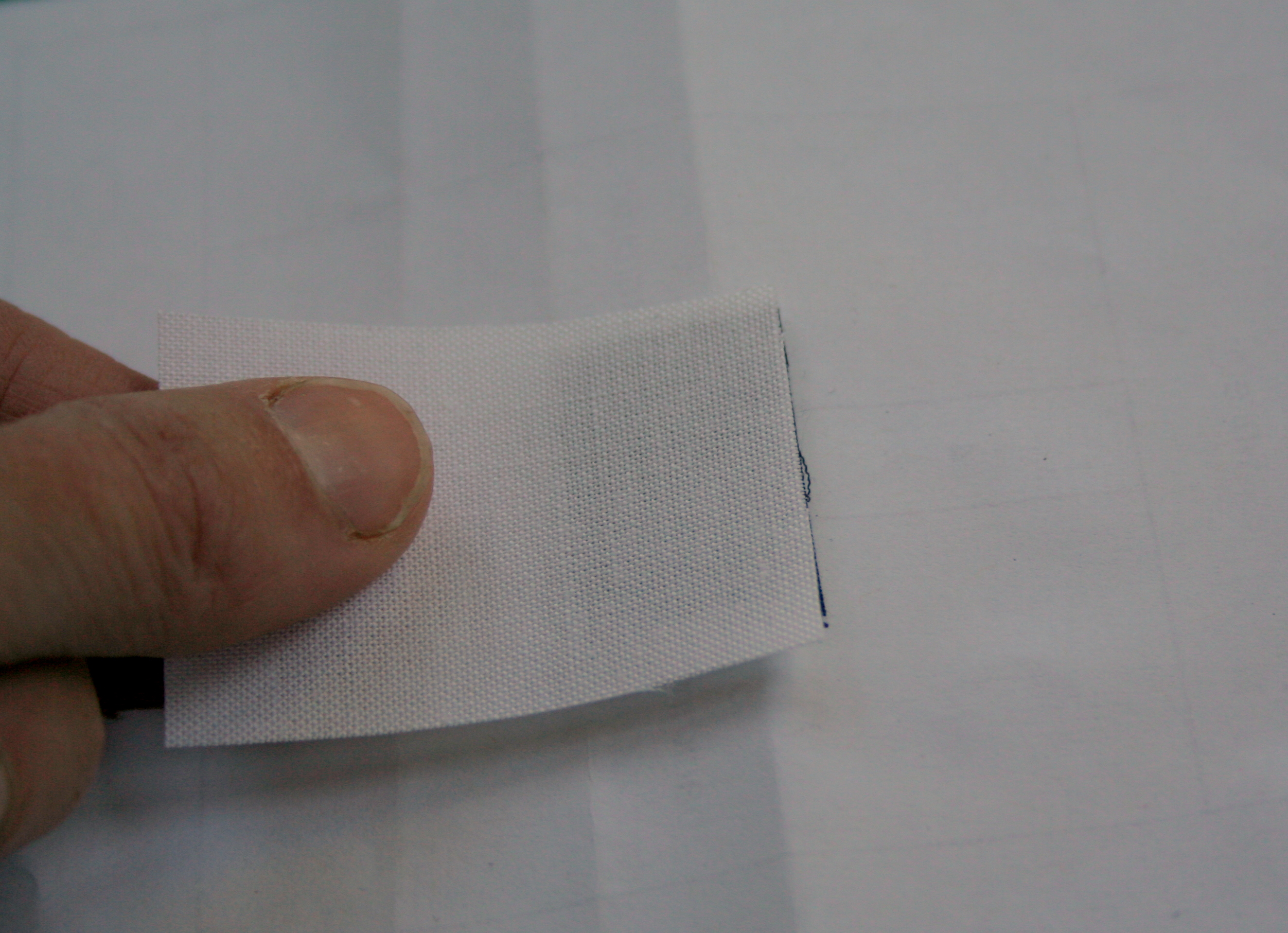
line up perfect seams

When lining up piece 4 (white) with the edge of piece 3 (black), if you match the edges, the seam will be exactly 1/4″.  Note that the right side of fabric 4 is facing the right side of fabric 3. Hold in place, sew, and you’ve got as close to a perfect seam as you’re going to get!

Tips for Using Directional Fabrics:
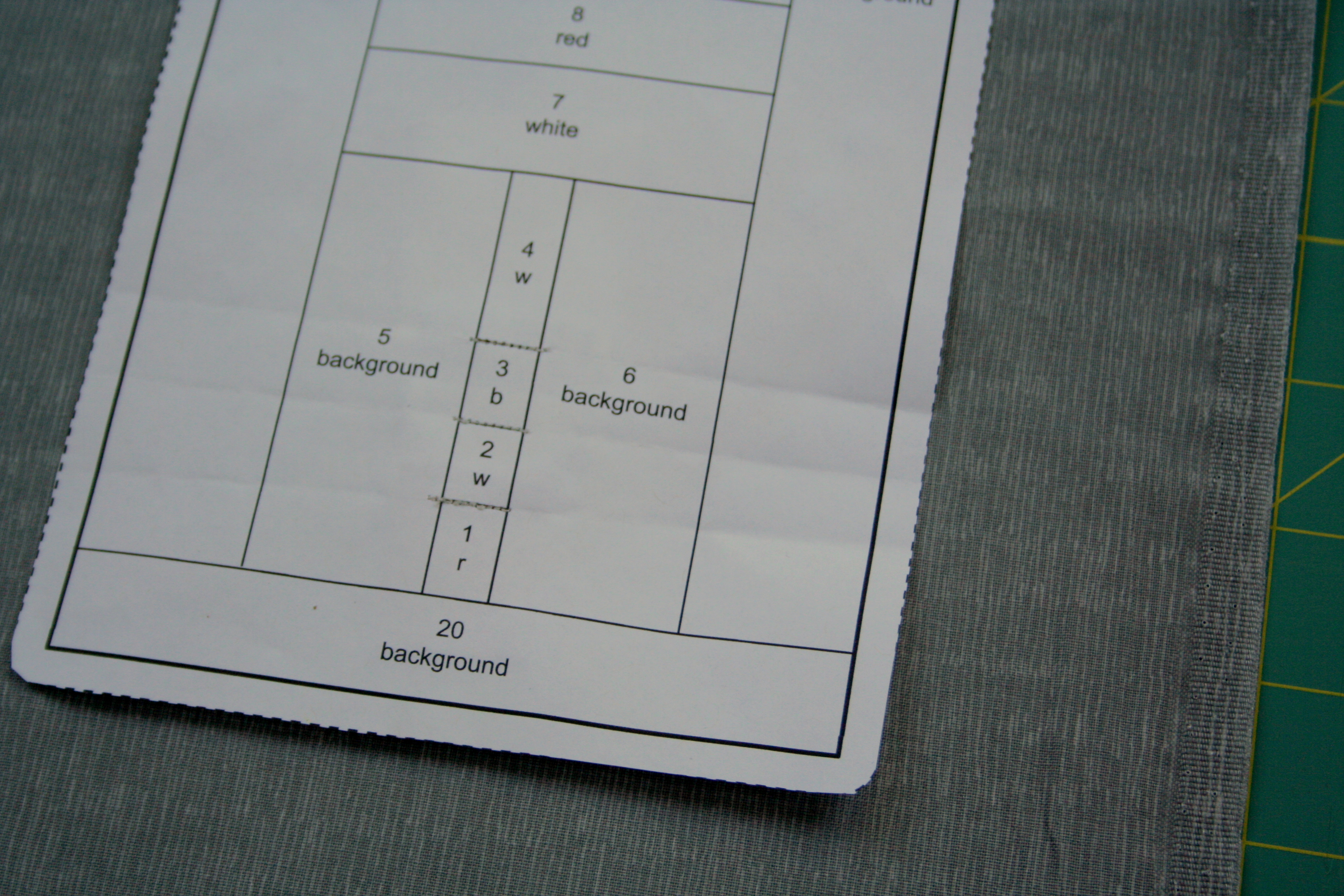
directional fabric and paper piecing

Using fabrics without a directional flow is fairly straight-forward, but if you are using a fabric with a directional pattern that you’d like to keep consistent, it takes a bit more forethought when you cut. First, line up your pattern and your fabric to decide in what direction the fabric should go. To cut the fabric, position the pattern with the printed lines up, and the fabric wrong side facing up.  This way, since you are creating your pattern on the back, the shape of the fabric piece will be accurate (note that the above photo shows the fabric right side up, before pieces were cut).
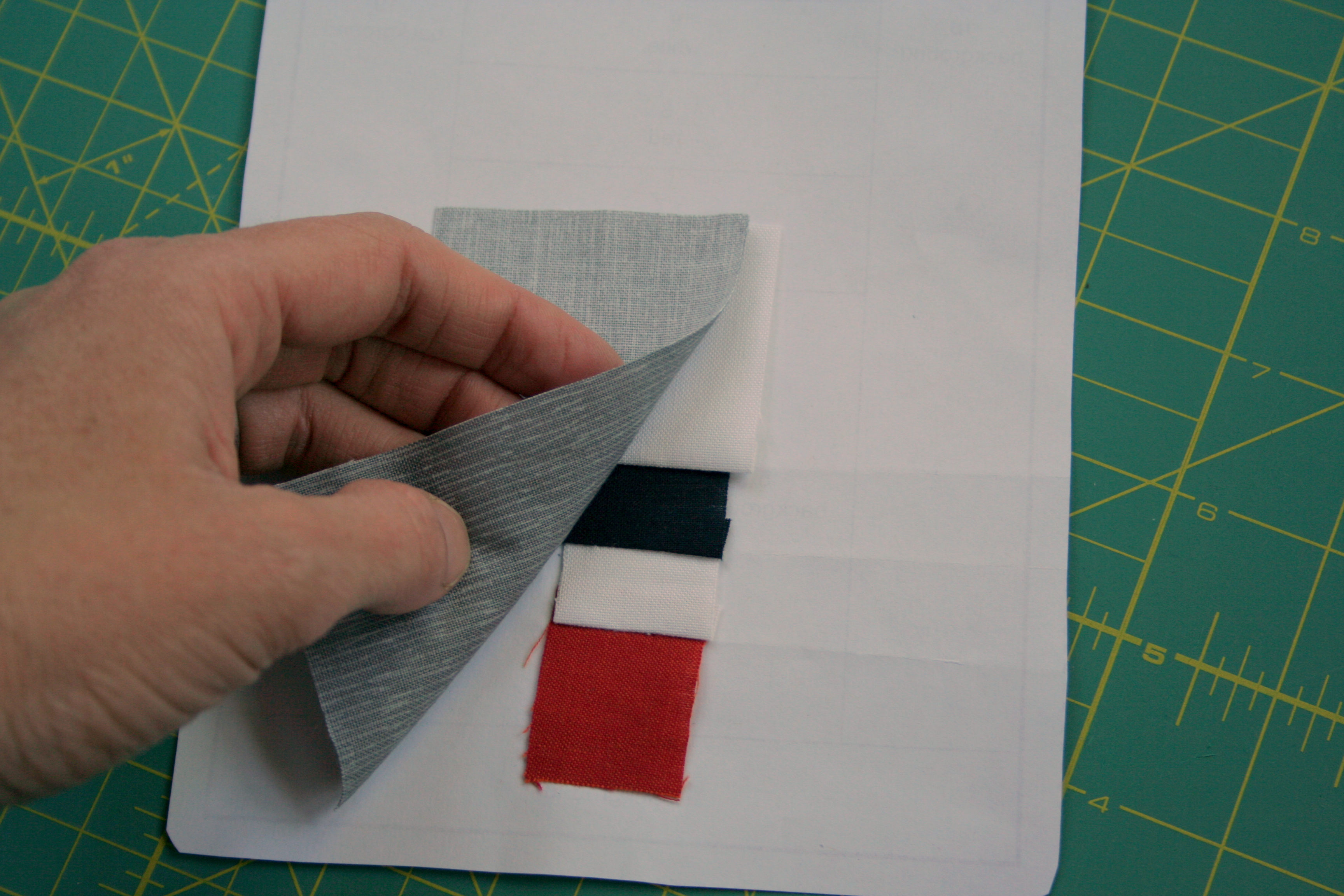
IMG_1518

Once your piece is cut, proceed as usual, paying close attention to the direction of the fabric. Remember, right side of fabric piece is placed facing the right side of the emerging picture, on the wrong side of the foundation paper.
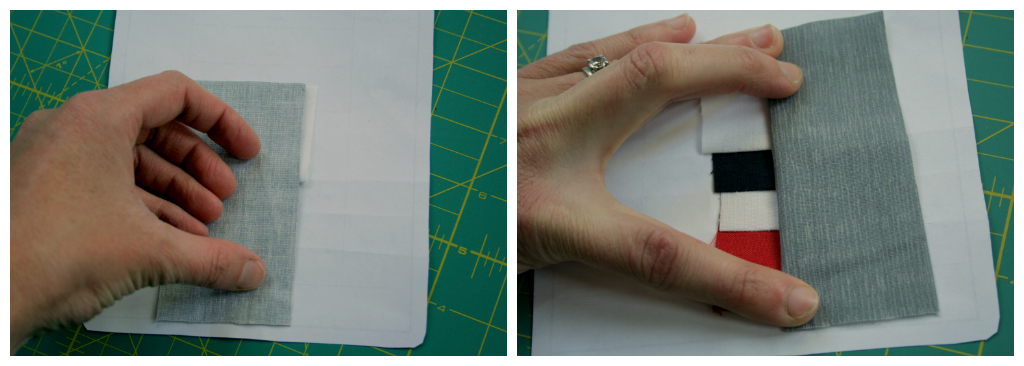
check direction

Until you get the hang of aligning the fabric correctly, it’s a good idea to check the direction of the fabric before sewing. Unpicking paper pieced (tiny stitches!) seams is less than desirable (trust me, I know!). To check the fabric direction, simply place the fabric wrong side down, hold along seam line, and fold back. Once you are sure the direction of the fabric is the way you want it, fold it back and sew.

Tips for Tricky Angles:

Many angles in basic paper piecing patterns are fairly straight forward. Sometimes, though, you have an angle that really makes you crunch your brain to properly line up the fabric before sewing so that it fully covers the necessary space with seam allowances. Rather than sew, unpick, sew, unpick, sew, unpick, here are some tips to help get it right the first try.
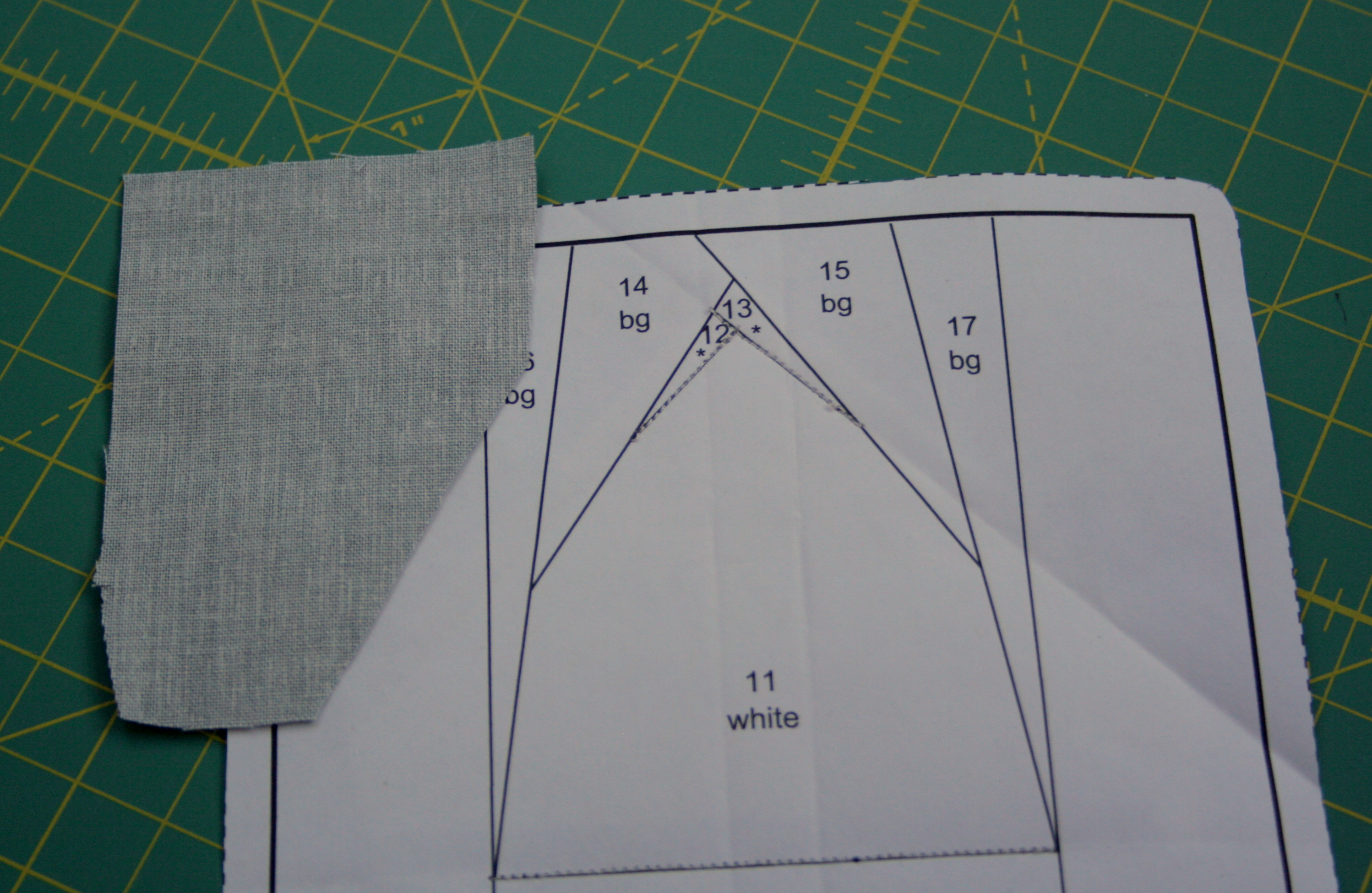
conquering tricky angles in paper piecing

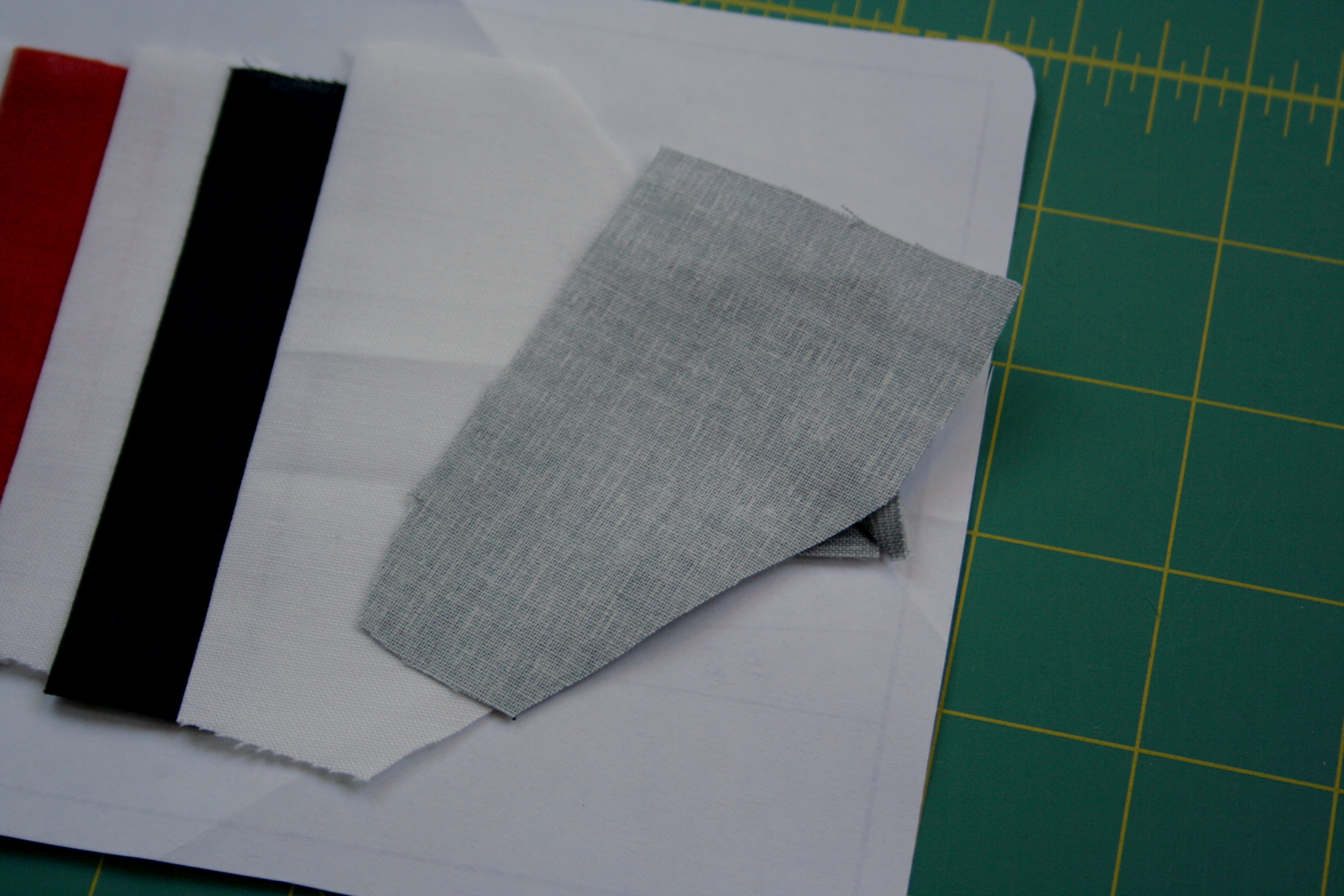
Here I’m trying to piece section 14. When cutting my fabric piece, I’ve been generous with size, and included the angle of the seam I’m about to sew. Note that the fabric is wrong side up, with my foundation paper right side up.
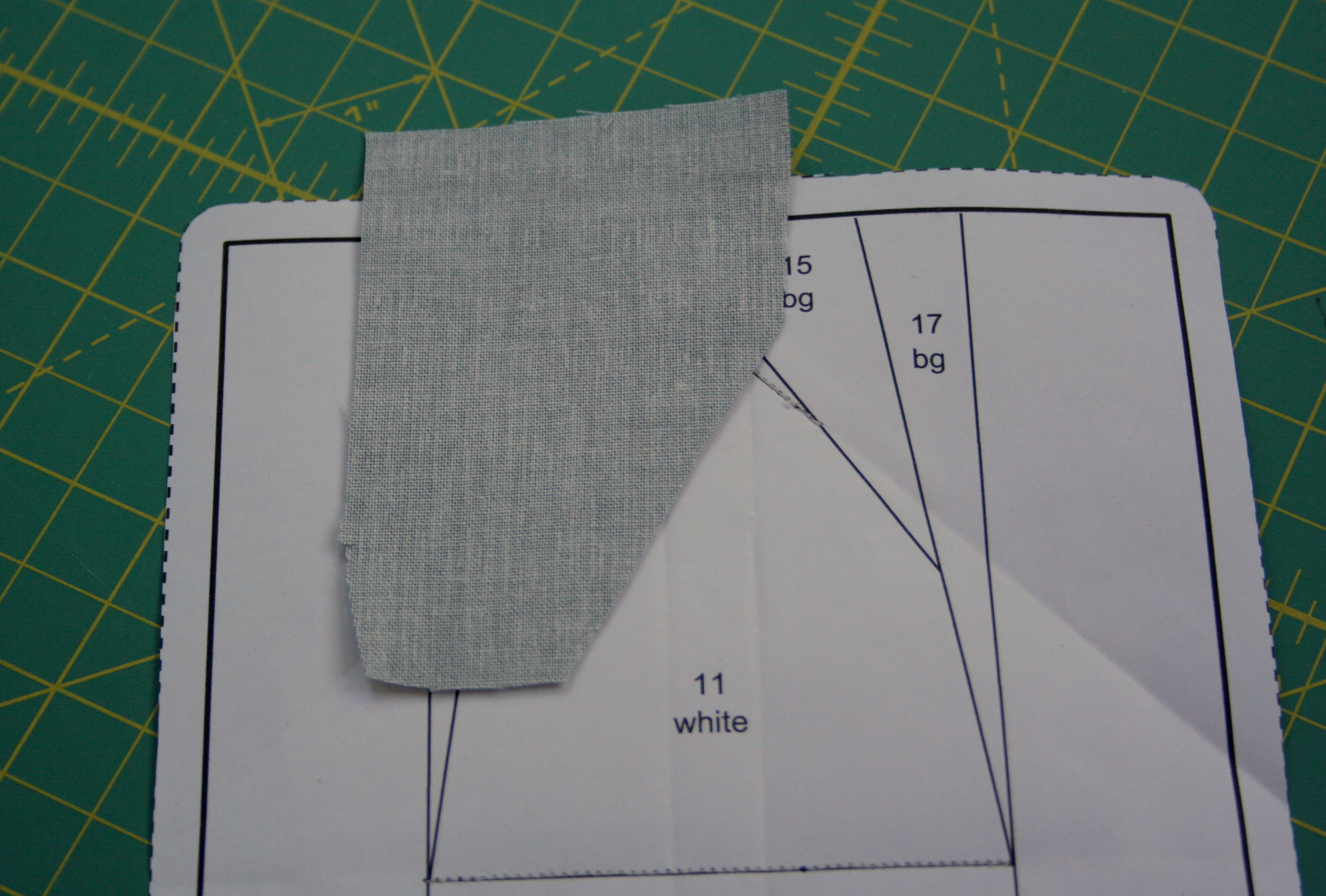
conquering tricky angles

The fabric piece generously covers the space needed, with lots of wiggle room. The angle cut into the piece is key, since that will help align the seam correctly. If just eyeing the angle while cutting doesn’t work for you, you can put your pattern paper on top of your fabric, and using a Herra marker, deeply mark the seam line. Add 1/4-1/2″ to all sides and cut your fabric piece.
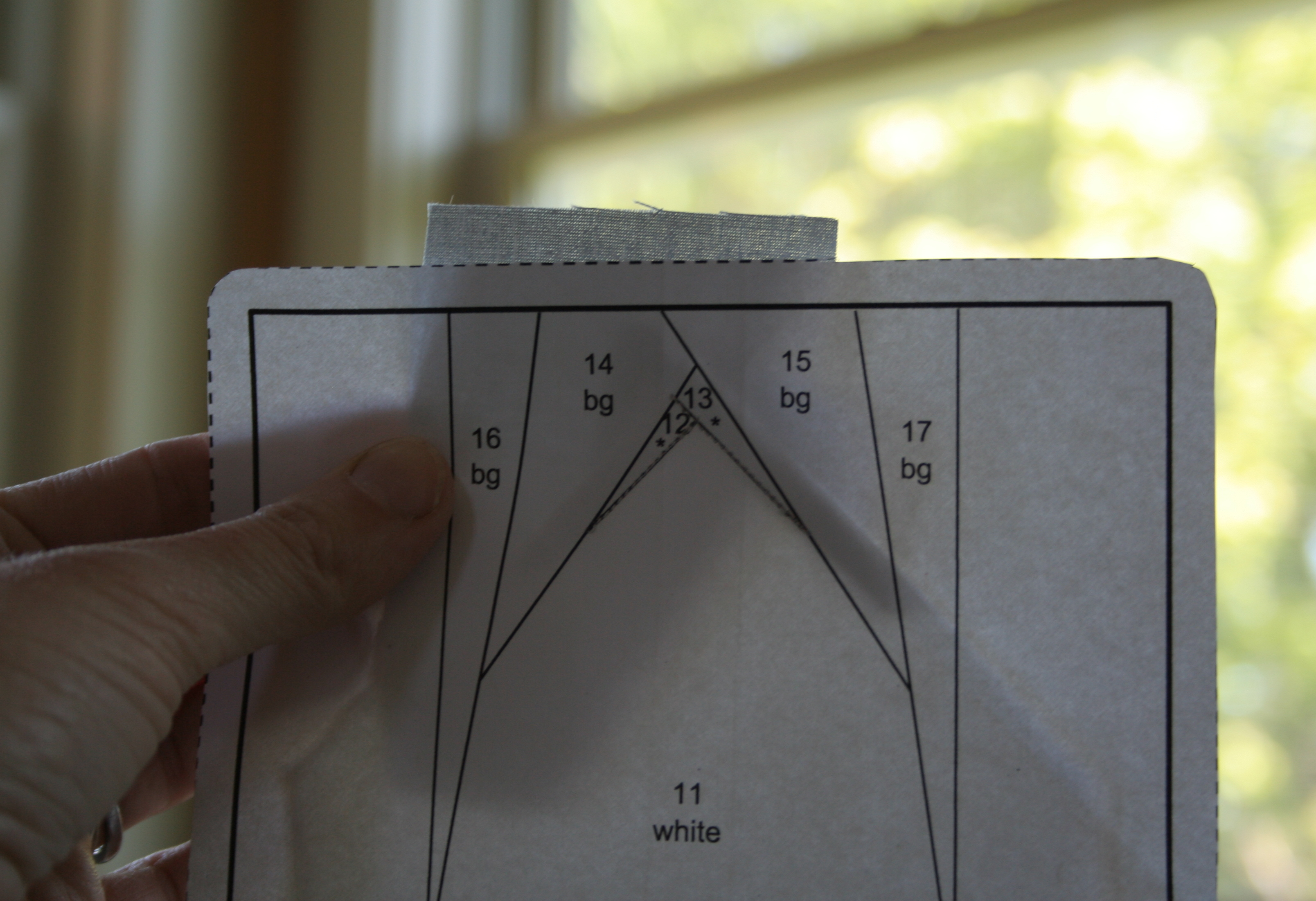
IMG_1534

Holding it up to the light, I can see that my fabric piece covers the space, extends amply beyond the seam allowance, and that the general angle of the seam line is consistent with the angle of the fabric piece.
IMG_1535

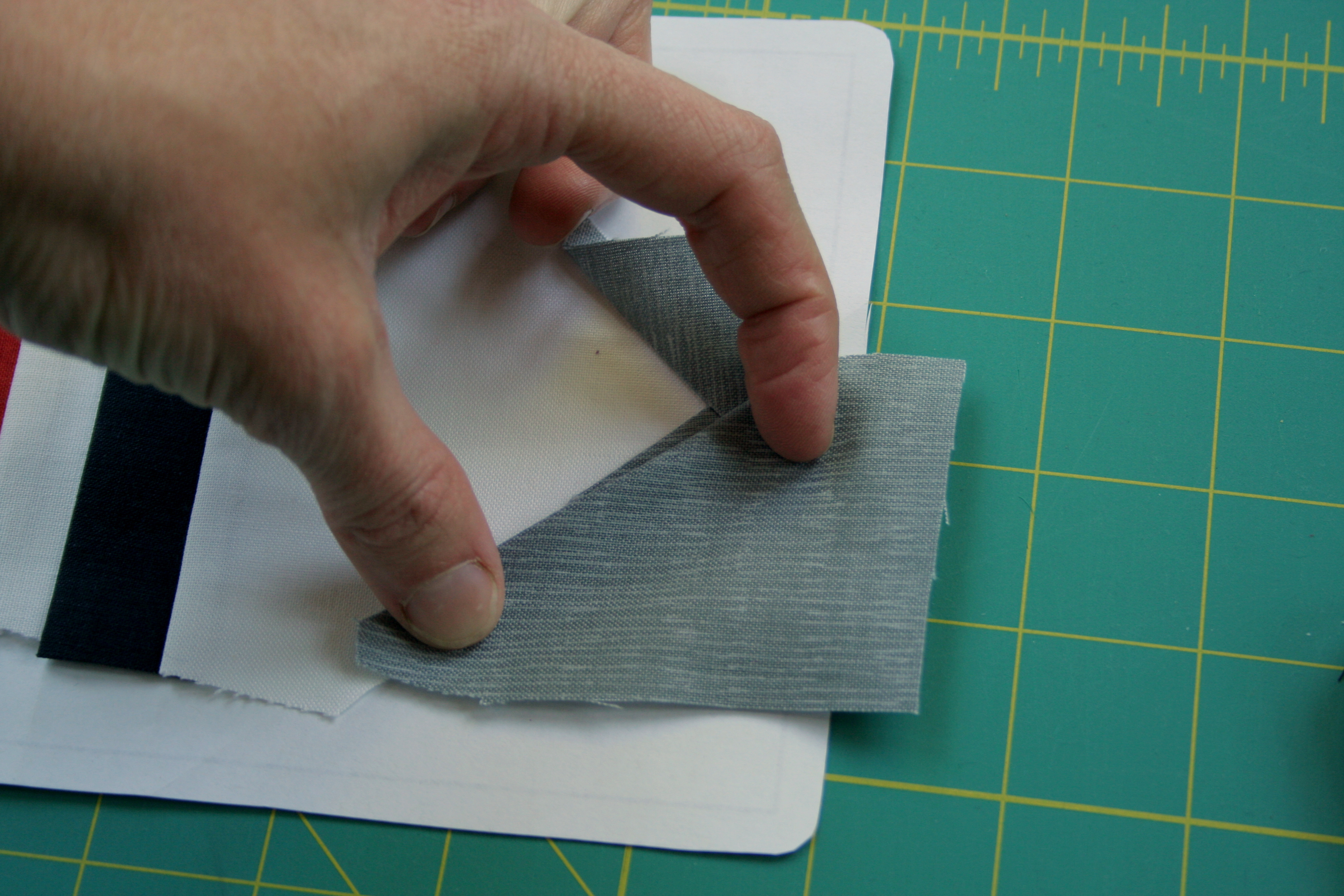
Here’s the tricky part. Placing your fabric right side facing the wrong side of the foundation paper, line your angled seam edge with the seam line on your block. It will look wonky, and may seem like it is headed in the wrong direction.
conquering tricky angles in paper piecing

Fold along the seam line to ensure the fabric will cover the correct area. Once satisfied that it’s all lined up properly, fold back and sew the seam. With particularly wonky angles, I sometimes pin along the seam line, both to ensure I’m accurately checking the fold, and to hold the fabric in the proper place before sewing.

So now you’ve got the basics of foundation paper piecing! Once your entire block is pieced, square up the edges being mindful to keep the 1/4″ seam allowance around the block if you plan to sew it into a quilt, pillow, or just about anything else.
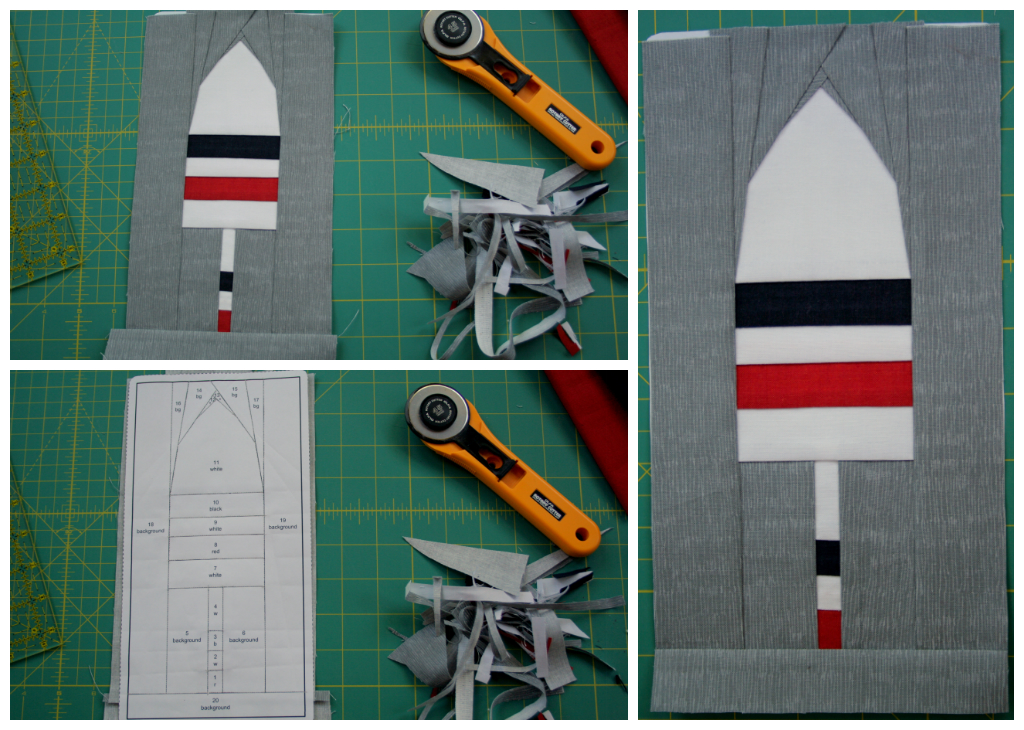
completed block

I often will leave the paper on if I plan to sew the block to another paper pieced block, since the 1/4″ seam allowance line helps me with accurate sewing. If you are already a pro at 1/4″ seams or are planning on using a single block for your project, now comes the fun part–removing the paper!
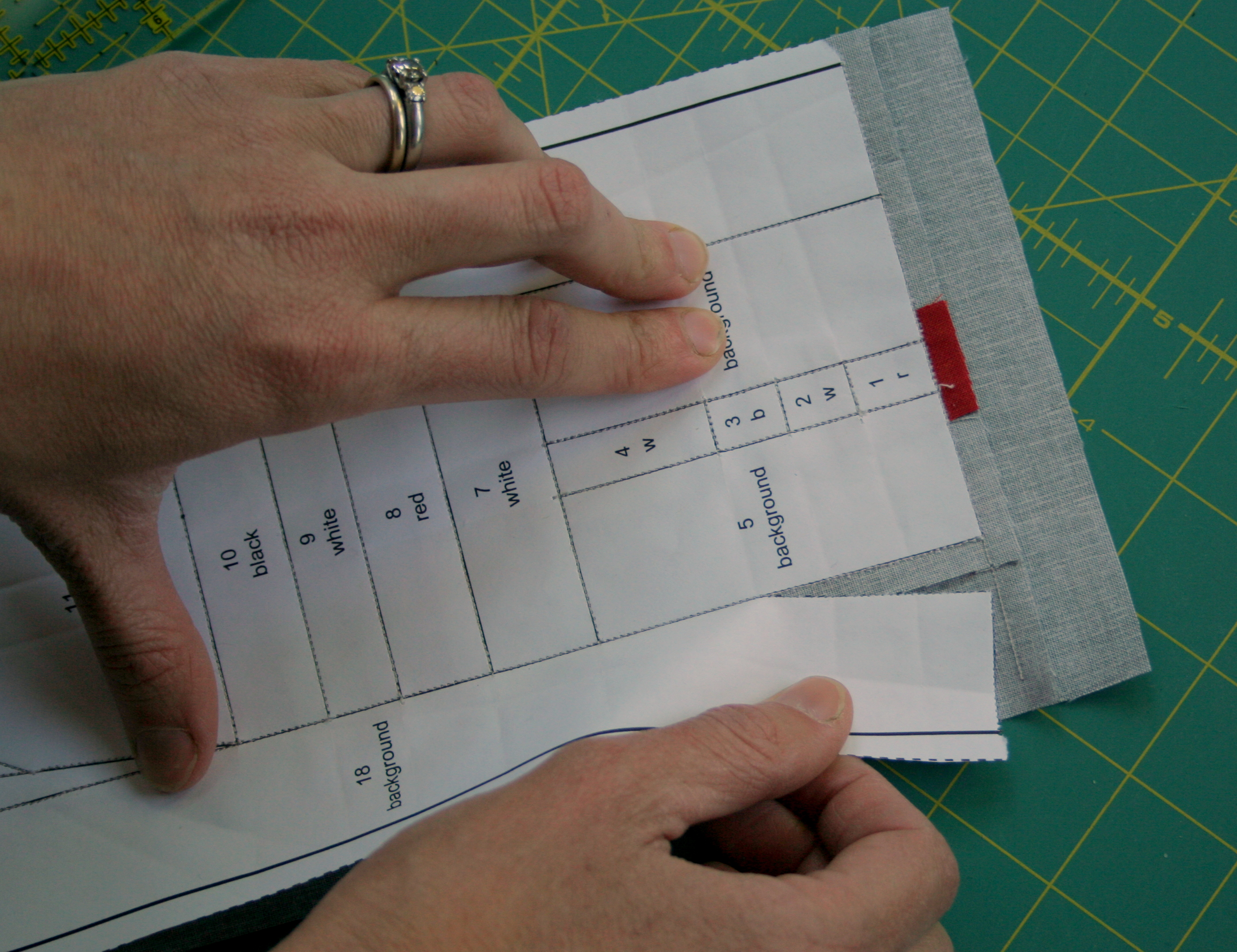
removing the foundation paper after piecing

To remove the paper, gently tear away, holding the main block in place and pulling gently away and to the side, similar to how you would tear any perforated piece of paper. With your narrow stitch length, the paper should come away easily.
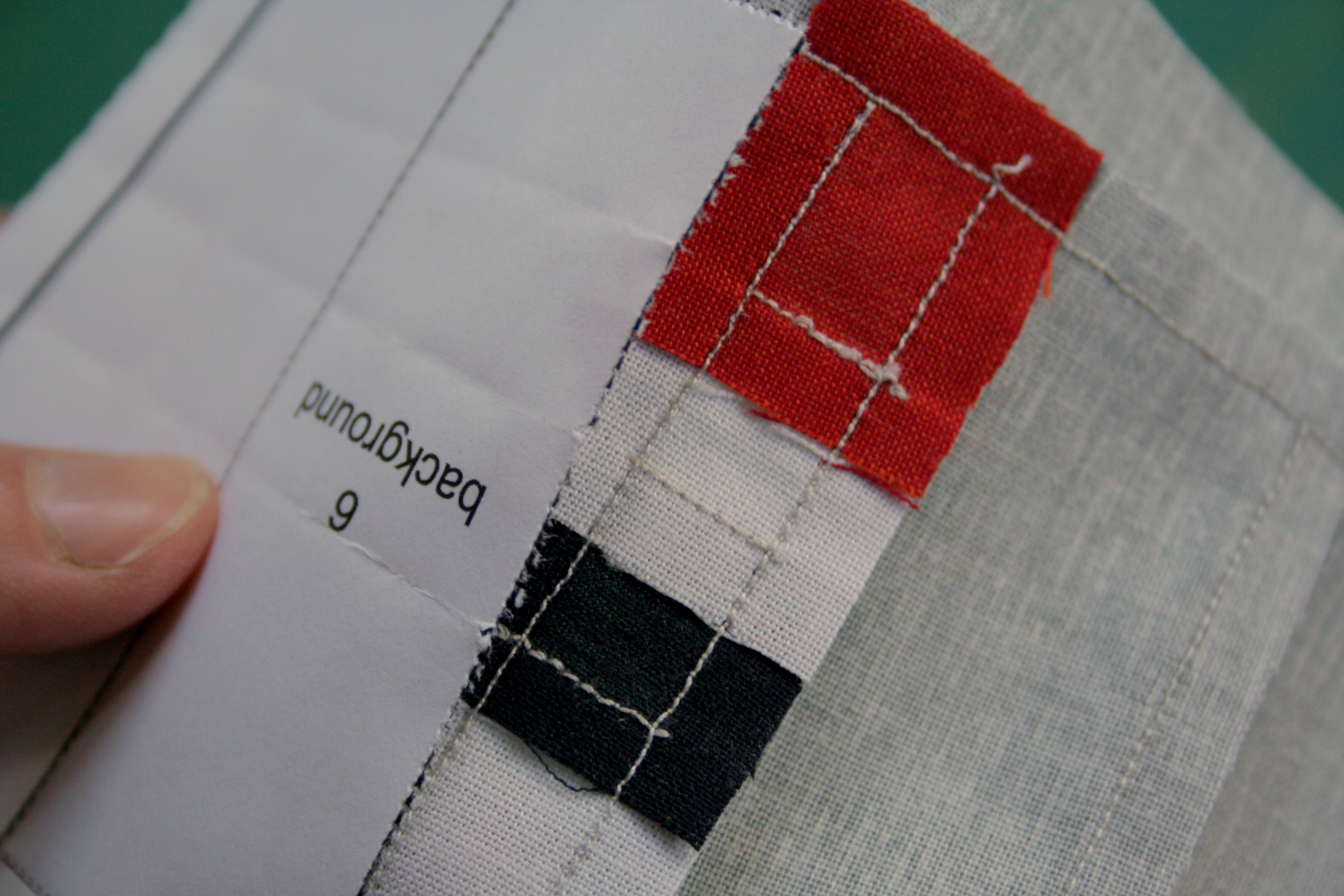
easy paper removalOnce one side of the paper is off, the other side often will just pop out. Go slowly and tear gently to ensure your seams stay tight. If you end up with bits of paper stuck in the seams, carefully use blunt tweezers to remove the final bits. Alternately, I’ve heard that spraying the paper with water helps with removal. I haven’t had to try it yet, though, so can’t vouch for the method.
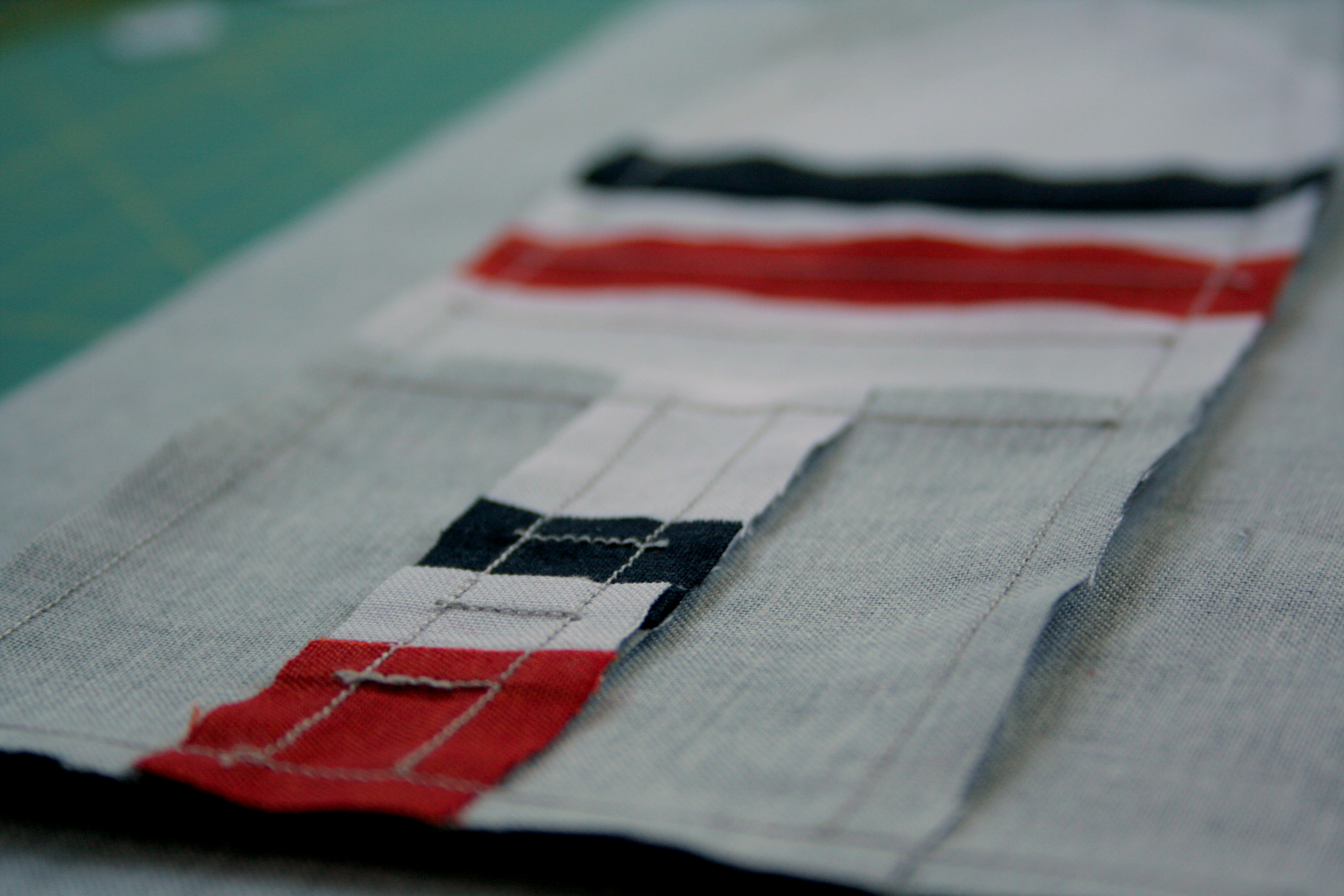
enjoy the back of your paper pieced block!I just love the backs of paper pieced blocks. The precision and accuracy, all the little seams that are proof of my cut, line up, sew, fold & trim, press marathon… they make me happy. Take a good, long, admiring look at the back of your block, and then flip it over and admire your finished block. Gorgeous!

I hope this tutorial was helpful, and that you enjoy paper piecing as much as I do. Coming soon on my blog, I’ll talk about what’s next; now that you’ve made your paper pieced block, what can you do with it!?

Do you have any other tips for beginner paper piecers?


Sneak Peek: Fabric Stash Swap!

We’ve been having a lot of fun over in the Late Night Quilters Club on Facebook, the group I started with Stephanie and her friend Michelle a few weeks ago. Tomorrow that fun is about to go up a few notches. If you haven’t joined our group yet, now would be a good time to do so!

LNQC-cover-4

Tomorrow kicks off a brand new weekly event–Tuesday Fabric Stash Swap! We decided to keep it at swapping rather than buying and selling, and it will be a great way for all of us to destash the fabrics we’ve loved but that haven’t found their way to any projects, while at the same time swapping for new-to-us fabrics to help bolster our stashes. The swap is also open to quilting tools and notions. I am super excited!

I’ve fairly recently entered the quilting world, and my SAHM budget doesn’t allow any major fabric splurges, so my stash is teeny tiny. Even still, I have a few fabrics I bought with the intention to use, but that just haven’t found their way into any of my projects. I figure it’s a good time to pass them along and see what else comes my way.

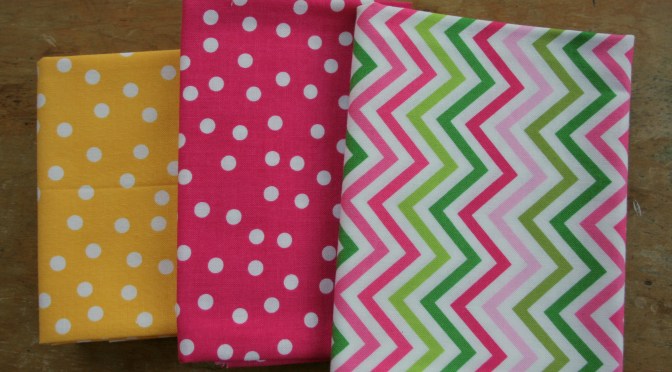
The swap goes live tomorrow, but here’s a sneak peek at what I’ll be offering to swap:

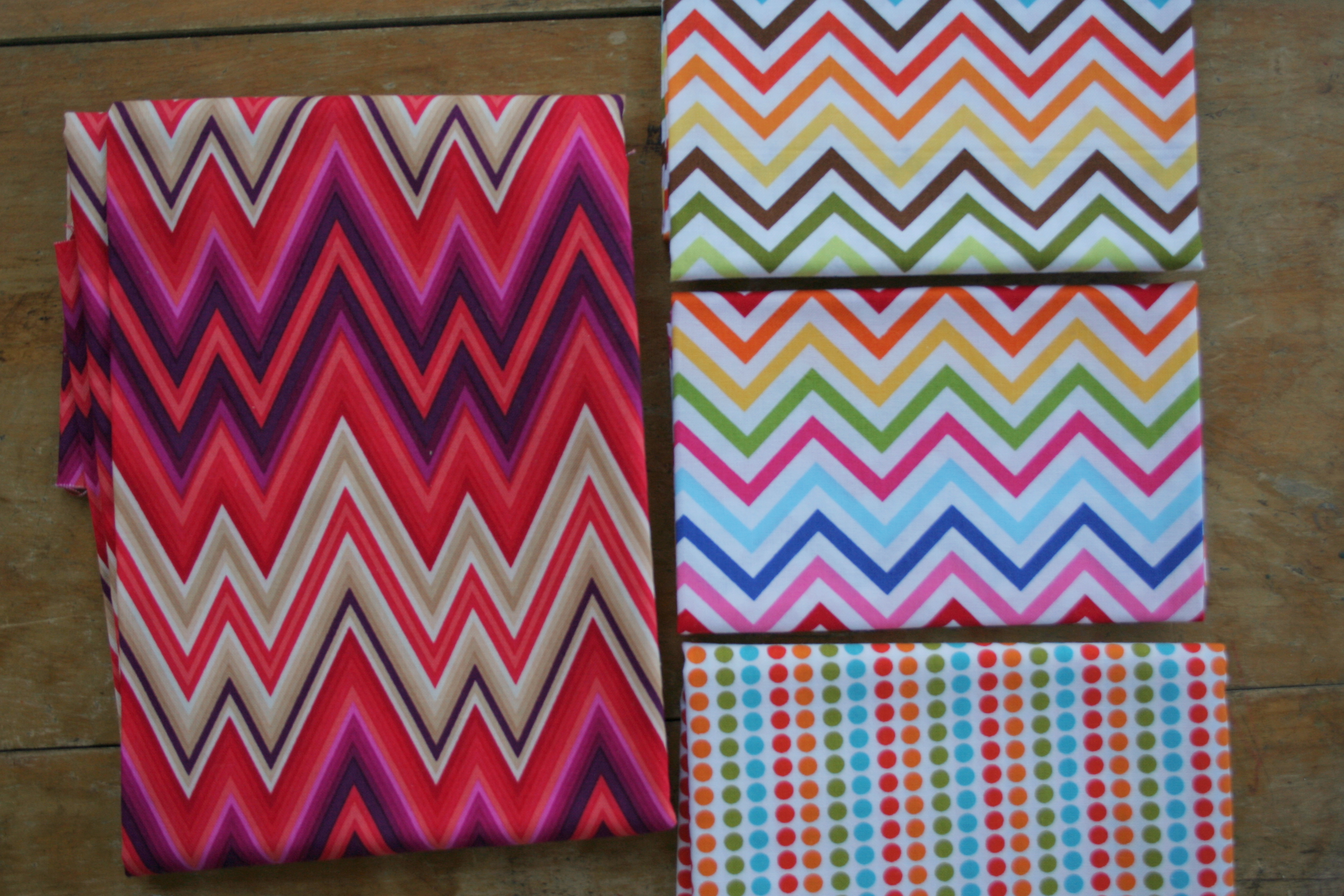
chevrons and dots

Chevrons and Dots

  1. “Mixxoni” by Greta Lynn for Kanvas Studios in association with Bernatex: 1/2yd
  2. Remix by Ann Kelle for Robert Kaufman, Bermuda Chevron: 18″x21″ (a hair shy of a fat quarter)
  3. Remix by Ann Kelle for Robert Kaufman, Bright Chevron: 13″x20″
  4. Remix by Ann Kelle for Robert Kaufman, Spring Dots: 10″x44″

I’ve tried to love chevrons, really I have. I know they are all the craze in the modern quilting world, and I do like large chevron patterned quilts, sometimes. I bought these chevrons thinking that one day they would just hop successfully into a project, but lo… here they still sit, lonely as ever. I know that many quilters love chevrons, so I hope that they find a happy new home.

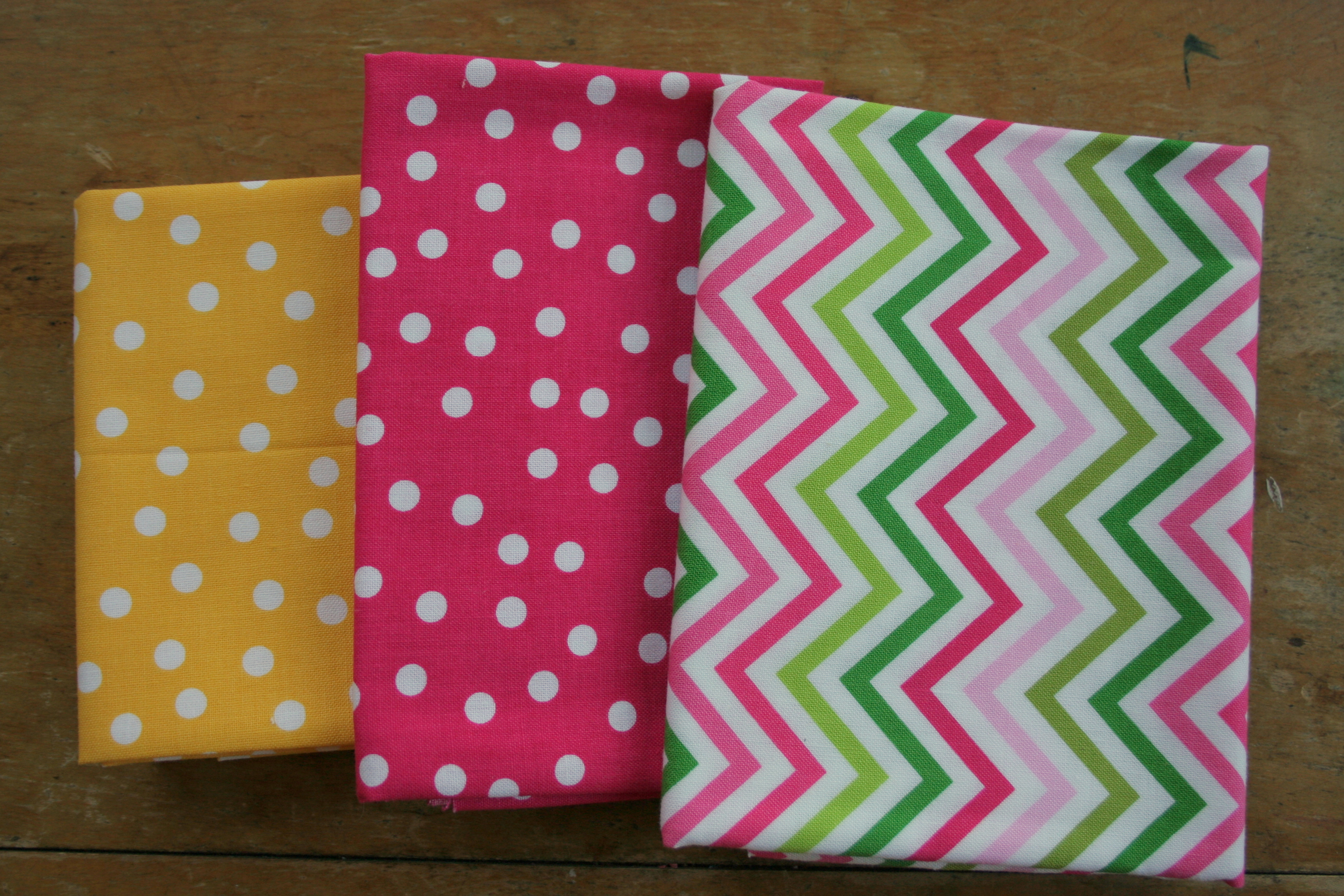
watermelon scrap pack

Watermelon Scrap Pack

  1. Remix by Ann Kelle for Robert Kaufman, Summer (Yellow dots): 22″x25″ 
  2. Remix by Ann Kelle for Robert Kaufman, Bright (Pink dots): 21″x14″
  3. Remix by Ann Kelle for Robert Kaufman, Garden Chevron: 1/2 yard

These fabrics are super cute, and despite the chevron I kinda love them. They would make a really cute watermelon table topper or other summery kitchen decor. I would hold on to them, but my list of works-in-progress is long enough as it is, so I’m letting go.  Let it go, let it go! Can’t hold it back any more! (sorry, I have toddlers)

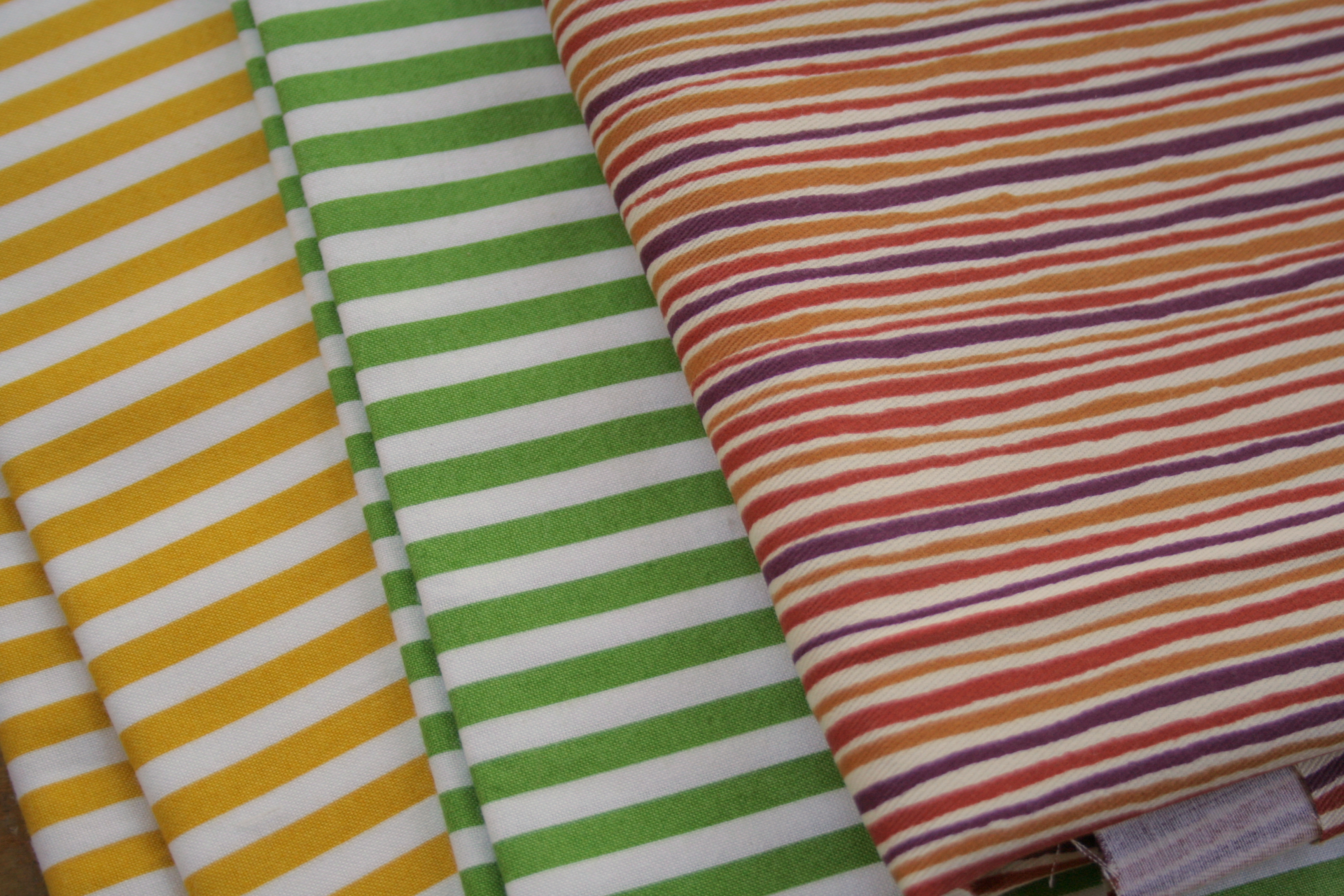
stripes

Stripes

  1. Sis Boom Basics by Jennifer Paganelli for Free Spirit, Westminster Fibers, Eliza Stripe (Yellow): 1/2 yard
  2. Sis Boom Basics by Jennifer Paganelli for Free Spirit, Westminster Fibers, Eliza Stripe (Green): 1/2 yard
  3. Richloom Odilon Twill, Jewel: 1/2 yard 

When I first started quilting, I joined up with the Spool Along hosted by Laura at Adventures of a Quilting Diva. Since I had next-to-no striped fabric with which to make my spools of thread, I went a bit crazy and bought way more than I needed some. I’ve since realized that the fabric doesn’t have to be striped to make a good spool, and I’ve decided to downsize my stripes a bit. So here you go!

If any of these bundles strike your fancy, be sure to check out the Late Night Quilters Club Stash Swap tomorrow!

What fabrics are you looking to add to your stash?


Color Inspiration Thursday {3}

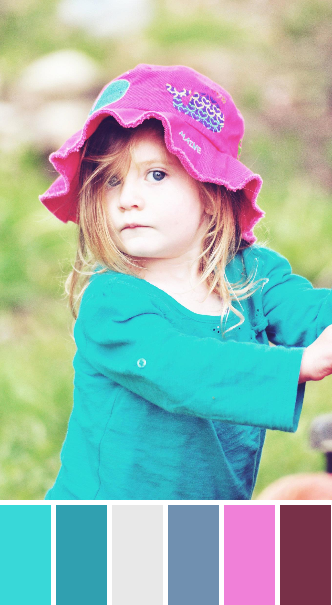
Today I thought I’d mix up our color inspiration a bit and use photographs from someone other than myself. Were you getting tired of nature and flower photos? I hope not, but either way, this week will act as a little break. I was going through my photo files looking for some good brights (who doesn’t love brights?), and I found a couple of gems taken by my dear friend Brittany from Brittany White Photography. Both photographs are of my daughter, and I love reminiscing to the days when she was such a wee itty bitty girl. And oh, the color!

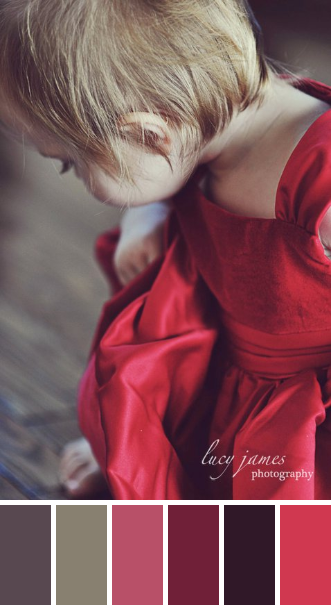
red color palette

Corresponding Kona cottons from left to right:
Coal, Mushroom, Deep Rose, Crimson, Raisin, Cardinal

This photograph was taken years ago, when Brittany was first starting out her photography business and went by the name of Lucy James Photography. My daughter is exactly one year old in the photo, yet I gasped when I saw it since it evokes feelings of maturity that I had not yet associated with my baby girl. The colors pulled from this photo are both soft and elegant, and I could see them in a comfortable lap quilt draped across a living room couch, or even as a king quilt in a master bedroom suite.

bright teal palette

Corresponding Kona cottons from left to right:
Pool, Breakers, Silver, Denim, Candy Pink, Crimson

And so quickly, she grows. A year and a half later, my daughter was captured wearing my favorite colors, seriously. This is exactly the palette I was seeking when I set out to find this week’s color inspiration, and I’m grateful to Brittany for eagerly agreeing to my use of her photographs in my palettes. Anyone who has been following my latest sewing projects knows that I’m absolutely STUCK on these colors. Turquoise, magenta, a bit of silver (low volume): I’m a happy quilter!

I just love Brittany’s photography; she captures such depth of soul and beauty in all of her subjects. Check out her website or her blog for some more portraiture eye candy, as well as for bits of inspiration and tips (while not specific to quilting, this 6 tips to better photos post is quite helpful!).

While we are on the topic of inspiration, last week I read a blog post that I think any creative person can relate to. Cheryl Arkison of Naptime Quilter wrote an honest and open post about being in a creative slump. This is from the author of popular quilting books Sunday Morning Quilts, and A Month of Sundays, with another manuscript underway! Yes, even the famous quilters get into a slump. Even the big names grow in bitterness and frustration at a continuously cluttered house. I’m not alone in this. There was something releasing in reading her blog post. It helped me to realize that we all feel the daily frustrations and at times get into slumps where creativity just won’t happen, AND that there are steps that can be taken to help emerge on the other side. I asked Cheryl if I could share her list of suggestions for getting through a slump, and she said yes:
– Keep sewing. Keep your muscles moving, your brain activated to the process.
– Finish something, anything.
– Take inventory of the WIPs, admit that you won’t finish some and pass them on.
– Wash the windows, or get them washed. New light, clean light will highlight the path and let the butterflies in.
– Try a new technique.
– Give away a quilt, a finished quilt.
– Say no to a commitment.
– Get up early to sip tea and do nothing in the quiet morning light.
– Colour, paint, or create with your kids.
– Turn off the computer, walk away from Pinterest and Instagram
– Put away the inspirational stack of fabric you pulled out two years ago.
– Sign up for a swap or bee.
– Take a road trip, even if just for the day.
– Have faith in yourself.

I love this list. So many resonate with me, and I think that final tip is so key. Have faith in yourself. For me, sewing and creating in general is an outlet of creative energy and my attempt to make beautiful things daily. If sewing begins to make ugly things, even in my mind, then perhaps it is time to go paint with the kids, put the fabric aside, and open the window so that the butterflies can come in.

I would add “Lay in the grass and look closely at nature” to this list, since getting a close look at the bees busily buzzing from flower to flower renews my awe at the world. And for me, where there’s awe, inspiration flows.

What suggestions do you have for getting out of a slump? Perhaps search for color inspiration everywhere you go? *wink wink*

Color Inspiration Thursday {2}

Yesterday when I checked the forecast for today and the next three days, it said “rain, rain, rain.” We woke up this morning to a bit of drizzle, but blue skies. By the time I got home from dropping my daughter at preschool, it was sunny and gorgeous, as it remained all day. Needless to say, we spent the day outside!

Now that night has fallen and my kiddos are sleeping, it’s time for me to keep my word and post my second weekly Color Inspiration Thursday. As I explained last week, on Thursdays I plan to post a color palette or two that I have created using the Play Crafts Palette Builder and my old photographs. I will also include the corresponding Kona Cottons since the Palette Builder lists them for me!

My hope is that these palettes help inspire you, maybe spur an idea for a new quilt or sewing project, or even just brighten your day and trigger those happy aesthetically-driven feelings. Even if you didn’t get to enjoy a sunny day filled with spring-time joy, new blooms, and keeping-the-bugs-at-bay breeze, here’s your dose of color:

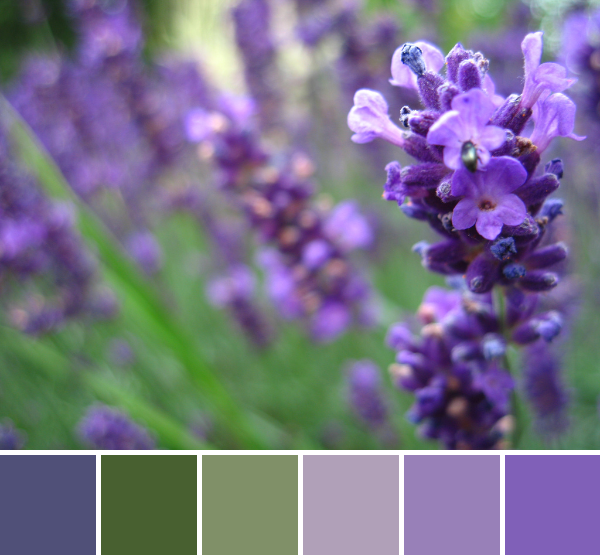
lavender color palette

 Corresponding Kona cottons from left to right:
Cadet, Avocado, Sweet pea, Pansy, Wisteria, Magenta

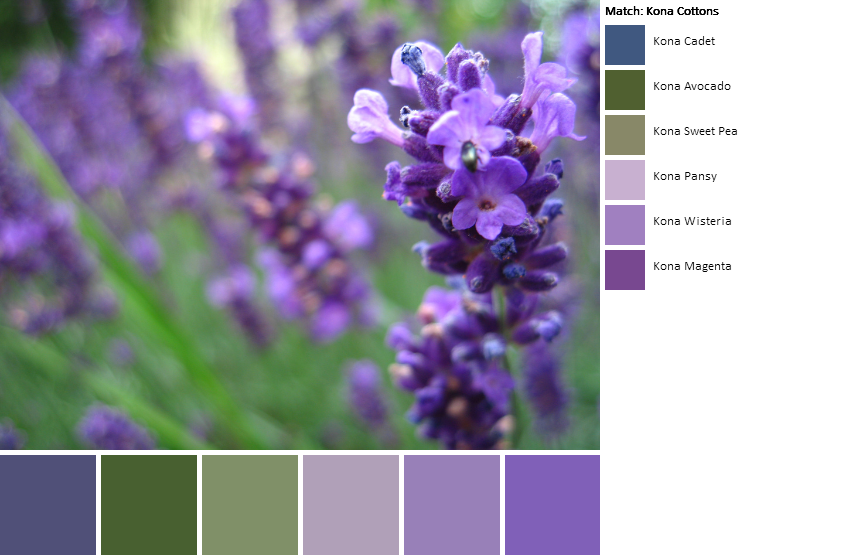
For this palette, some of the Kona matches were a bit of a stretch (specifically the colors on the outer edges–do they look like cadet and magenta?), but when looking at the Kona colors together, I almost prefer them to actual colors pulled from the photograph.

palette with kona cotton coordinates
The coordinating Kona cotton thumbnails are shown above. I like the cadet–a little bluer, and the magenta–a little brighter!

Regardless of whether you go with the range of purples from the photo, or the Kona colors chosen to match, I could see these colors becoming a quilt for my late Grammy June. Grammy was the sole quilter in the family, and my inspiration to begin quilting. She loved purple! I have to say: purple is certainly growing on me.


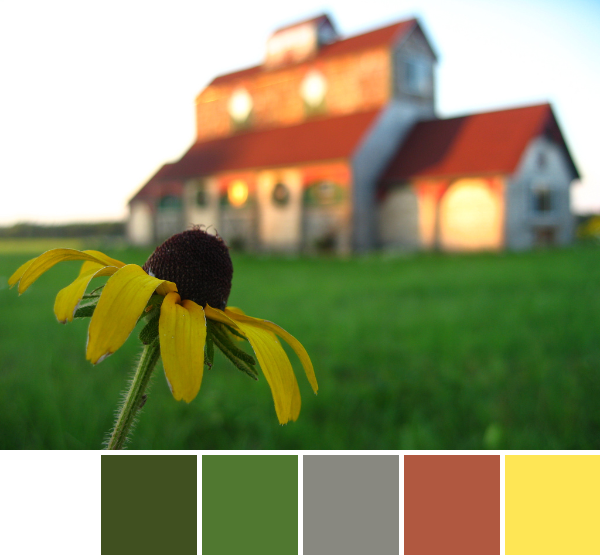
summer color palette

Corresponding Kona cottons from left to right:
White, Avocado, Grass green, Stone, Sienna, Wasabi

I’m partial to this palette since it includes both white and gray, which find their way into my quilts always very often these days. I feel like this palette has a country, down home feel. Do colors do that for you; do they illicit a specific “feel”? They definitely do for me!

Works in Progress: Late Night Quilters Club, Supernova Block 1 & Scrappy Play

Today is one of those days where I feel like I have a million things “in progress”.  I promise I won’t spill my entire brain’s to-do list for you (that would be messy), but here are some of the top projects I have in progress at the moment:

Late Night Quilters Club Facebook Group
LNQC-cover-4
This awesome LNQC banner was created by my talented brother Steven.

About a week ago, my new quilting friend Stephanie and her local quilter friend Michelle and I decided to launch a new Facebook community for fellow late night quilters, since we were getting so much out of our own nightly conversations. It started as a page, but the interest and content was so fabulous after only a day, that when new members requested that we make it a private group, we knew it was the right path. This way, it allows for easier communication and better sharing of pictures and ideas. Facebook “pages” aren’t as  conducive to posts by many different people in a community as “groups” are. So we made the change, and the group is hoppin’!

We want you to join us there. Your posts will be front and center so you can get lots of feedback from fellow quilters. You can network, ask questions, share advice, share your own works in progress, or even just be a wallflower looking for inspiration.

How is this a work in progress, you may ask? Well, we have a lot of great ideas still in the works, including the creation of a button you can include on your blog, creating a weekly fabric swap so that you can buy, sell, and trade fabric on the page, and more! If you’re on Facebook, would you please give us a little love and take a second to join the group (Steph, Michelle and I are accepting requests as fast as we can), share it with your quilting friends, and perhaps post some of your projects? We’d all love to see what YOU’re working on!

Supernova Friendship Block Swap: Block 1

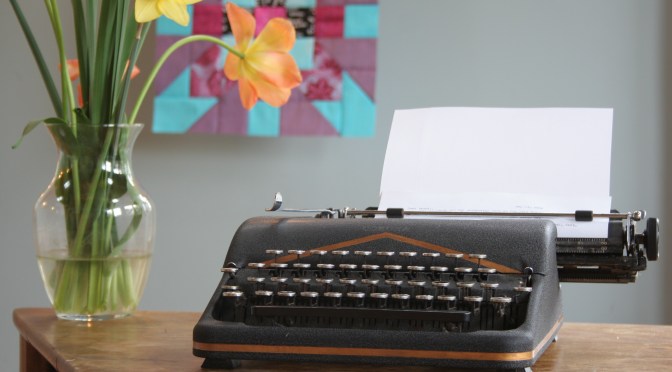
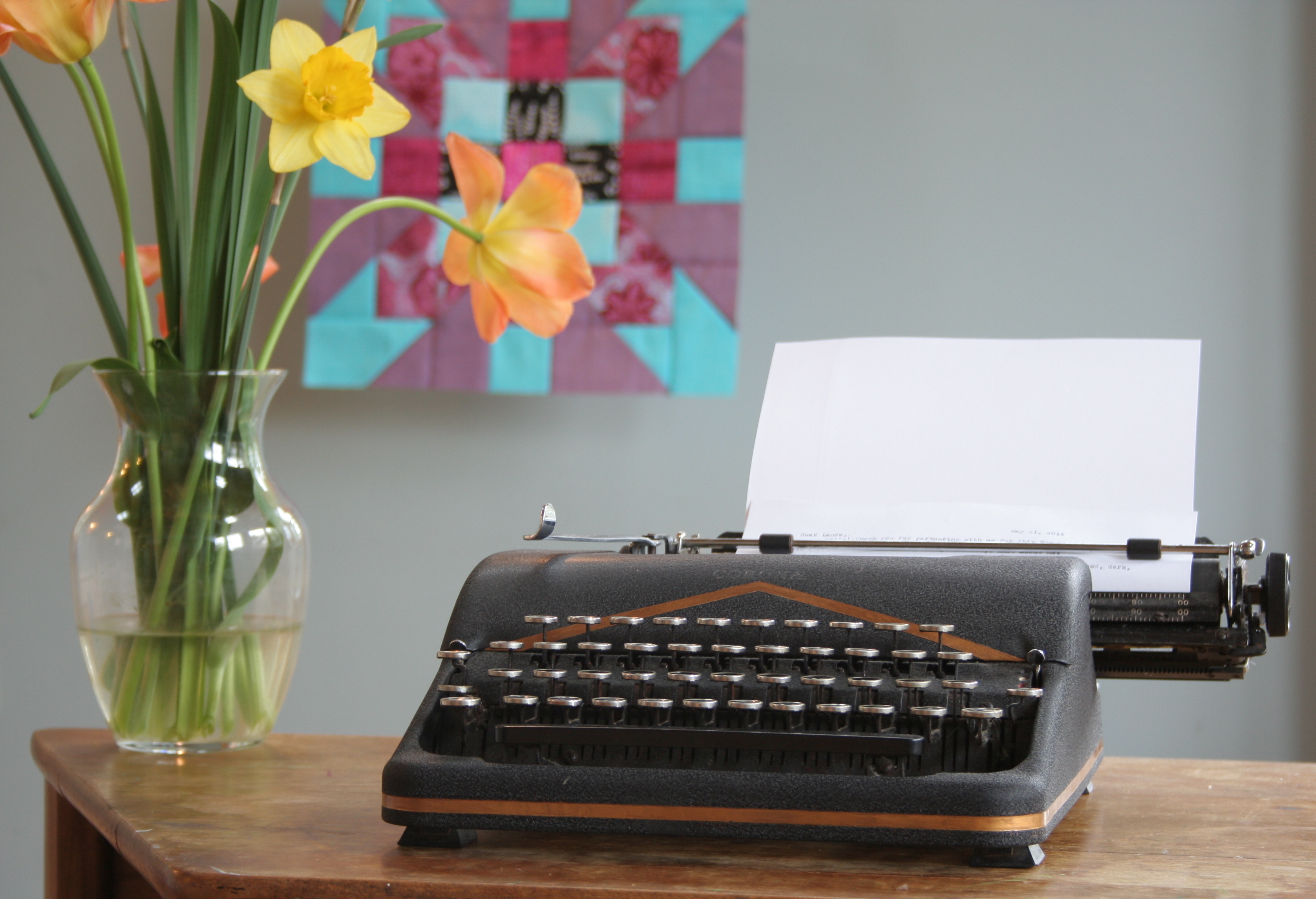
typewriter and supernova swap block 1

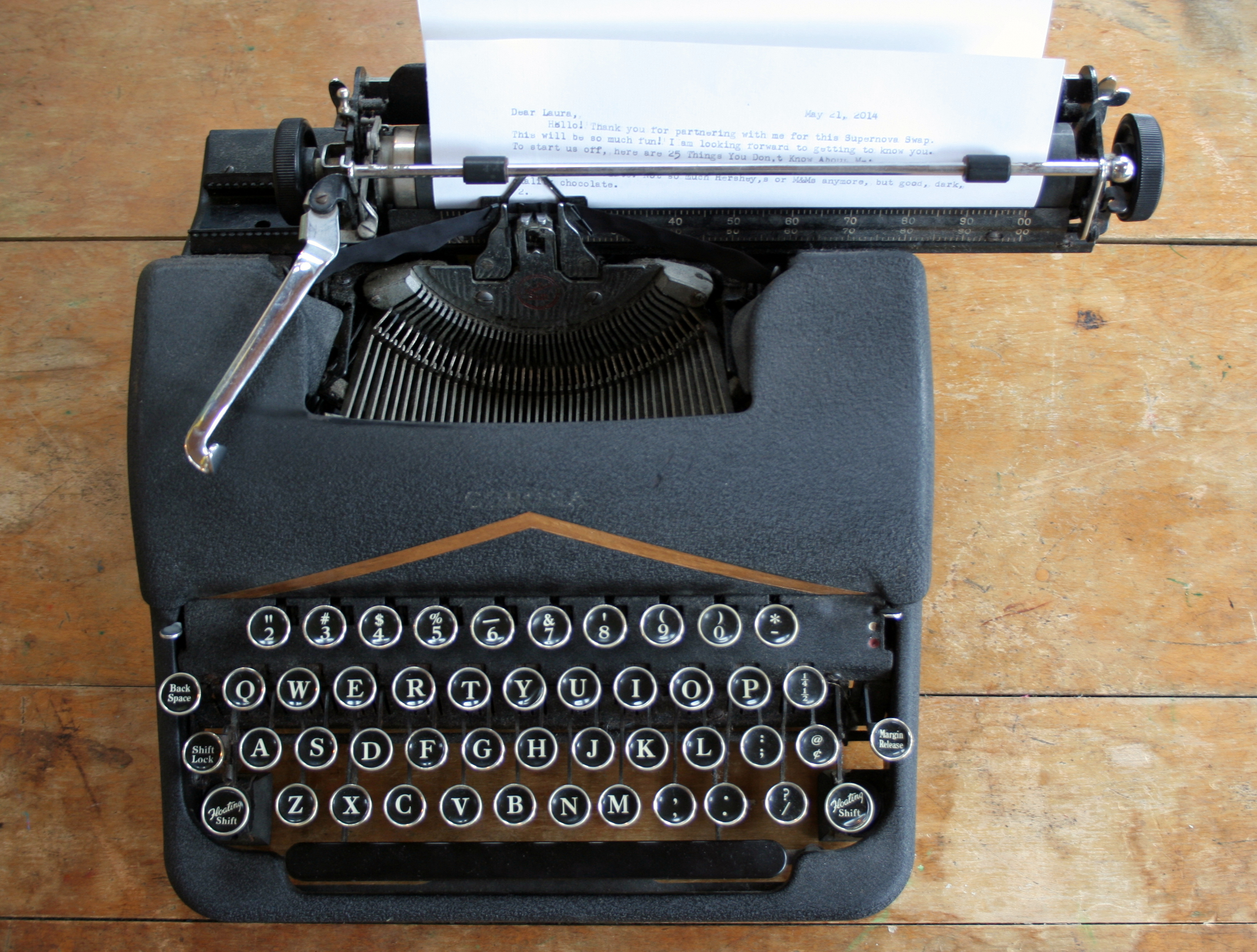
I have completed my first block for the Supernova Friendship Block Swap, and I love it! I still need to make a duplicate for myself, but I figured I may as well stay ahead and start writing my first letter to my partner Laura. The aspect of the swap that really drew me in at the start is the friendship-making in the process.  Each month, I will send not only an awesome 18″ supernova quilt block to Laura, but I’ll also write her a letter about myself. I’ve decided to type most of the letters since I have an awesome typewriter and may as well use it.

typewriter

Besides, how awesome would it be to receive a typed letter in the mail?! I hope Laura agrees.

I think that the swap is partially supposed to be a surprise each month, and I’ve already blown the surprise this month anyway with my tweeting and Instagramming, so I figure a semi-secretive peek at my block is okay. In future months, I promise to only post pictures AFTER Laura has received her blocks! This is going to be fun!

Scrappy Play

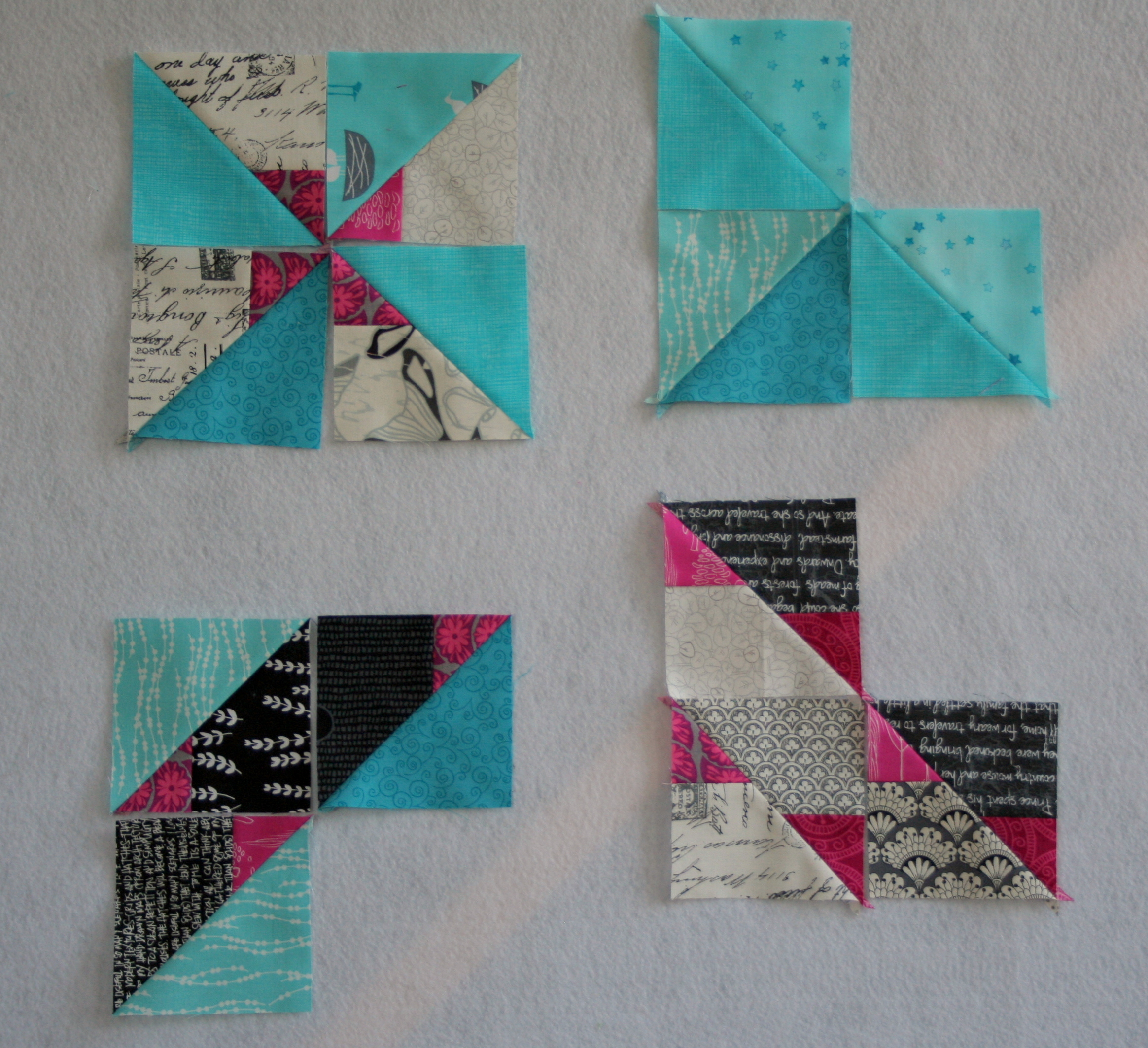
My final work in progress has been a fun little “extra”. My Star Crazy quilt is the first pattern I’ve used that results in many, somewhat large, already cool-looking scraps. I have been having a lot of fun playing around with different possibilities for the scraps.

various scrap arrangementsI think I have decided to make them into a set of place mats, but I think I will wait until the quilt is finished to make sure I have enough pieces to make a sufficient number of coordinating place mats. The alternative, of course is to use them on the back of the quilt. Either way, it has been fun discovering all of the wonderful arrangements possible with half-square triangles (HST).

possible place mat arrangement

It has been a busy week!

What do you do with your HST scraps? Do you have a favorite arrangement?

I’m linking up to Work in Progress Wednesday over at Freshly Pieced.

WIP Wednesday

Stash Building: Shot Cottons and more!

One of the best parts about taking on a new quilt challenge is the fabric shopping that ensues. Since I’ve officially joined the Supernova Friendship Swap partnering with Laura from Adventures of a Quilting Diva, and we finally decided on our color plan and background fabric, I had to do a little fabric shopping.

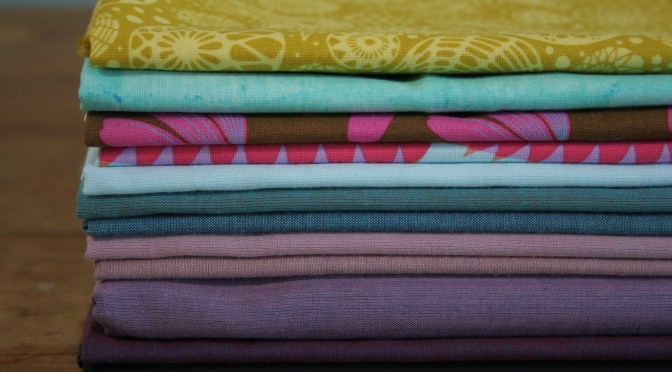
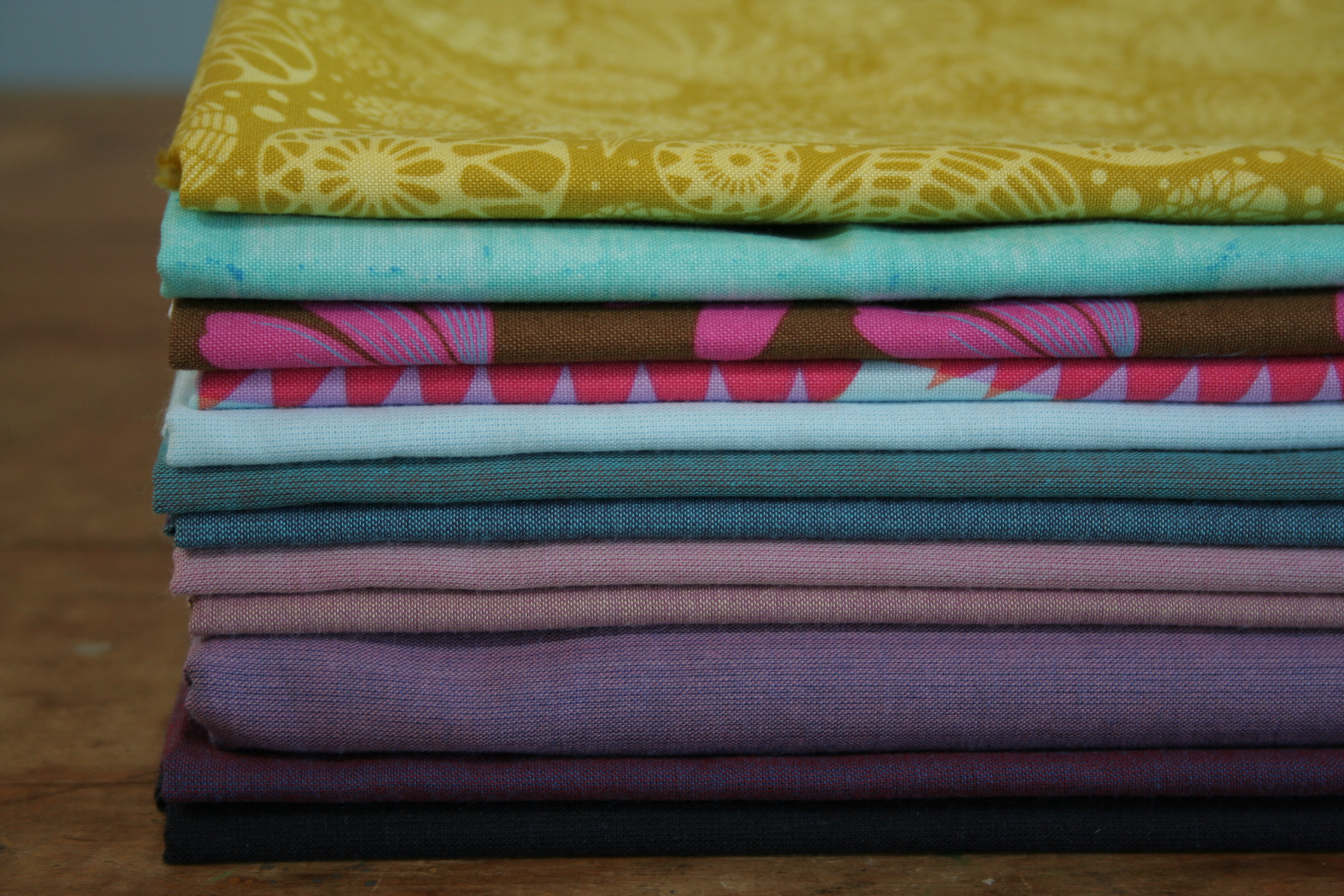
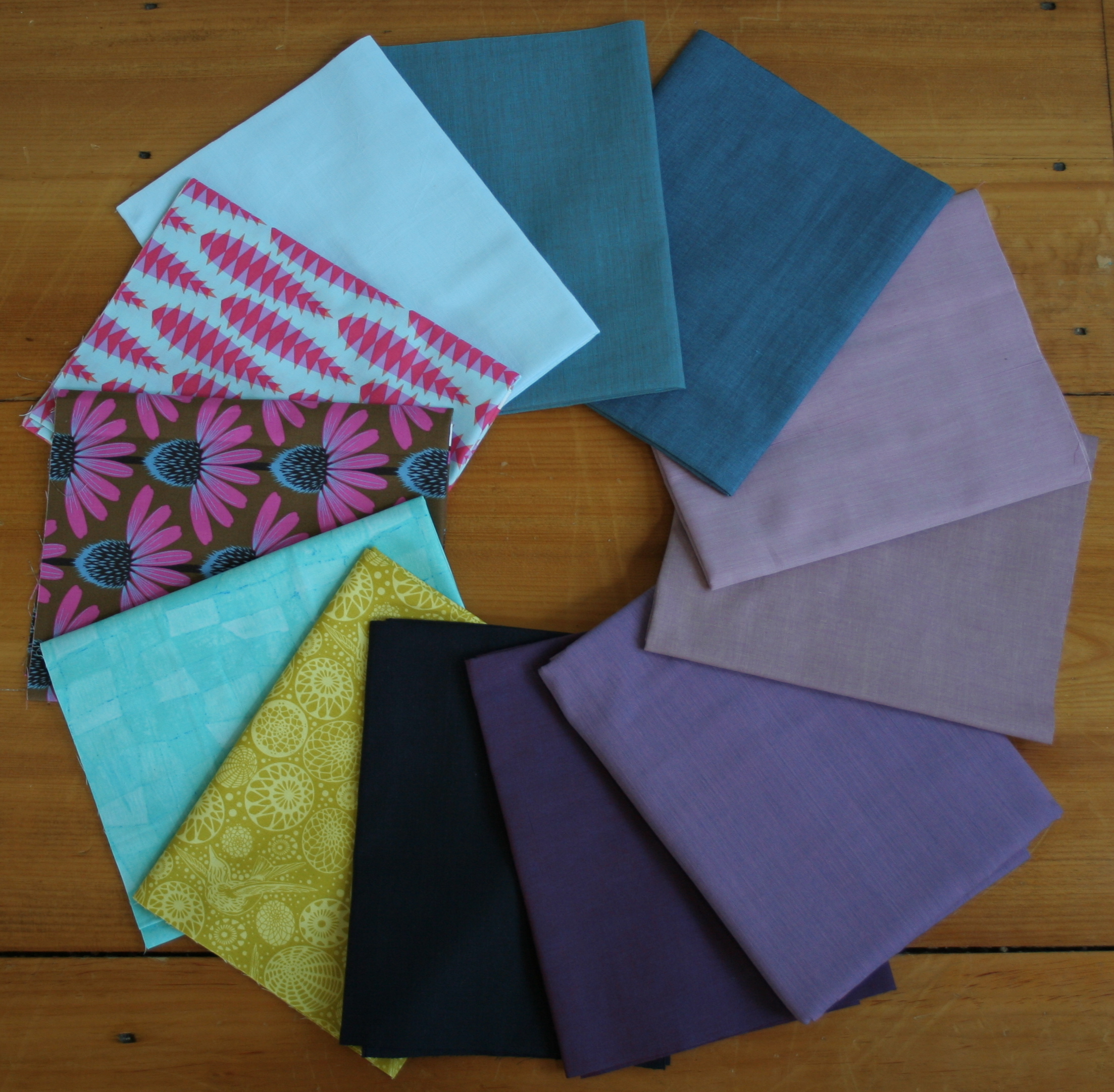
Shot cottons and fabric stash addition

fabric stash additionSince I was shopping online so that Laura and I could be sure that we were getting the same exact background fabric, I ordered a few more prints to bring the total to >$50 (free shipping from QuiltHome!).

I ordered mostly half-yards, and 2.5 yards of our background fabric, since the pattern calls for 2 yards and I wanted a bit left for another project-in-the-works. Here’s what I bought:

Pretty Potent-Candy Fabric by Anna Maria Horner
Pretty Potent-Outloud Fabric by Anna Maria Horner
Edges in Sky by Laura Gunn
Acacia-Honey Fabric by Tula Pink
and some Kaffe Fassett Shot Cottons in:
-Ice
-Spruce
-Eucalyptus
-Quartz
-Heather/Mushroom
-Granite
-Prune
-Coal

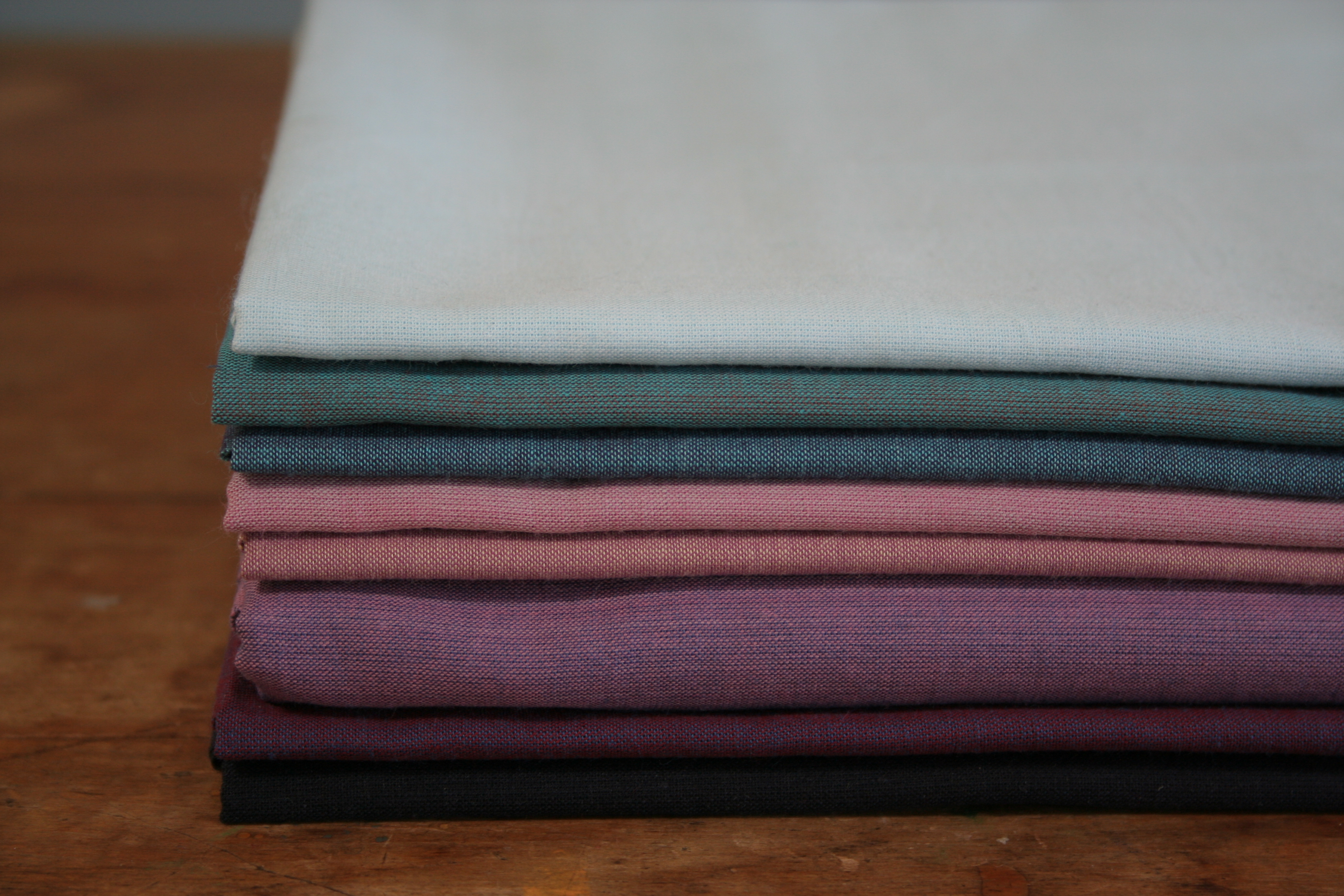
shot cottons
Gorgeous stack of Kaffe Fassett shot cottons.

We chose Kaffe Fassett’s Granite shot cotton as our background, after debating between various shades and textures of gray.  As you can see (the third one up in the stack is the granite) it is very purple! Yet somehow, with our jewel tone color choice, we both think the greyish purple shot cotton will be awesome! Everyone uses gray as a background. We’re going to push the envelope a bit. I’m nervous and excited all at once.

I plan to incorporate some of the Anna Maria Horner, Laura Gunn & Tula Pink fabrics into the Supernova blocks, too. The other shot cottons will be made into place mats as I test the Canvas quilt pattern by Leanne at She Can Quilt. I’m excited to use these awesome shot cottons for such a simple and elegant pattern.

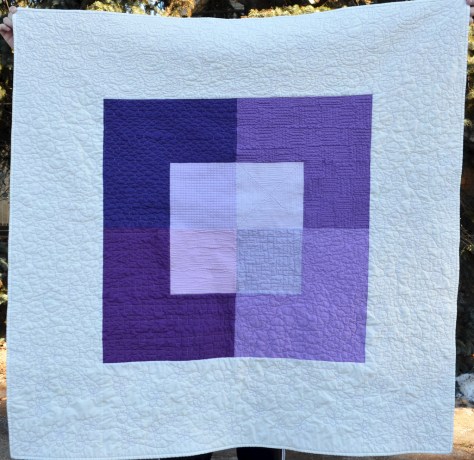
Radiant Orchid Color study with the Canvas pattern by Leanne at She Can Quilt.

The shot cottons are all they’re made out to be. The colors are so dynamic and deeply rich; they just beg to be touched. I have a feeling these will not be the last shot cottons to enter my stash.

I’m linking up with Molli’s Sunday Stash.

Molli Sparkles


What’s new (or what do you want to be new) in your stash?

Friday Finish: Lupine, a Foundation Paper Piecing Pattern

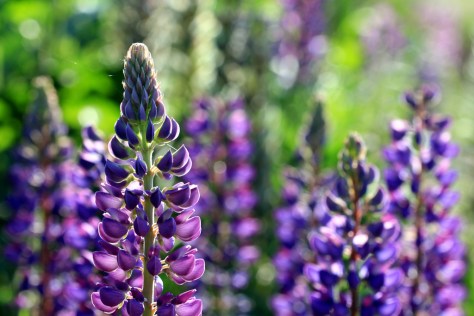
I had never seen lupine before traveling to Maine, but now that I live here they are among my favorite flowers. There is a depth and richness to their color that force me to get really close and admire their intricacy. They are very advantageous growers, almost invasive, and the sheer numbers of lupine seen along roadsides, in fields, and in happy gardens make the color incredibly apparent.

Photo by Steffen Ramsaier, found on Flickr

Early in my sewing days, I was trying to think of a gift to make for my mother-in-law. I immediately thought of lupine, since they are her favorite flower. (If you have children, do you know the book Miss Rumphius? aka the Lupine Lady? Well that’s my mother-in-law–okay, it’s not really, but it certainly could be!) I had recently found paper piecing and wanted to make her a paper pieced lupine pillow.  The only problem was that all of my searches for paper pieced lupine patterns came up empty.

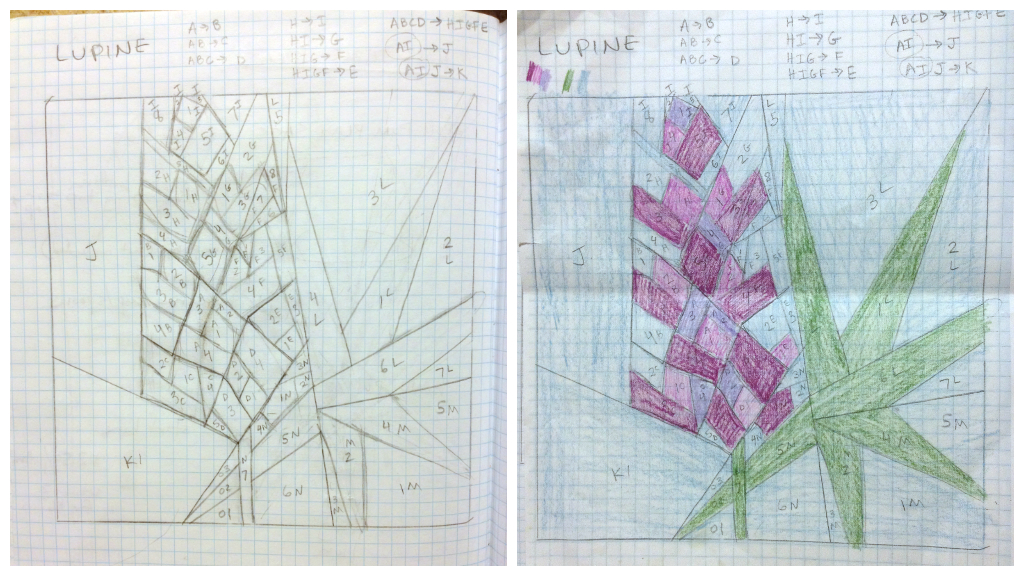
Flash forward a month or so, when I discovered that I could design paper piecing patterns.  A lupine flower was one of the first sketches I did. Talk about complex! I really wanted to get the heart-shaped petals into the pattern, but I knew it had to be fairly simple to be able to be pieced. I drew out a few sketches, chose my favorite, and began to try to break it down into logical pieces. My brain instantly scrambled.  I had to put the pattern aside, and work on a few different projects for a week or two.

paper piecing process
It all starts with the graph paper and sketch.

After that much needed breather, I picked up the lupine again one evening and smoothly worked it into numbered paper piecing sections. After a month or so of fine tuning and testing, the pattern is ready!

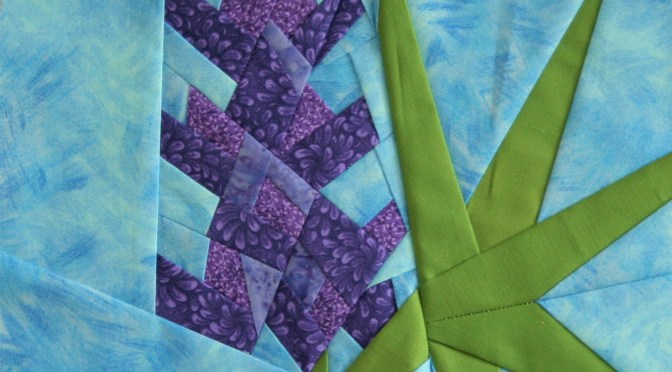
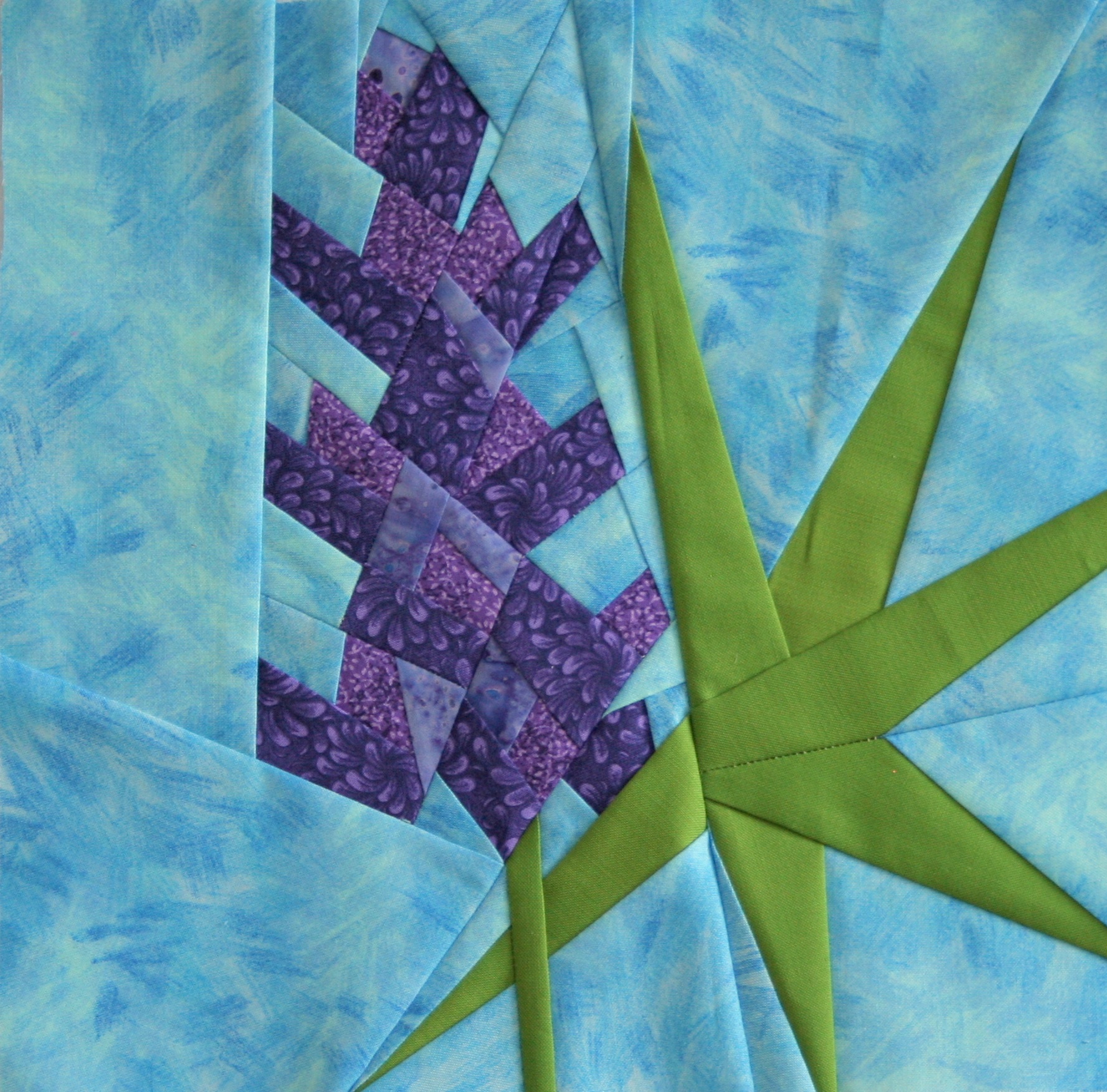
paper pieced lupine quilt block

Don’t you love it!? I wasn’t sure about my fabric choices at first, but now that the block is done, I think they were perfect! They blend together just enough to give the flower depth without detracting from the congruence of the bloom.

This is not a beginner paper piecing pattern in that there are many pieces and a few sharp angles.  There are only simple joining seams, though; no y-seams! If you have a good sense of paper piecing, this block shouldn’t be too tricky. It took me about 4 hours to complete and measures 10″ square (10.5″ with seam allowance).

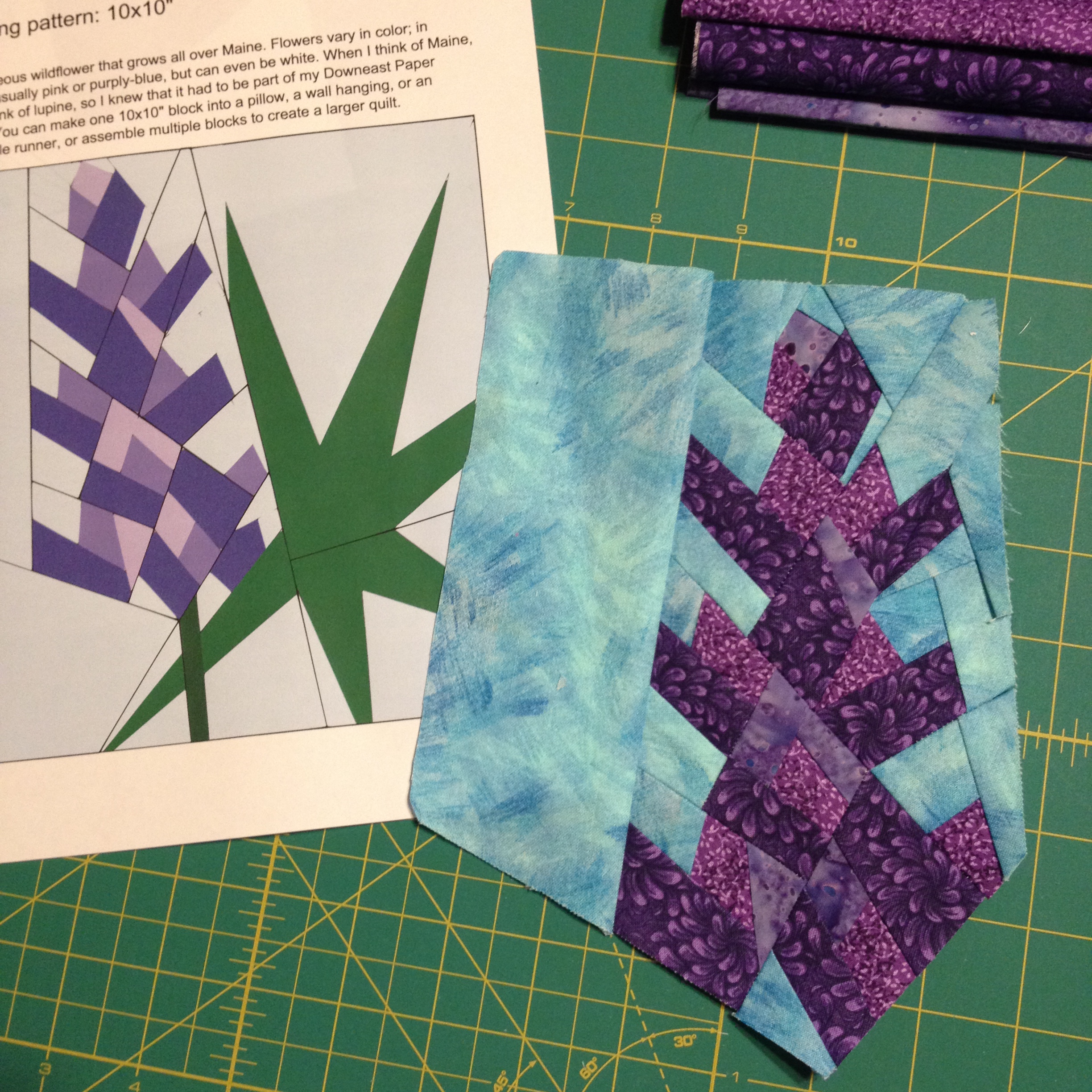
paper piecing progressIf you follow me on Instagram, you’ve watched this lupine block’s progression. For those of you who don’t follow me yet, here’s a peek at the process from my Instagram feed (@nightquilter). Of course these are taken with my iPhone during my late night quilting foray, so pardon the blur!

Lupine paper piecing progress
Little by little, it comes together.

paper piecing detail

The back is my favorite! Stragglers hanging on after I’ve removed most of the paper.

The pattern will be available in my Payhip Pattern Store by the end of today, so now if you need to make your mother-in-law (or mom, sister, brother, cousin, friend, or yourself!) a lupine pillow, wall hanging, table runner, bag, etc. you can get right to it!

This particular block will soon become a long-awaited Lupine Pillow for my mother-in-law. I’d say it was worth the wait.

This is my exciting Friday Finish, so I’m linking up!

Crazy Mom Quilts
TGIFF

tgiff-button-blog


Color Inspiration Thursday {1}

I love color. I’ve always loved color. There’s just something about bright, coordinating, complimenting, or even sometimes clashing color that makes me happy. I’m a very aesthetically driven person, so I often admire the color combinations that appear around me.

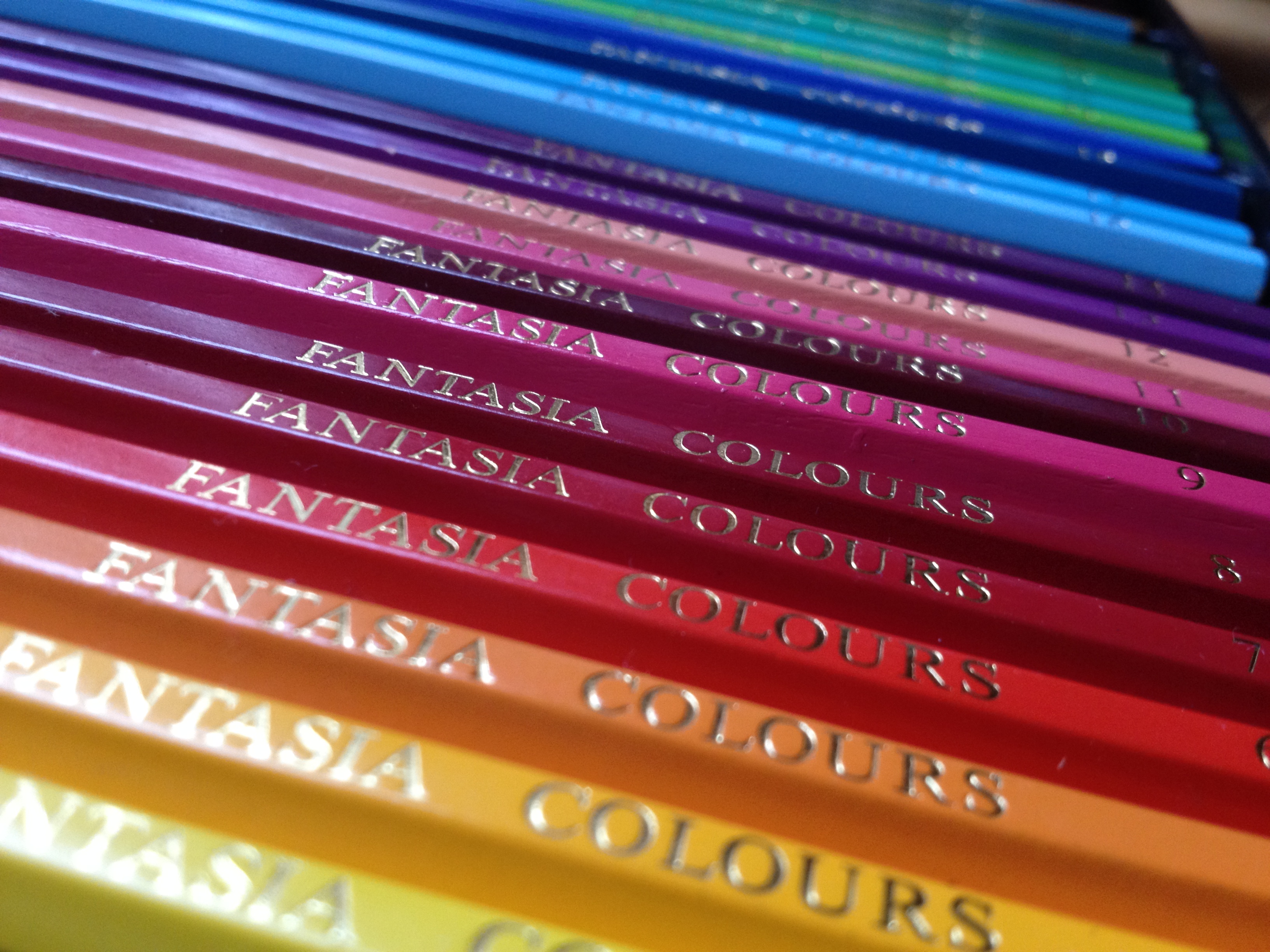
Colored pencils aesthetically arranged
You store your colored pencils in color order, too, right?

I’ve written before about the Palette Builder 2.1 on Play Crafts in my post Playing with Color Palettes, and I haven’t grown tired of playing with the Palette Builder to create unique palettes from my photographs. In fact, I’ve gathered quite a collection of color palettes. After a few gray sunless days, I need a burst of color to brighten my day. Both this need for color, and a recently found post called Weekly Inspiration on Nini & The Sea’s blog have inspired me to join in with the weekly inspiration idea.  Each week, I will post a color palette or two that I have created using the Play Crafts Palette Builder and my old photographs. I will include the corresponding Kona Cottons since that is one of the coolest features of the Palette Builder in my opinion.

My hope is that these palettes help inspire you, maybe spur an idea for a new quilt or sewing project, or even just brighten your day and trigger those happy aesthetically-driven feelings. Open up those synapses, because here comes color!

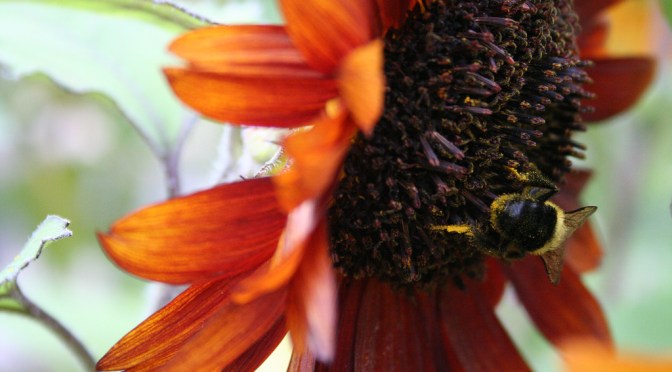
Autumnal color palette from a busy bee on a sunflower.
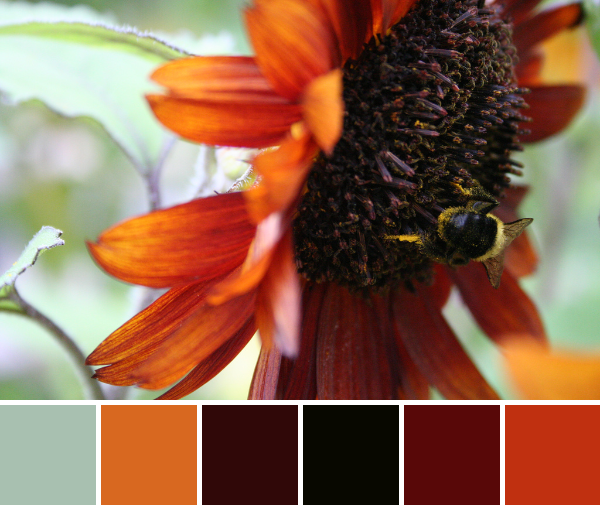
Bright autumnal color palette from a busy bee on a sunflower.

Corresponding Kona cottons from left to right:
Seafoam, Cedar, Mahogany, Black, Wine, Lipstick.

I love this palette because it includes black AND a spot for low volume, both of which find their way into many of my quilts these days.

Summer blue color palette
Summer blues!

Corresponding Kona cottons from left to right:
Lake, Cadet, Evening, Azure, Avocado, Moss.

I just love those blues, and this photo reminds me of summer evenings on the coast of Maine. I hope you enjoyed these bursts of happy color!

What is your favorite color combination?

Gardening by Day; Quilting by Night

After a long, especially cold and lingering winter, spring is finally fully here in midcoast Maine. Those first days of warm sun, cool (not frigid and biting) breeze, and sprouting green are precious days. I didn’t know it my first year here, but I know it now. The blackflies won’t be long.

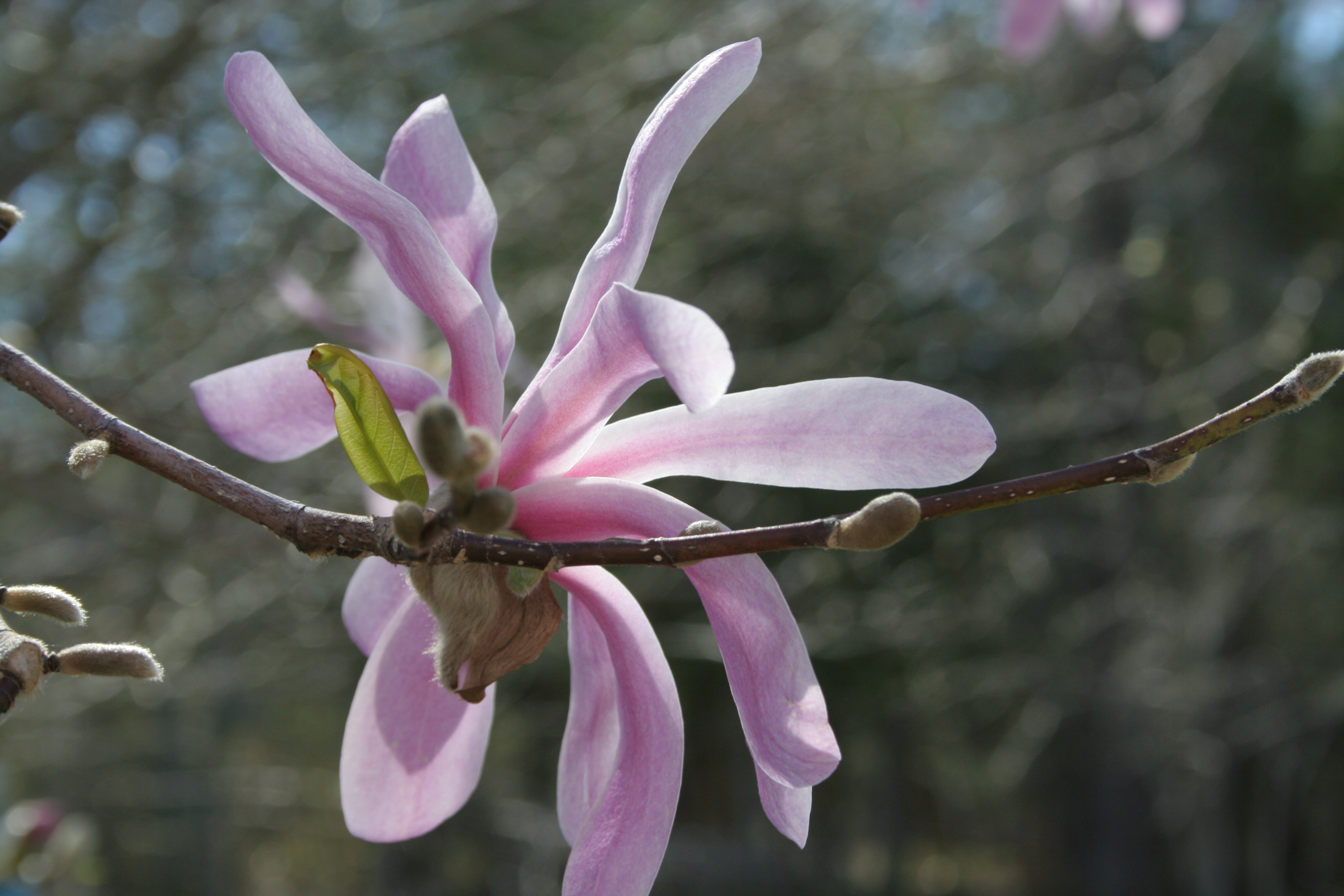
Spring Magnolia

The past few days have been supurb: sunny, warm-even borderline hot, and too early for blackflies. Needless to say, I have been spending every daylight moment out in the garden, playing in the yard, or admiring the flowers with my kids. I know that once the blackflies arrive, we we hide indoors or only go out with long pants and a full head & arms bug net. The blackflies will subside, but for a good solid month, they are a wicked scourge. Swarming clouds of annoying and biting bitties. When my husband and I decided to move from New Jersey back to his home state of Maine, no one had told me about the blackflies. Some days I joke that if someone had told me about the blackflies, I never would have moved here… but I know I’m joking. I love it here in rural Maine.

Days spent in the garden makes for a tired momma, but I can’t help but sew once the sun sets and the kids are asleep.  I’m making slow progress on my Star Crazy quilt, and I like it more and more as blocks get added.

IMG_1133

Before beginning this quilt, I was thinking of adding grays into the low volume sides, to have some of the light stars be grey instead of just low volume. I think now I’ve decided to keep grays out of it, and just stick with the black and white stars.

Star Crazy progress

Star Crazy progress

These blocks are a combination of my favorite colors, AND of fabrics from some of my favorite designers and fabric lines. Seeing Botanics next to Wee Wander next to Architextures, framed by Perfectly Perched and Zen Chic makes me tremendously happy!

IMG_1141

While my sewing progress has been slowed by this gorgeous weather, I feel like I am spending my days the right way. Family, garden, and those first days of spring are SO refreshing and key to a joyous life.

Here are a few more shots of spring from around my homestead, for those of you who find inspiration as I do, from nature.

IMG_1116
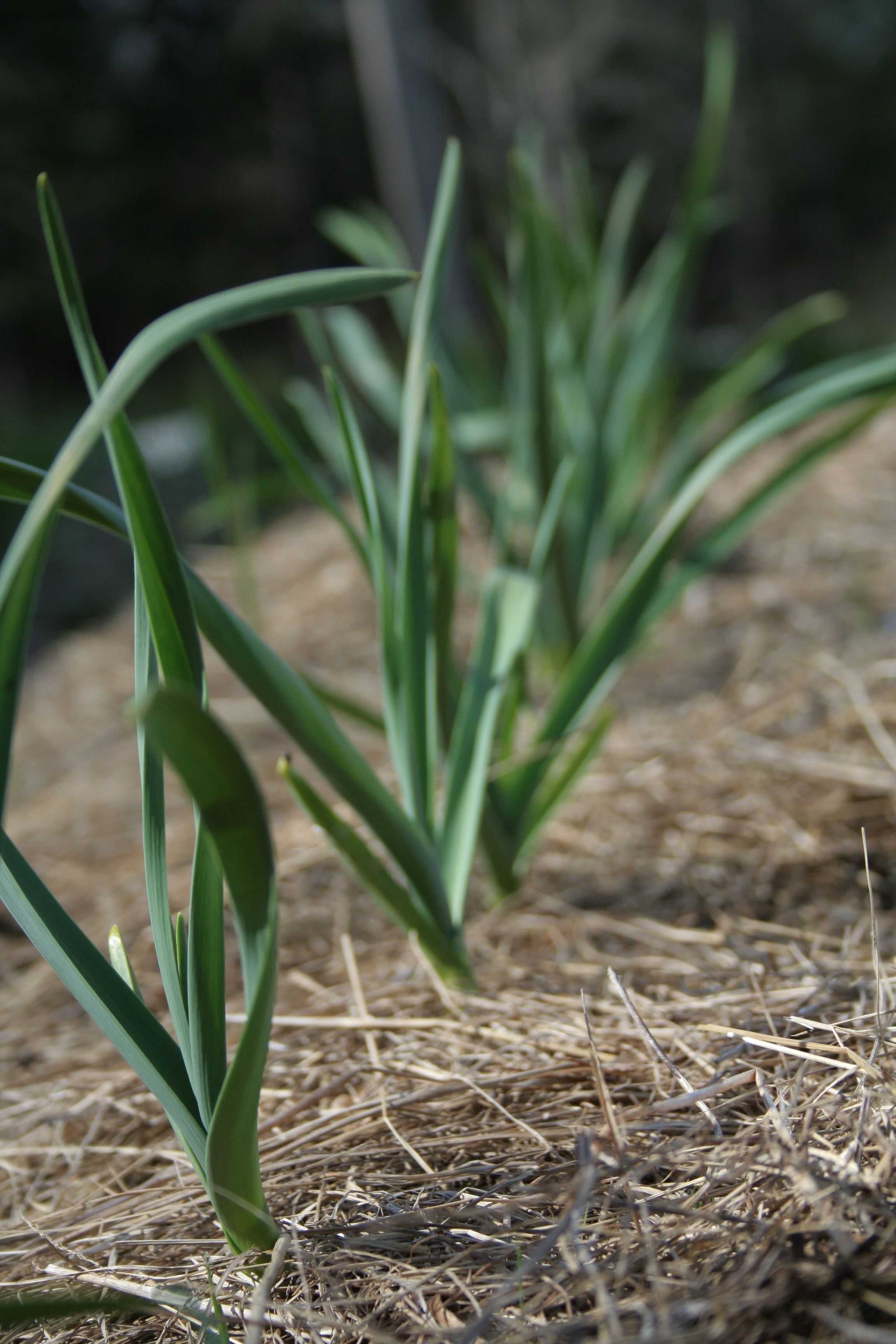
Happy rows of garlic in our garden.
onion seedlings
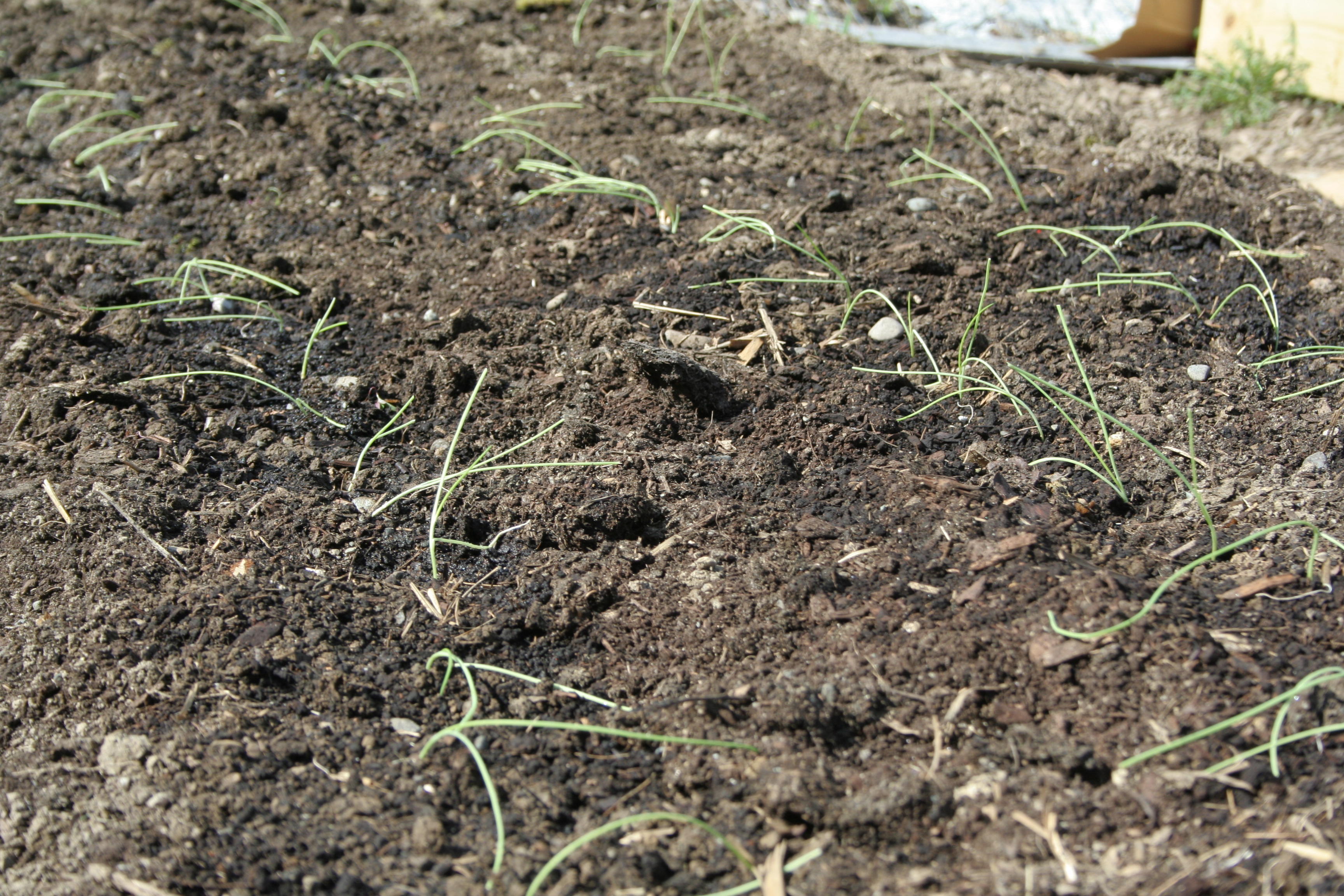
Yesterday I planted about 120 onion seedlings that I had started indoors in early March. I inadvertently planted them in more of a chevron pattern than straight rows! Quilting meets gardening.
onions
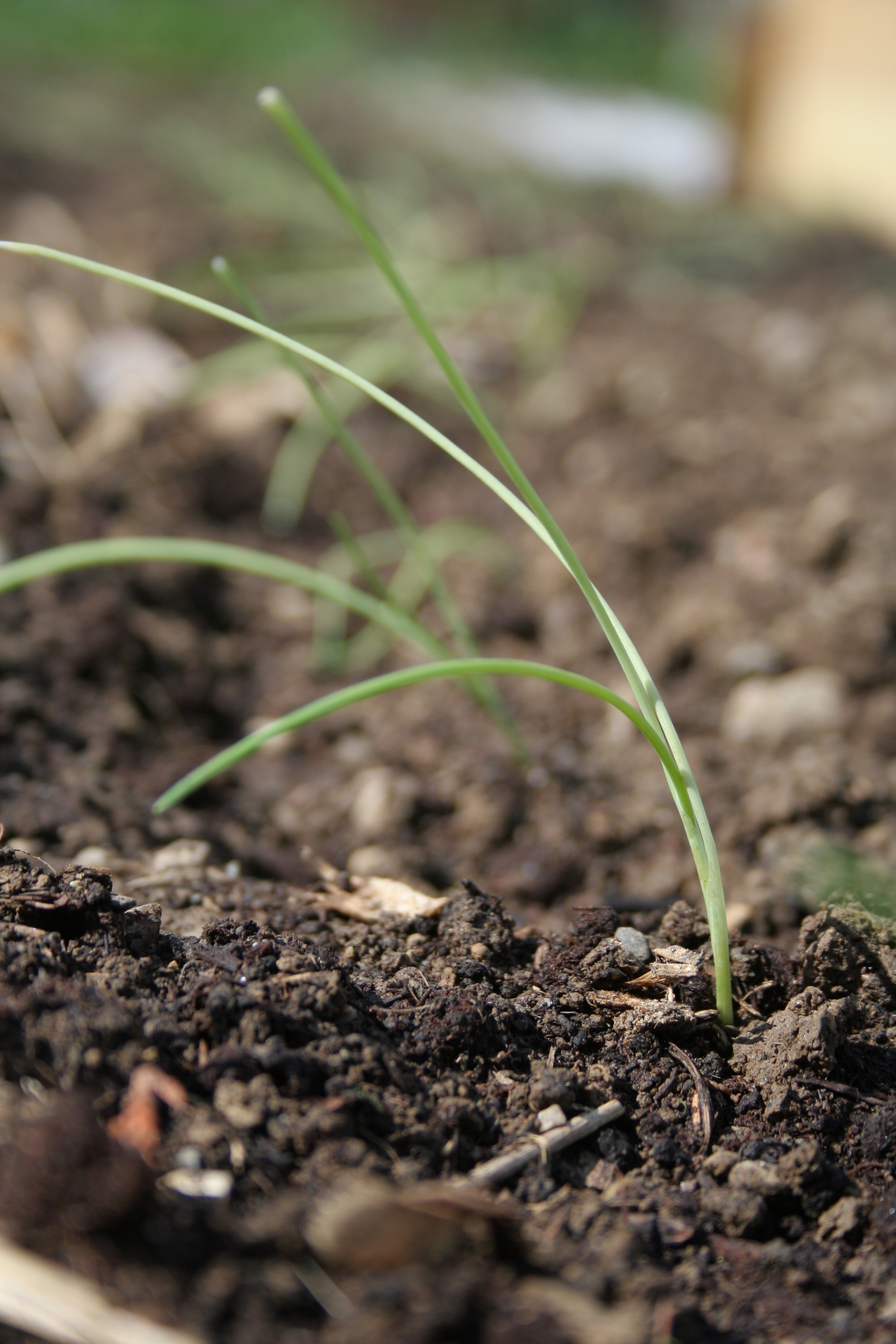
Hopeful that these little onion seedlings get big and strong and heavy beneath the surface.

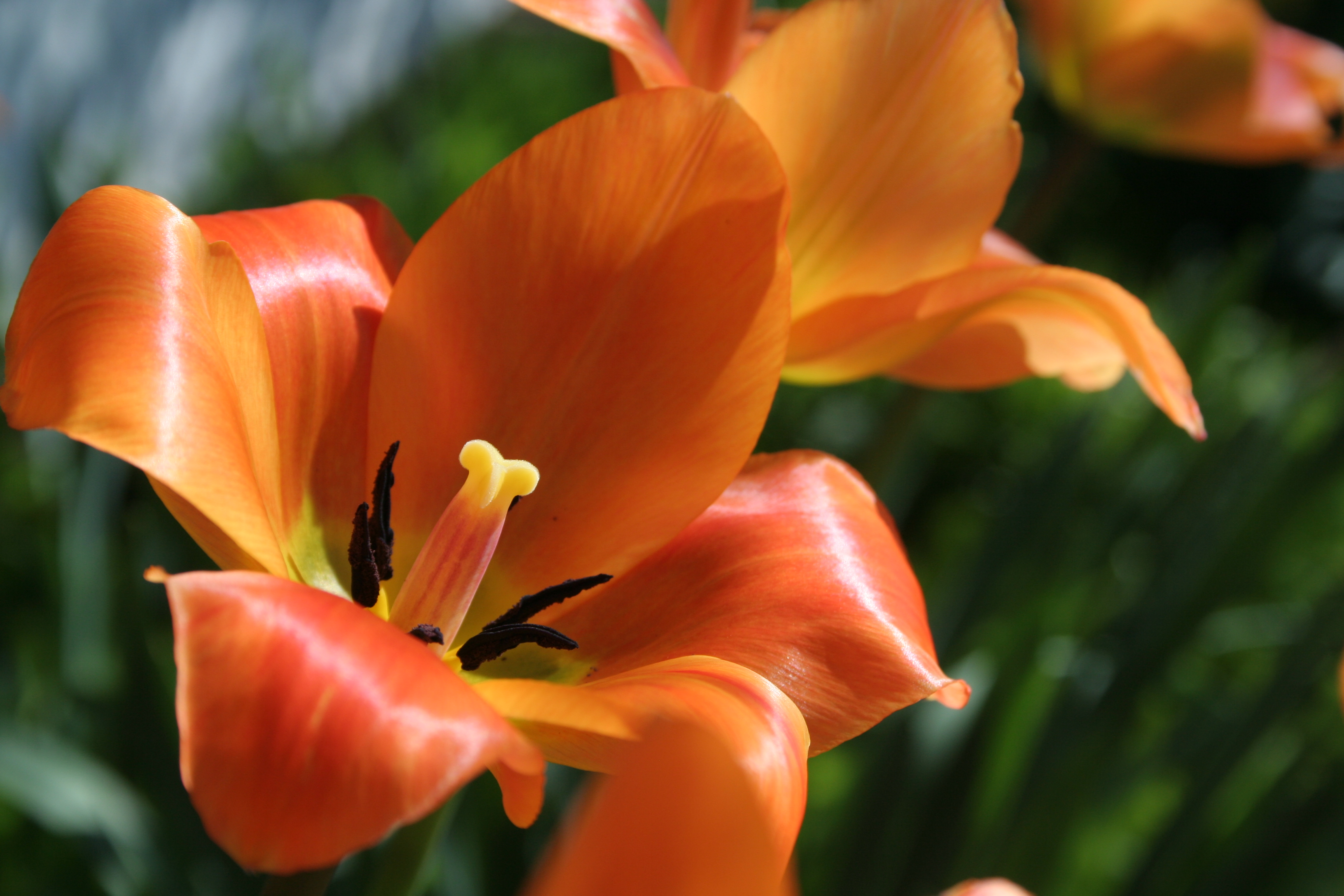
IMG_1125 Tulip Splendor

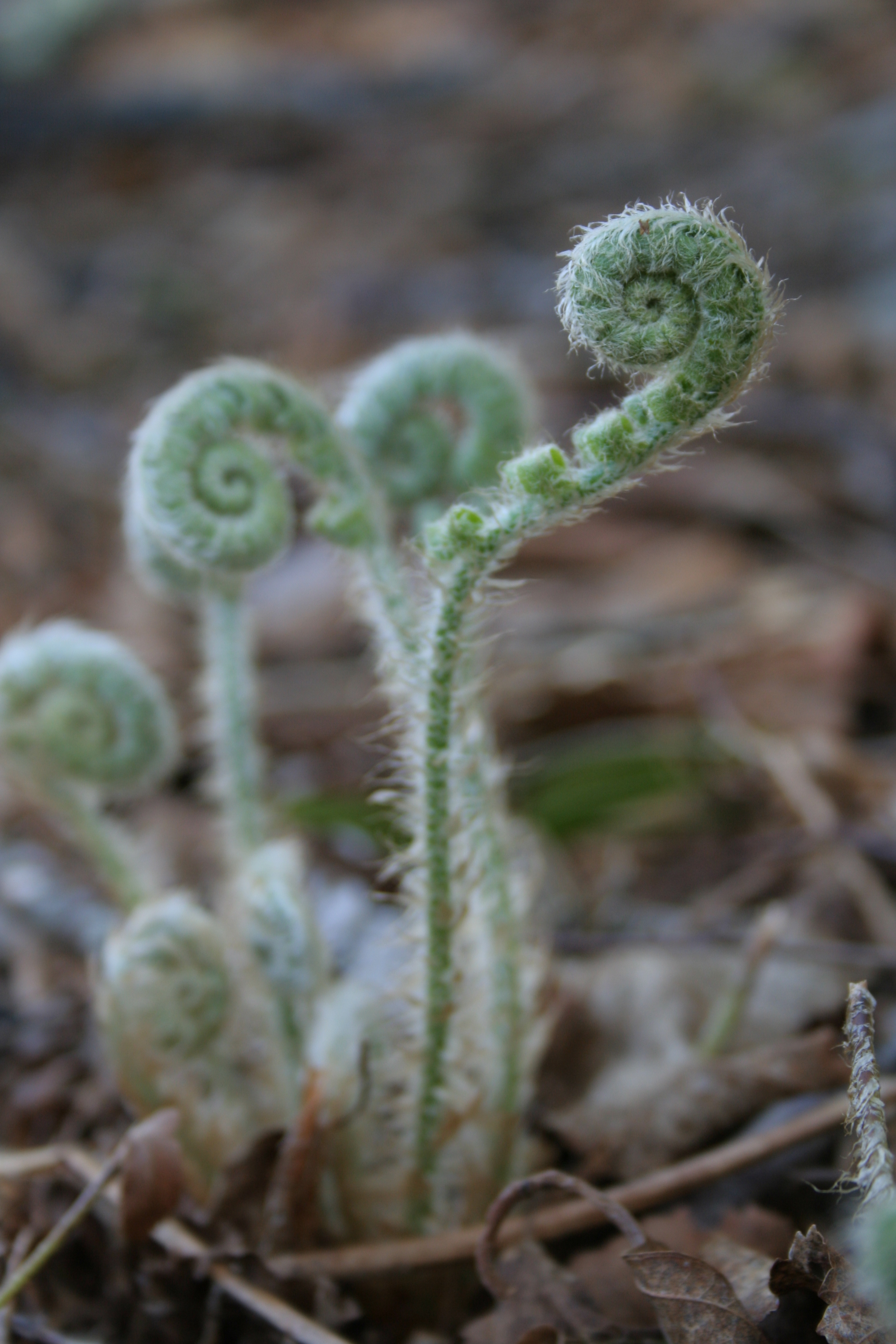
Fiddleheads coming up in the woods behind our house. Nature is so gorgeous!
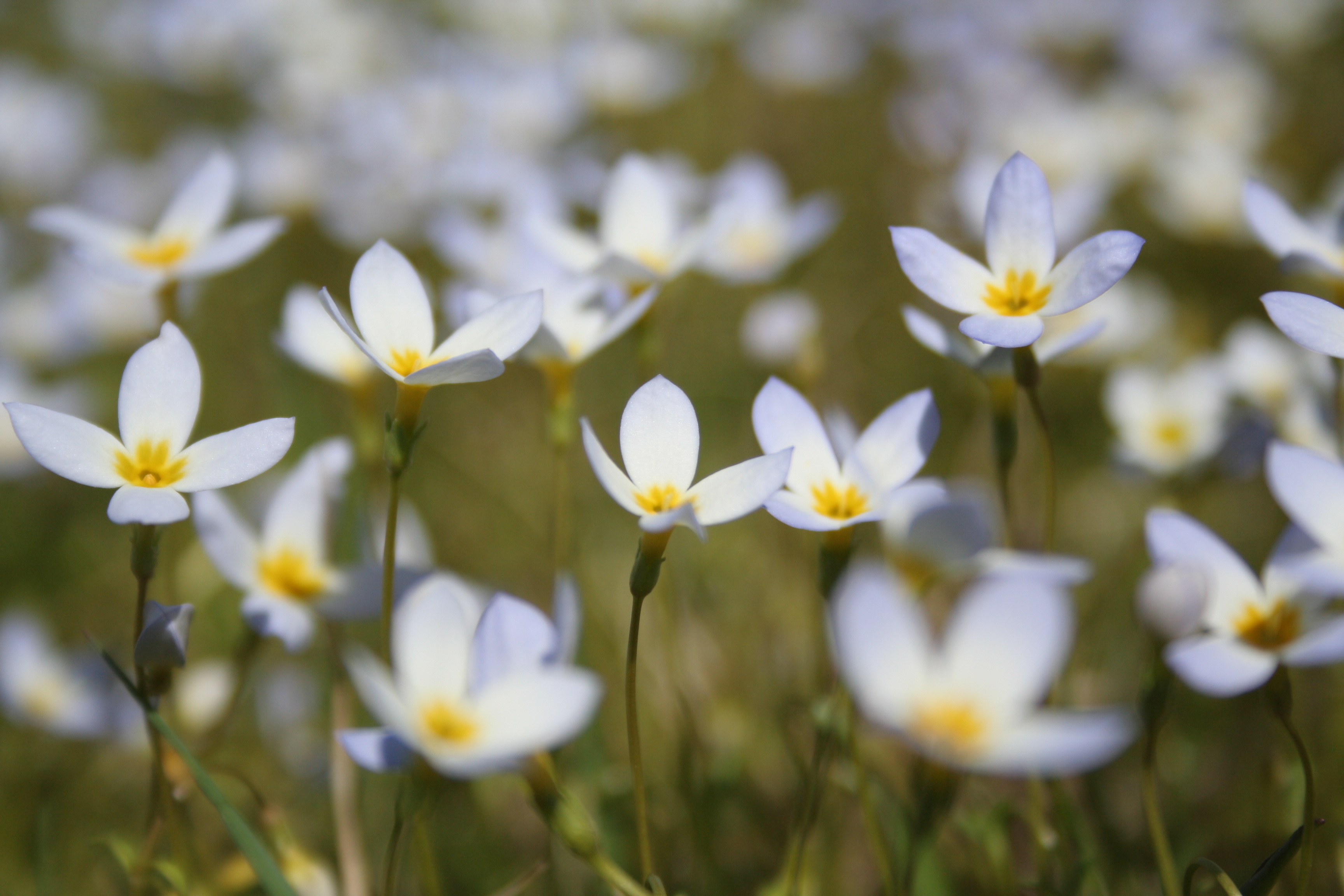
A large patch of our lawn is covered in these flowers every spring. Picnics galore!

Happy spring!

Since it’s Wednesday, I’m linking up to Work in Progress Wednesday over at Freshly Pieced.

WIP Wednesday

Summer Knitting and a New Toy

IMG_1008Spring is officially here in midcoast Maine, which means summer won’t be far behind. I typically do most of my knitting during the colder months, since the gardens call my name during every waking moment of the warmer seasons.

I’m still working on the Panem Katniss Cowl that I’m knitting as a barter for Night Quilter logo design, but I’ve completed the Julian Vest for my son. Normally, I would probably complete my current works in progress without picking up a new project until fall, but I think this year I may try some summer knitting. I have some skeins of linen blend yarn destashed by my knitting cousin, and I received a gorgeous new knitting toy for my birthday that makes me eager to cast-on a new project.

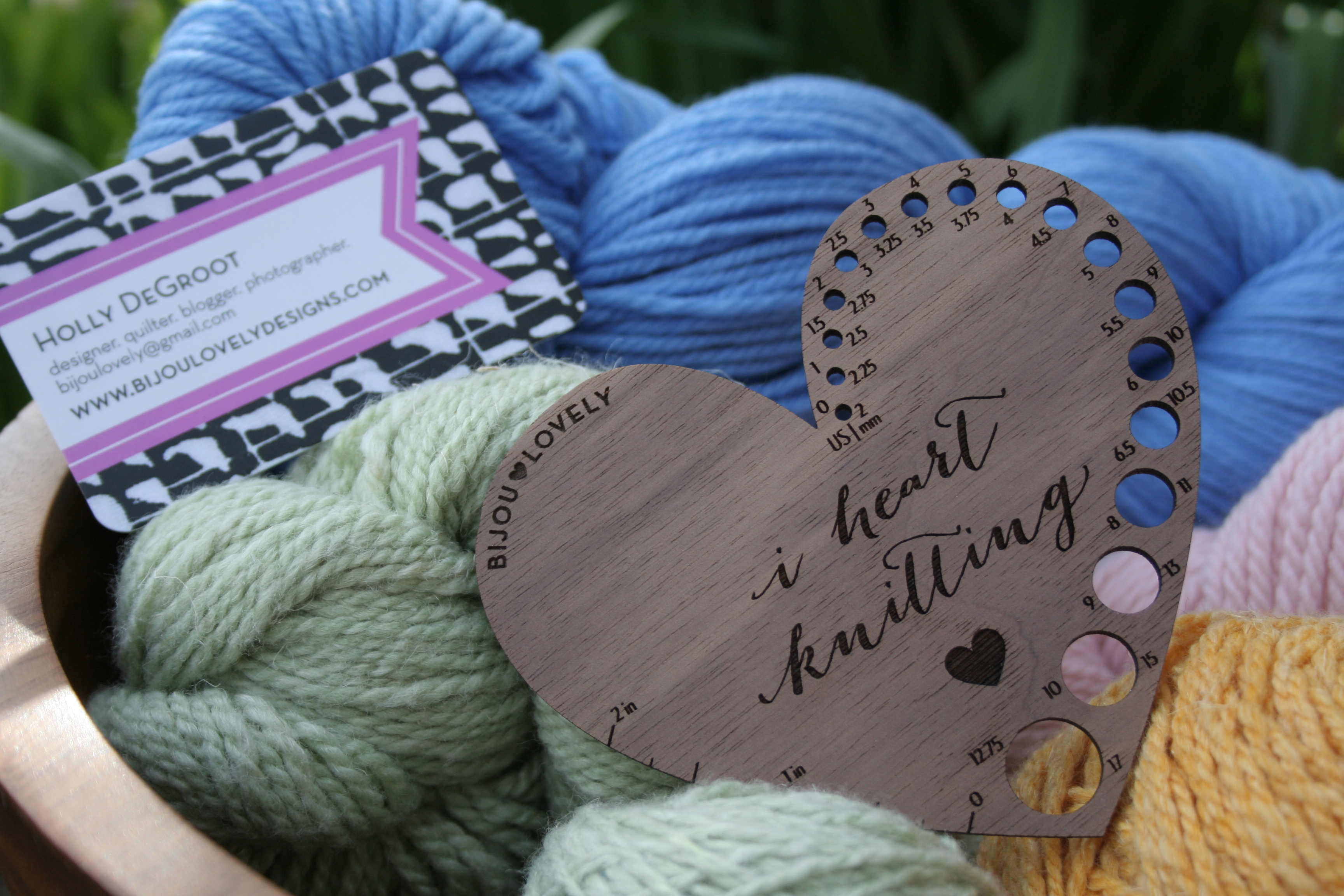
IMG_0995

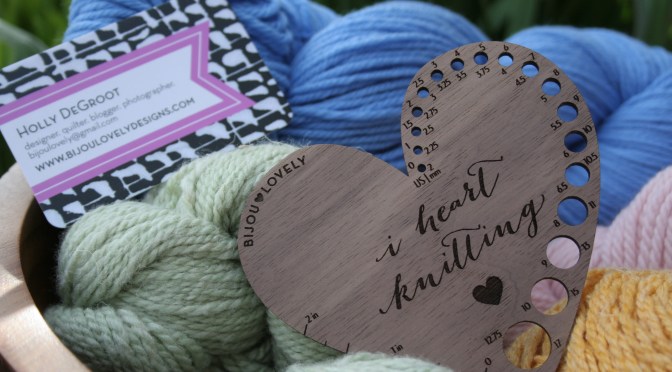
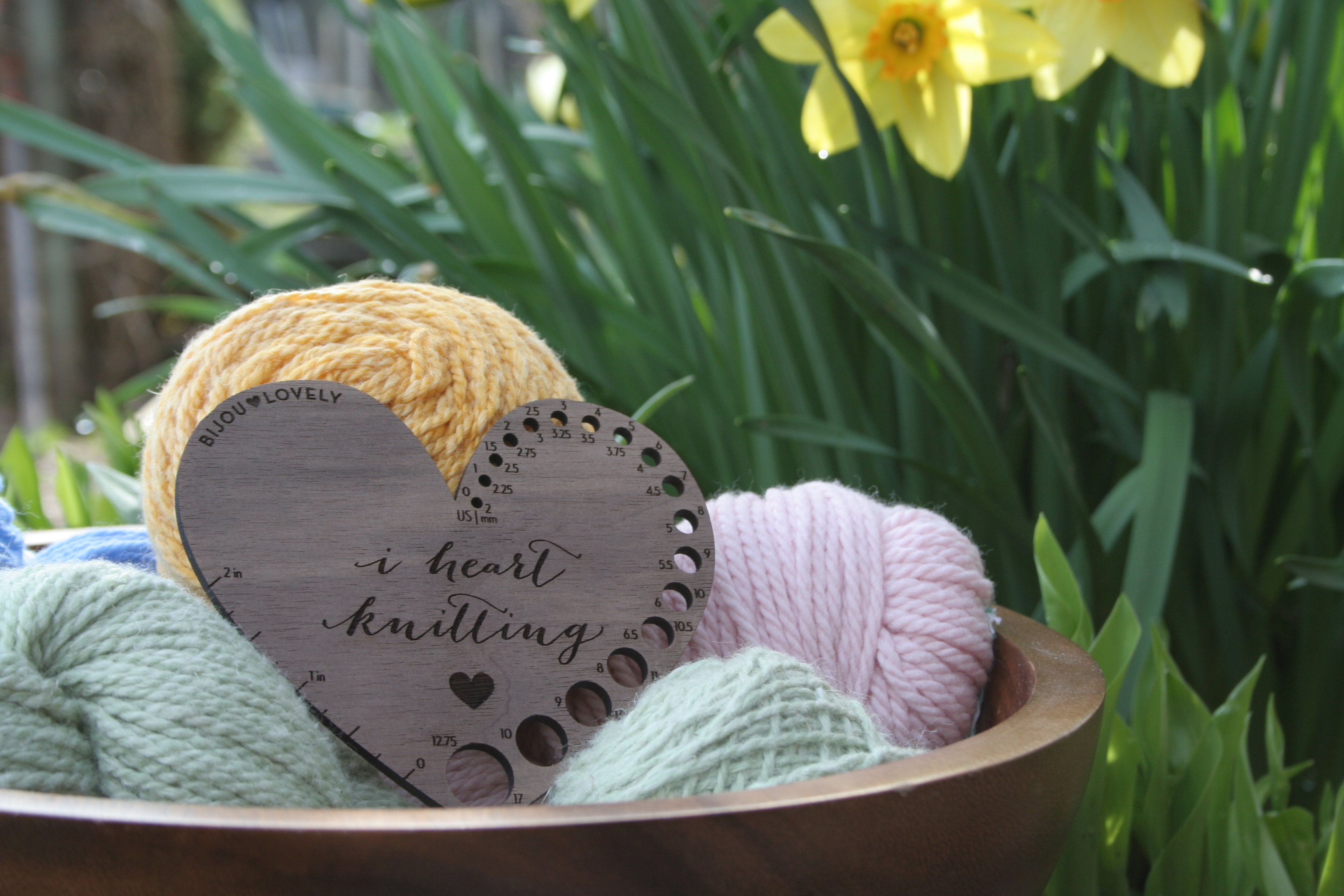
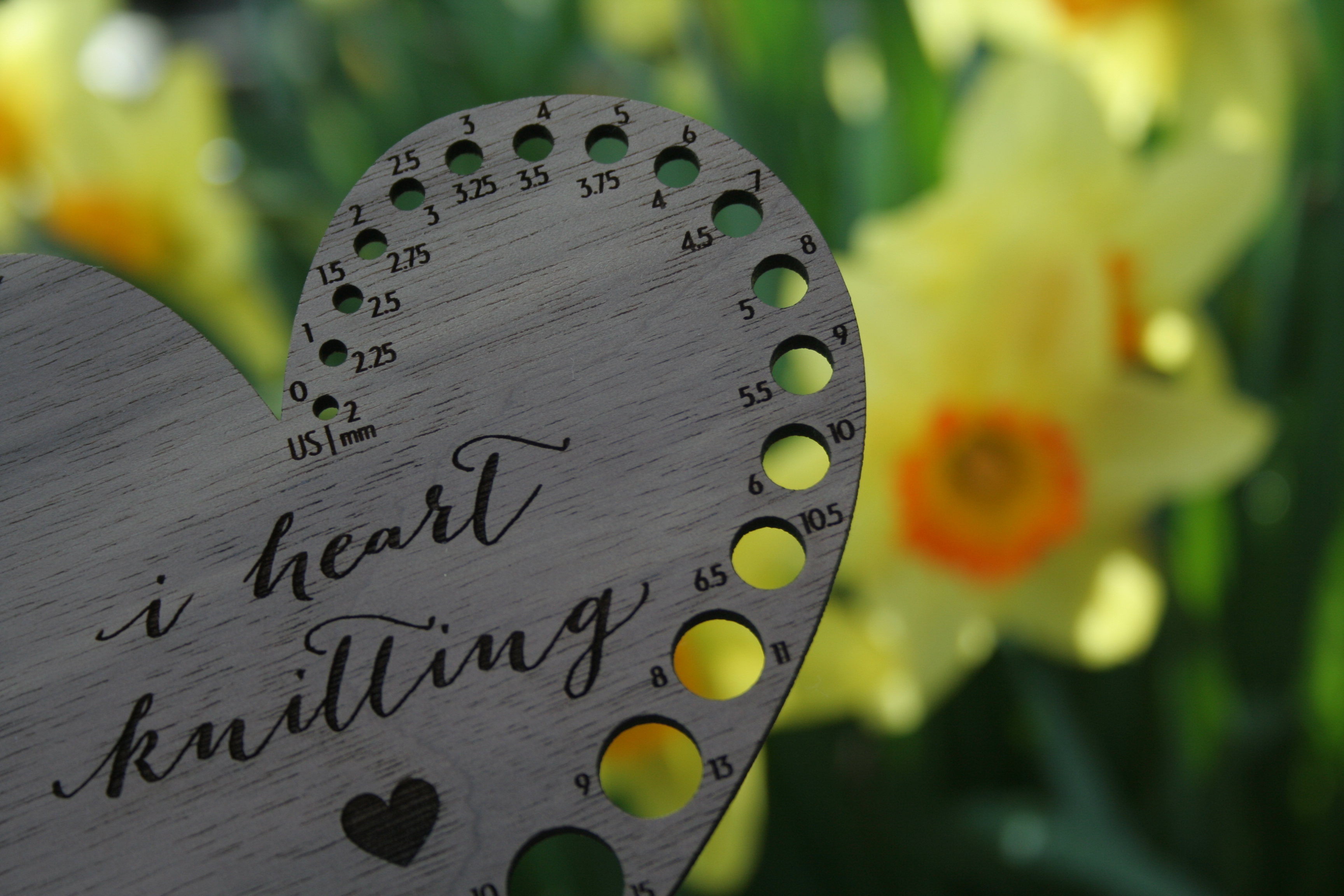
Holly DeGroot from Bijou Lovely recently designed some adorable heart-shaped, engraved wood knitting and stitching tools, and my mother-in-law bought the knitting gauge for me for my birthday. (Thanks, Johanna!) Anyone who knows me knows that I spot hearts everywhere, and I knew that I just had to have a heart to help me sort out the knitting needles at the bottom of my knitting basket.

IMG_0997Now all I need to do is choose a quick summer project or two. I’m not sure I’d wear knitwear during the hot summer months, but a few projects on Ravelry caught my eye.

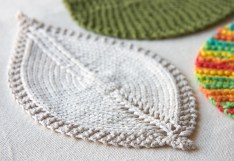
leafycloth5_medium2Maybe some Leafy Washcloths by Megan Goodacre? I’m not sure I’d be able to let them out and about in my house, though, since my kids would surely turn them brown with mud in no time. They are super adorable, though!

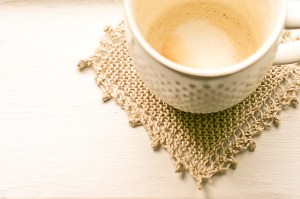
cozy_coaster-0225-2_medium2Or maybe some Cozy Linen Coasters by Anne B. Weil. I think I’m leaning toward these, since I know we will definitely use them. In fact, perhaps I’ll knit up both the leaves and the cozy coasters and use the leaves as coasters, too.

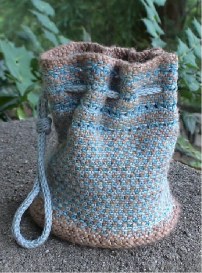
Linen_Stitch_Bag_medium2I also might try the Little Linen Stitch Bag by Cindy Walker. Thus far, I’ve mostly knit hats, cowls, and baby sweaters, so I’m eager to try something new.

Do you knit during the summer months? What’s your go-to hot weather knit?


I grab a needle and thread once the kids are in bed